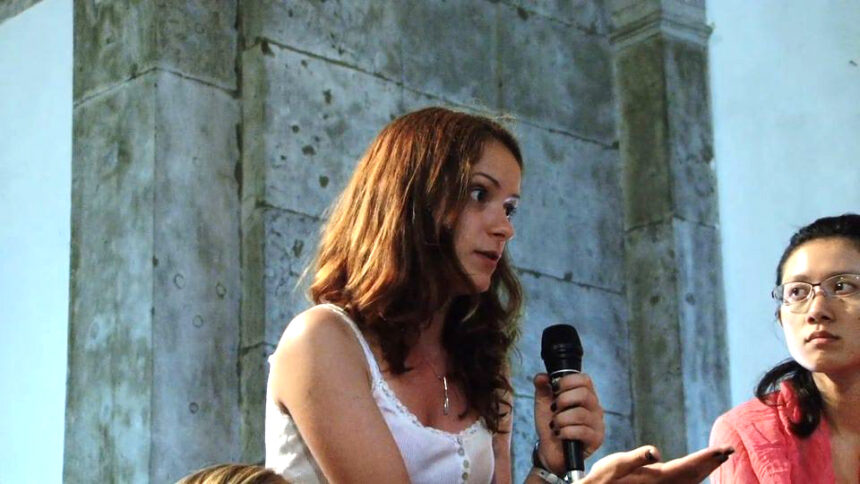
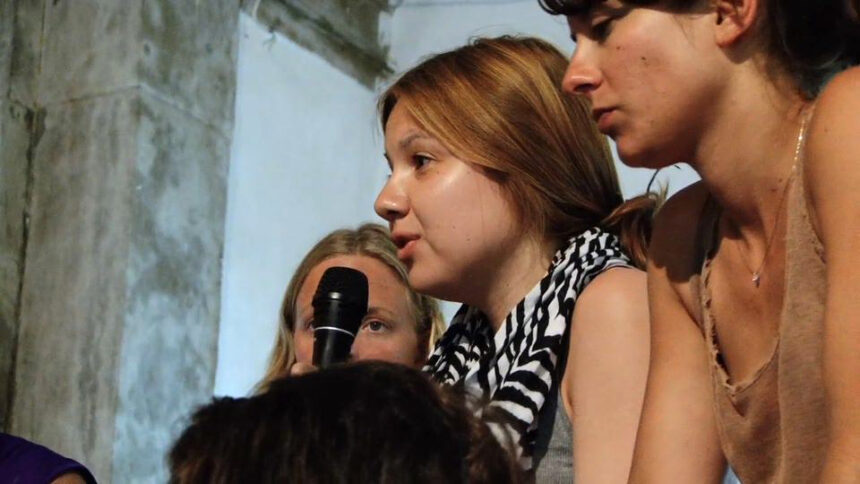
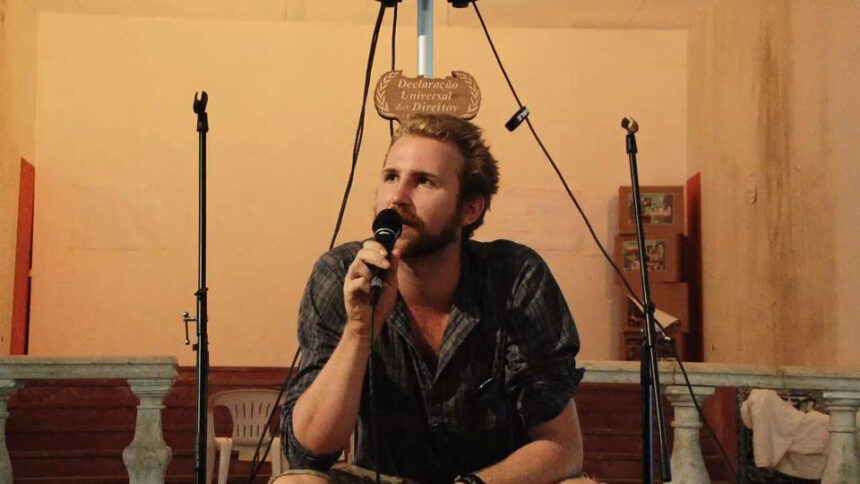
The session opened with an apparent contradiction. “Handmade” suggests direct making, hands, small scale and personal involvement. “Urbanism” suggests planning, infrastructure, large systems and professional management. How can a city be handmade?
Participants discussed informal urban processes such as favelas, slums and unfinished buildings occupied and completed by people according to their own needs. These examples show that when formal planning is too slow or inaccessible, people make the city themselves.
The debate did not romanticise informality. Participants recognised the need for water, electricity, sewage, safety and structural responsibility. Providing these services may look top-down, but it can also be understood as a humanitarian and infrastructural obligation.
A key proposal was to make construction processes more open. If people can participate, learn and reproduce techniques elsewhere, construction becomes pedagogical. The city is then not only built for people, but also with shared knowledge.
The session also considered the role of architects and urbanists. They may not need to control everything, but they do need to create the “invisible platform” that allows people to finish, adapt and use space safely. Handmade urbanism is not the absence of planning. It is a different relationship between choice, knowledge, participation and urban form.
Key ideas
Situation: Urban needs change faster than traditional planning can respond.
Tension: Self-made urbanism offers agency, but raises questions of safety, services and public responsibility.
Learning: Architects can create platforms for participation, learning and safe adaptation rather than controlling every outcome.
Return: Open construction processes, recognise distributed knowledge and provide basic infrastructures to self-made urban areas.
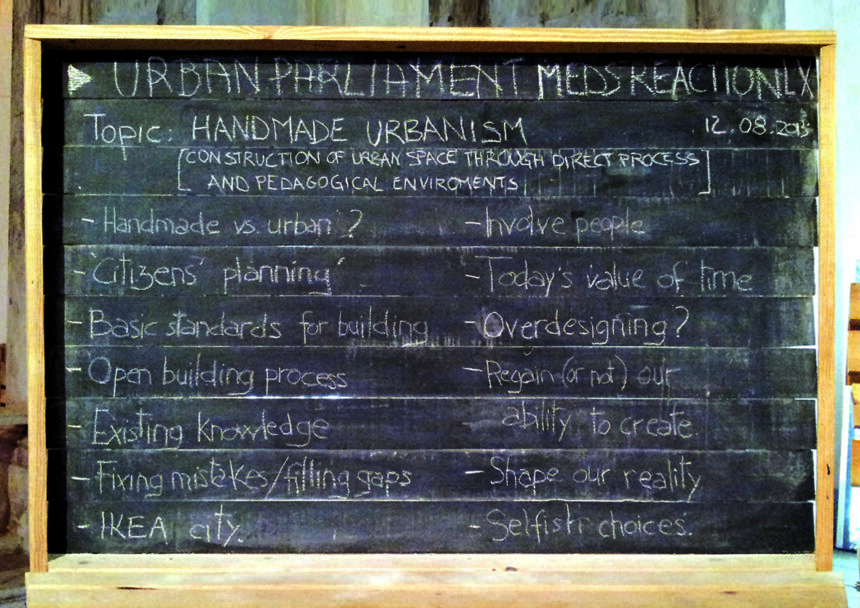
Urban beings and roles
Informal residents: build and adapt space when formal systems fail them.
Architects and urbanists: can provide platforms, services and safety without erasing agency.
Municipalities: carry responsibility for risk, infrastructure and public welfare.
Construction knowledge: circulates through communities, materials and shared techniques.
Global markets: shape choices, from self-building to standardised furniture and design.
Rights to introduce
Right to participate in the making of one’s environment. People should be able to shape spaces that concern them.
Right to open construction knowledge. Techniques and processes can be shared, learned and improved.
Right to basic services in self-made urban areas. Water, electricity and sanitation are not optional.
Right to safe adaptation. Community agency should be supported with structural and public safeguards.
Rights or situations to eradicate
Eradicate the romanticisation of unsafe informality. Agency should not mean living without services or protection.
Eradicate planning that is too slow for real needs. Urban systems must respond to changing populations.
Eradicate empty “free space” without support. Freedom needs platforms, not abandonment.
Eradicate the monopoly of a few designers over everyday life. People still shape their realities in different ways.
Rights to protect
Protect the power to shape one’s own environment. Choice is part of urban life.
Protect local and global construction knowledge. Bamboo, self-building, repair and adaptation all carry intelligence.
Protect public responsibility for safety. Participation must not remove institutional duties.
Protect plurality of urban choices. Some people want to build, others want to buy, others want to participate partially.
Voices from the Parliaments
Voice of the self-made city. A voice that recognises how people occupy, complete and adapt unfinished structures.
Voice of the responsible municipality. A voice concerned with fire, collapse, risk and public duty.
Voice of the invisible platform. A voice arguing that architects should create conditions for others to safely complete and transform space.