Commons sense: the session redefines common sense as a sense of community, asking how urban life can rebuild local relations in increasingly global cities.
“Commons” Sense [MEDS_Reaction S.5]
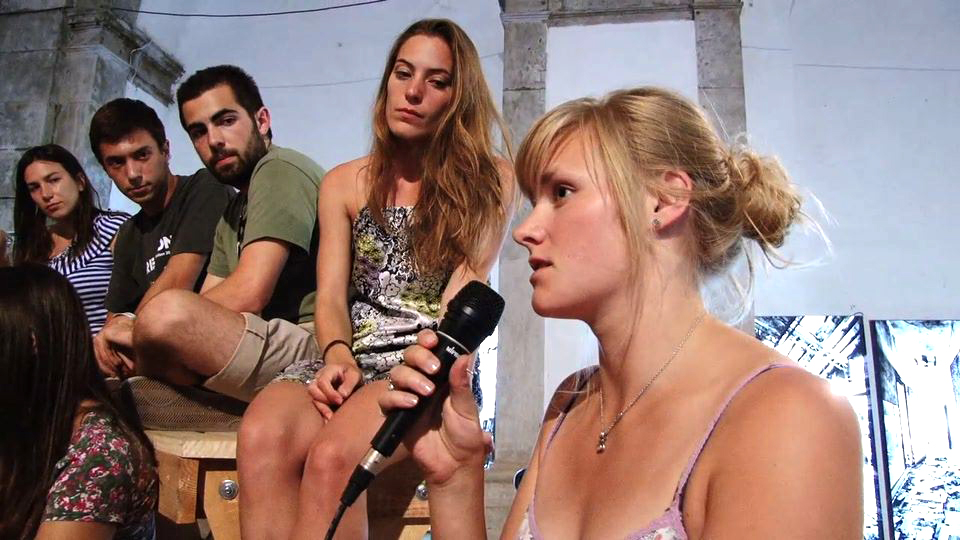
Commons sense: the session redefines common sense as a sense of community, asking how urban life can rebuild local relations in increasingly global cities.
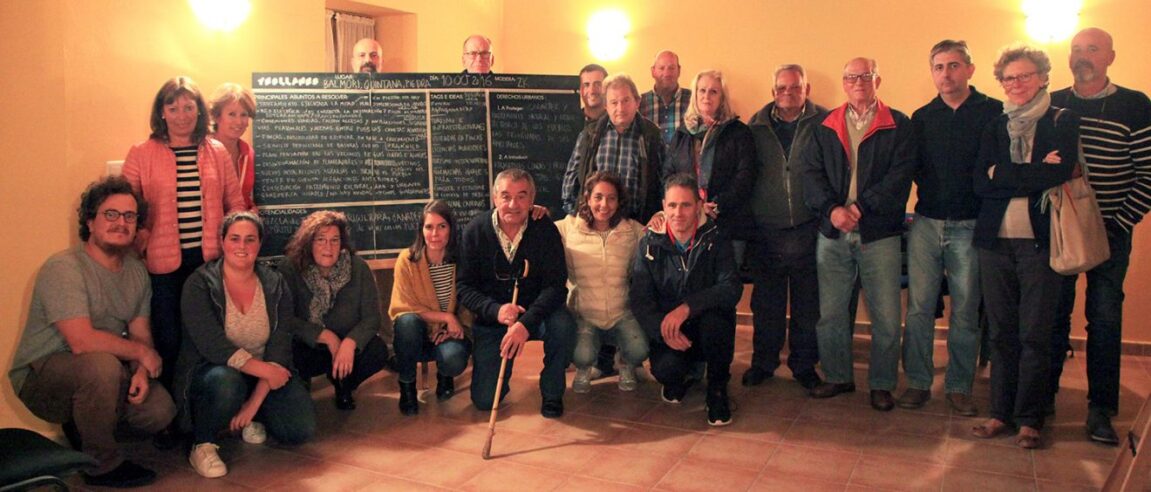
Residentes habituales, reglas iguales y vivienda joven: Quintana, Balmori y Piedra reclaman una planificación que empiece por quienes viven allí.
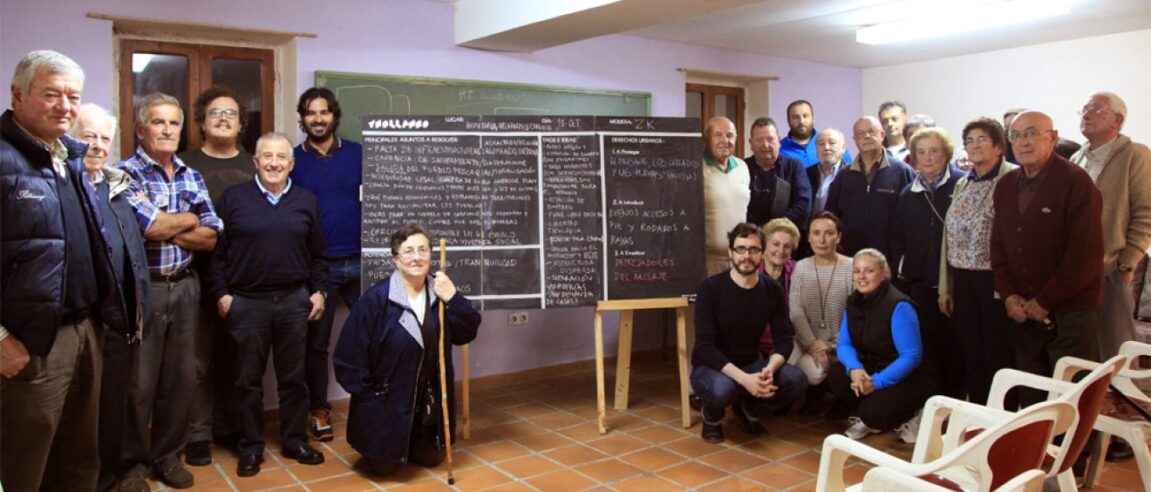
Typologies, evolution and development: Hontoria, Villahormes and Cardoso debate whether to revive the previous model or imagine another future for their villages.
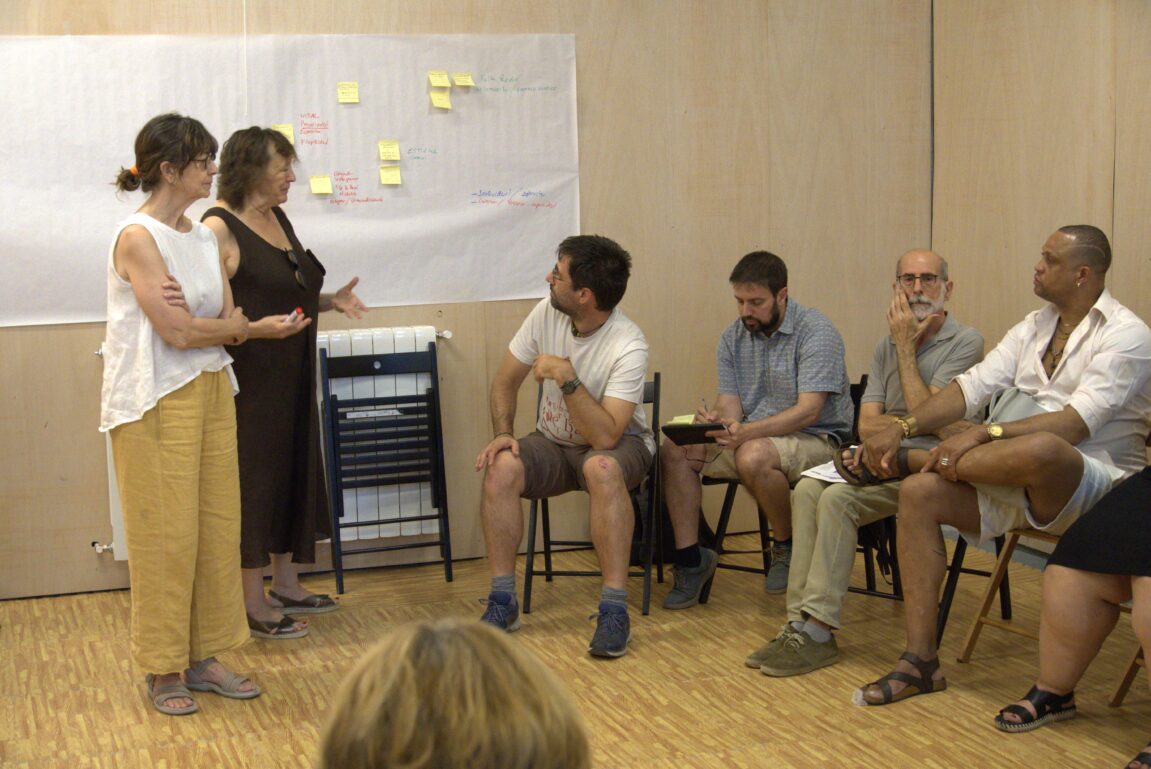
A thematic working session in Madrid explored how concepts such as vulnerability, poverty and care influence climate adaptation policies, opening a collective reflection on how to understand inequalities before designing interventions.
What do we residents know about our city? Which plots belong to the public sector and who are the decision takers? How is the allocation of public land handled and on what terms? How are potential profits, quality of planned utilization, concepts and public good weighed in the decision process? How can information on public
What if the whole city would be “common”? How would the public space be designed and used when the common good is a priority – and by whom? Are welfare and commercial exploitation compatible interests? What are the opportunities and where the obstacles in organizing communal use? What public resources should be provided? How could
Proposals for the agenda: Include new agents in the process of decision making (architects as a bridge between citizens and local power). There is a certain urgency in building mechanisms of communication amongst the different profiles of inhabitants of the public space. Strategies have to be taught in order to generate proximity between the decision-makers
Formal approval of the UR_KIT first version release – Hosted by Zuloark, 25 February 2021
The UR_EU Bologna parliamentary session seeks to open up a space for debate, comments, and open learning about best practices to develop territory through cultural initiatives, social inclusion, and sports in order to contribute to feeding a fundamental ecosystem for the survival of fragile suburban realities.
The Ariège Urban Parliament wants to be a process to share thoughts, problems, experiences facing a global pandemic in Ariège. How has a rural territory such as Couserans county and its inhabitants lived in confinement? How did the inhabitants of Couserans, in Ariège, a rural and mountainous territory, experience the COVID-19 confinement? Did they adapt to the sanitary measures? And how did they do so? What are the response capacities of a small territory to a global pandemic? “Confiné.e en Couserans” is a series of conversations that offers a wide range of testimonials on the experience of confinement in rural areas. You will meet a school teacher, a retired artist, a pediatrician, a CNRS researcher, a high school student, a college student, a couple in search of autonomy, a librarian and a designer on a Civic Service mission in a rural fablab.
The ambassadors Tirilab (@tiri_lab) hosted a parliamentary session on 18 December from 16:00 to 18:00(GMT+1) inquiring about the diverse knowledge of livelihood practices and contribute to collaborative, open-ended socio-political imaginaries for the region.
How to set up comfortable digital spaces to communicate during the development of a multi-territorial project? How to conceive these spaces to allow everyone in the project to take part in the decisions and to avoid the tyranny of structurelessness? At the same time, how to register and document the activity in every territory in an efficient and non-time-consuming way?
‘What is our actual right to the city?’ This ‘right to change ourselves by changing the city’ (Harvey, 2008) aims to “rescue the citizen as the main element and protagonist of the city that he himself had built” and to transform urban space into “a meeting point for building collective life” (Lefebvre, 1968). To build a city for the many, not the few.
From the coining of the right in Henri Lefebvre’s influential ‘Le droit à la ville’ (1968) to the protest signs of urban movements around the world and its adoption into the United Nations New Urban Agenda (2016) – the concept has inspired public, private and civic actors in rethinking and reacting upon increasingly unequal urbanities.
“But what legal rights are there that support our actual right to the city? We invite two legal experts to explain the role of the law in claiming the right to the city.”
The use of the plural pronoun is a common phenomenon within critical urban practices, initiatives and political groups and suggests a solid cohesion of groups and networks. At the same time, if we look behind the scenes of such practices we find ourselves in underwhelmingly conservative and non-transparent structures, ambivalent power relations, (over-)working in precarious conditions, disconnected from the representation and recognition of the results of “our” work.
UR_EU Opening Plenary Session, 1 October 2020 – Hosted by Zuloark
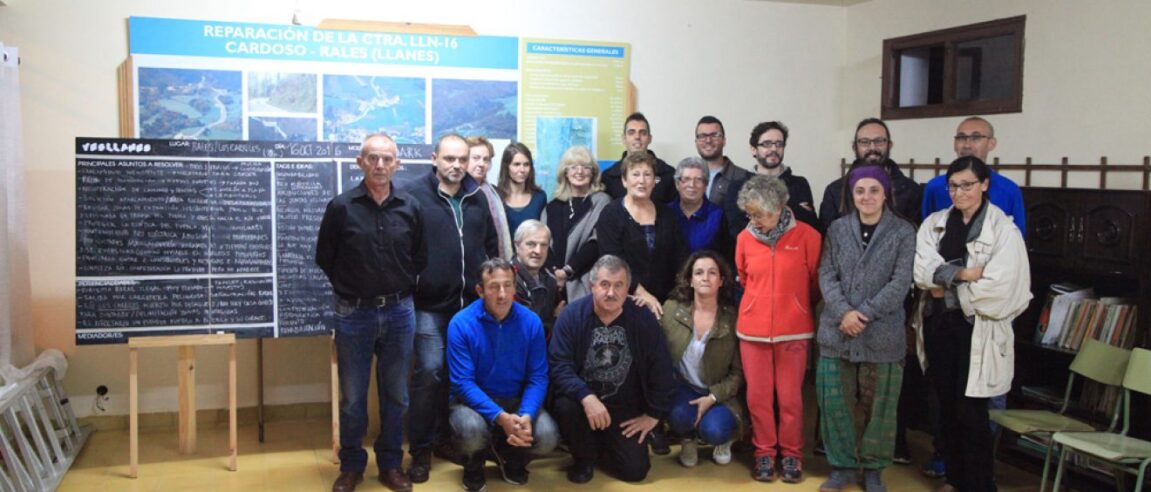
Neighbourhood decision-making, services and shared responsibility: Rales and Los Carriles call for renewed power to care for their villages.
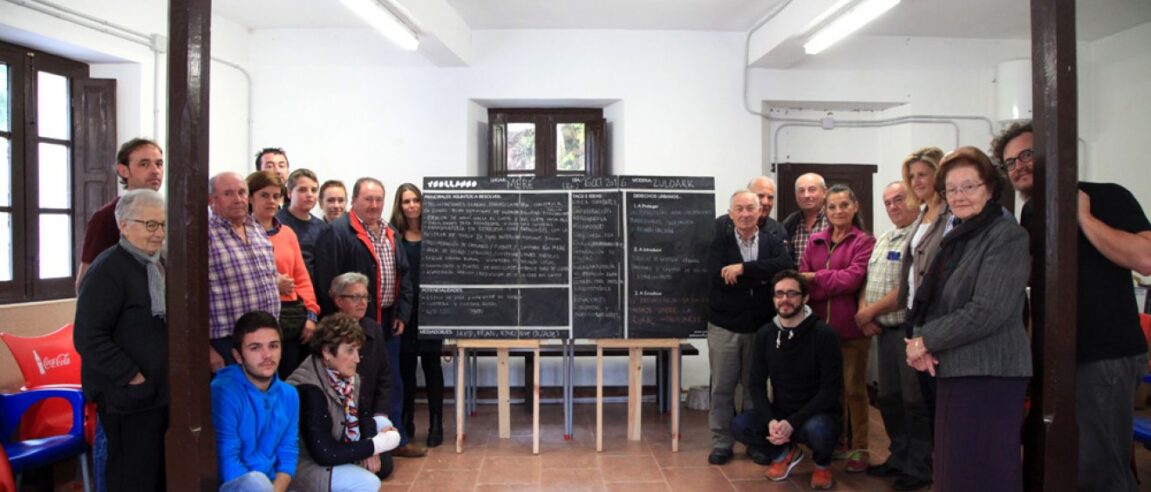
Clear maps, rivers and rurality: Meré asks to remain a village and to plan from real knowledge of the territory.
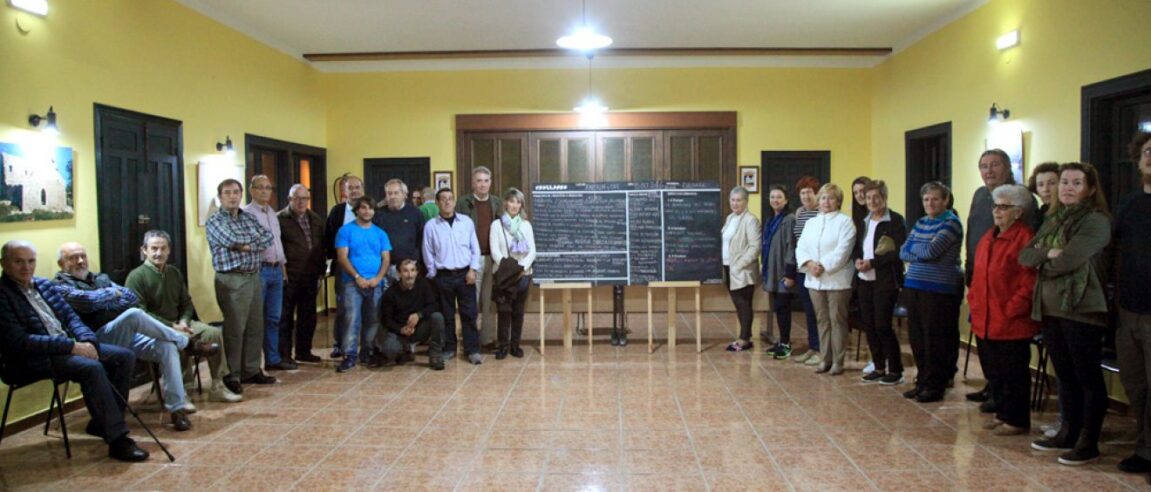
Rural or urban, village or destination: Cué and Andrín ask for clear rules to preserve tranquillity, services and coexistence.
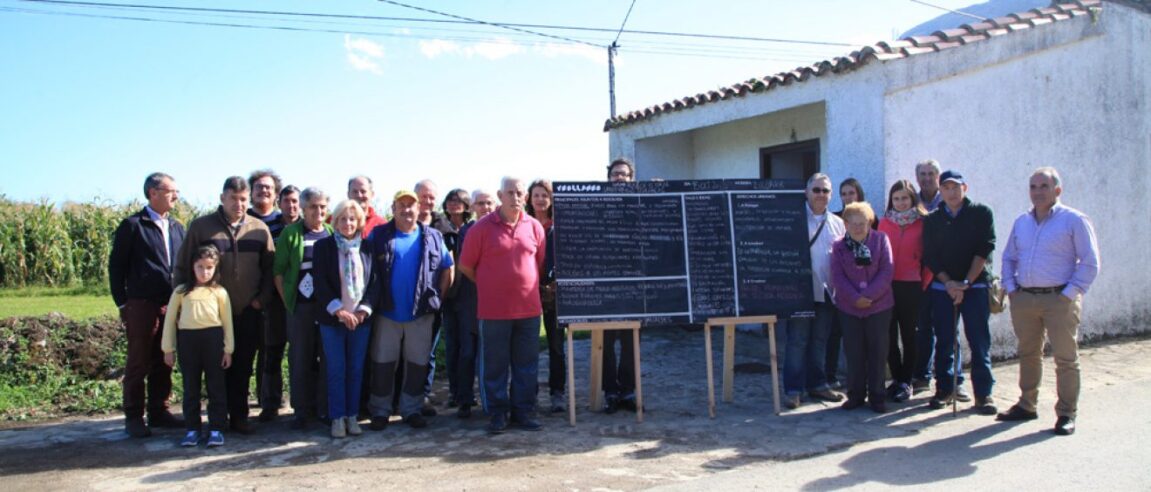
Terrain, farming and young people: Turanzas and Riusecu ask for planning based on the real land and for protection of a rural economy that still works.
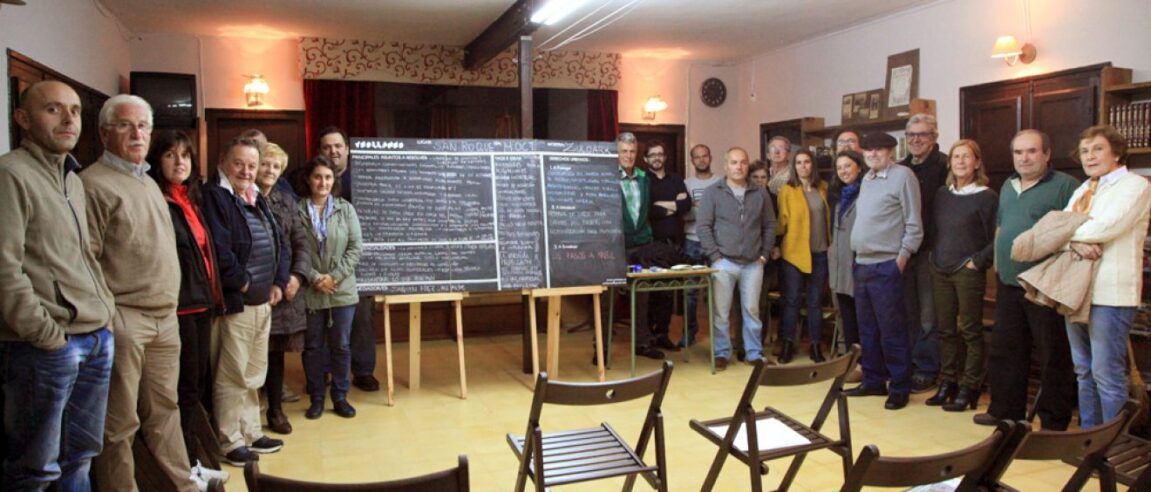
Industry, employment and village character: San Roque seeks growth without damaging the centre or residents’ quality of life.
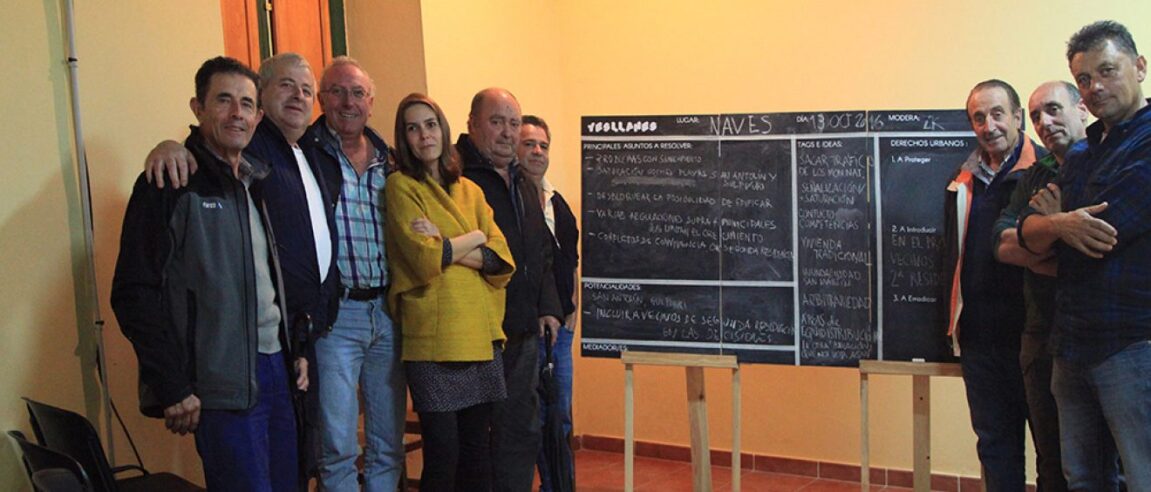
Tourism, traditional housing and seasonal participation: Naves and San Martín ask to unblock planning without reproducing arbitrariness.
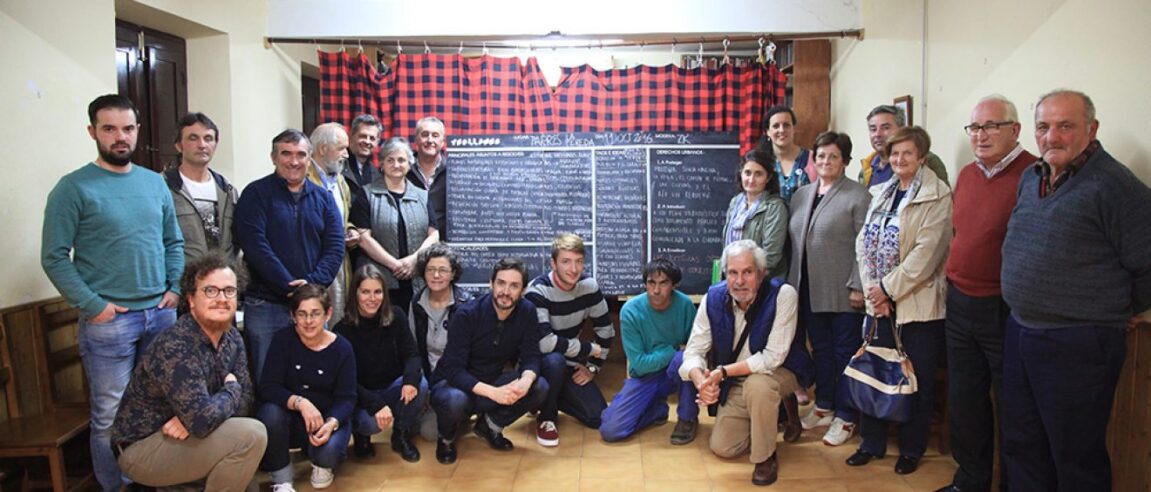
Rehabilitate before building: Parres, La Pereda and Bolao call for respectful, explained growth adjusted to village character.
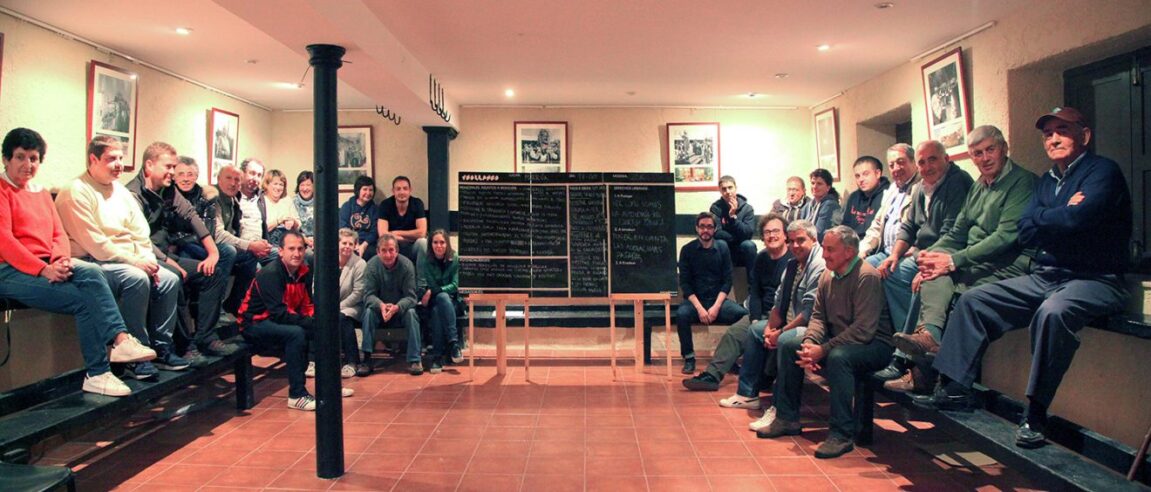
Farming, public councils and permanence: Porrúa asks for its objections to be heard and for living on farming plots to be made possible.
Year-round residents, equal rules and youth housing: Quintana, Balmori and Piedra call for planning that starts from those who live there.
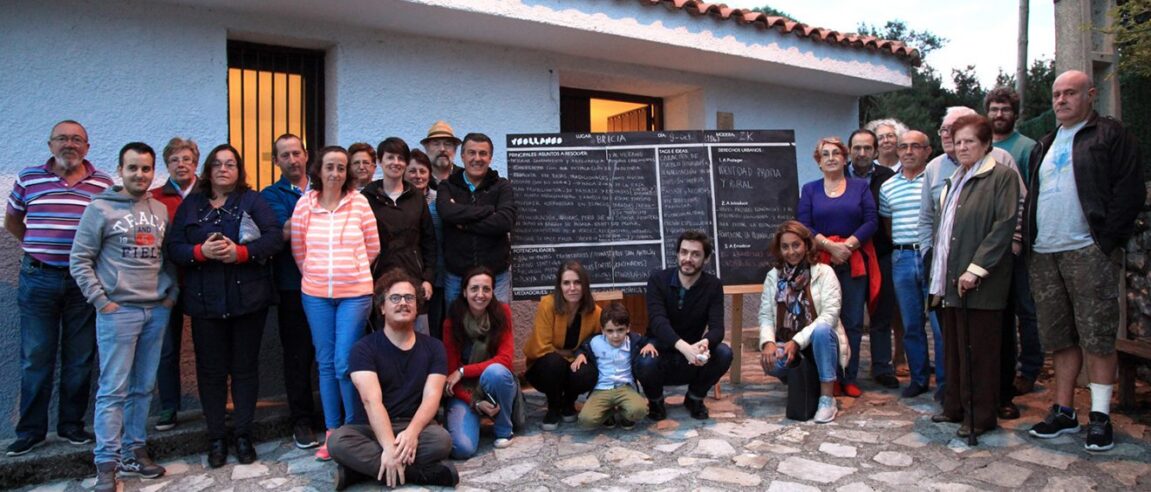
Own identity and clear boundaries: Bricia claims it is not a neighbourhood of Posada and asks for protection from speculative pressure.
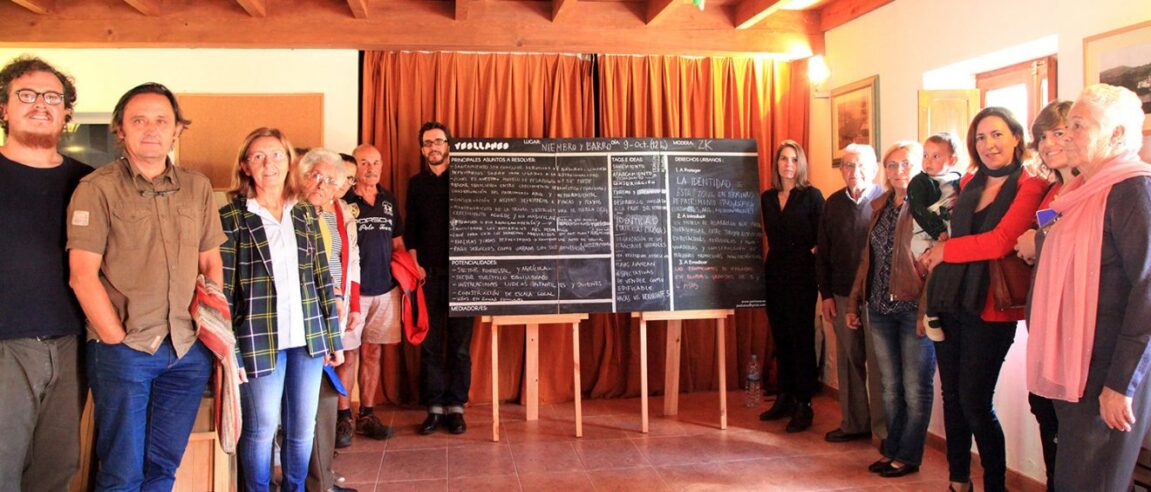
Tourism overcrowding and everyday life: Niembro and Barro call for balance between economy, landscape and residents’ wellbeing.
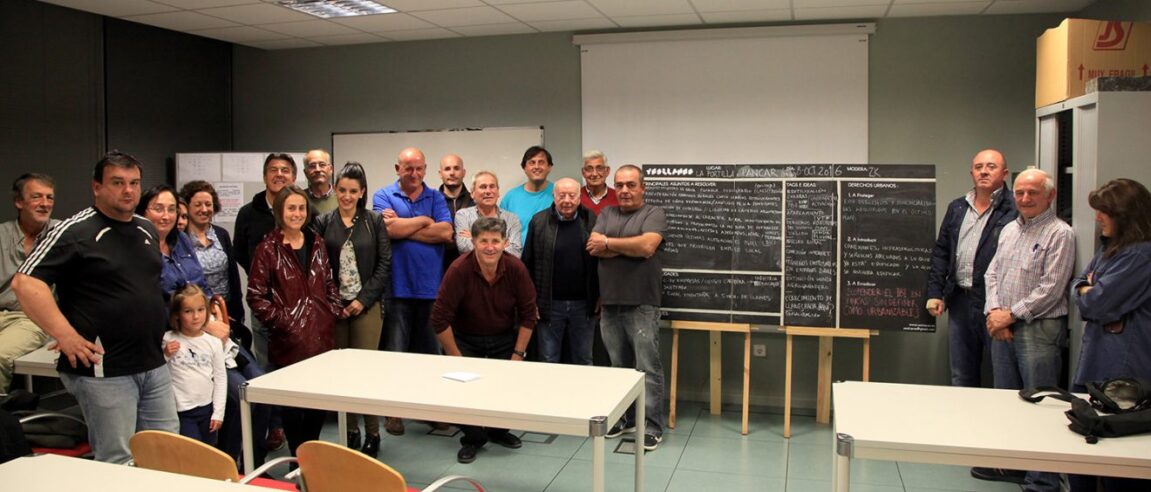
Typology, acquired rights and economic alternatives: La Portilla and Pancar open the debate on how to build Llanes’ future.
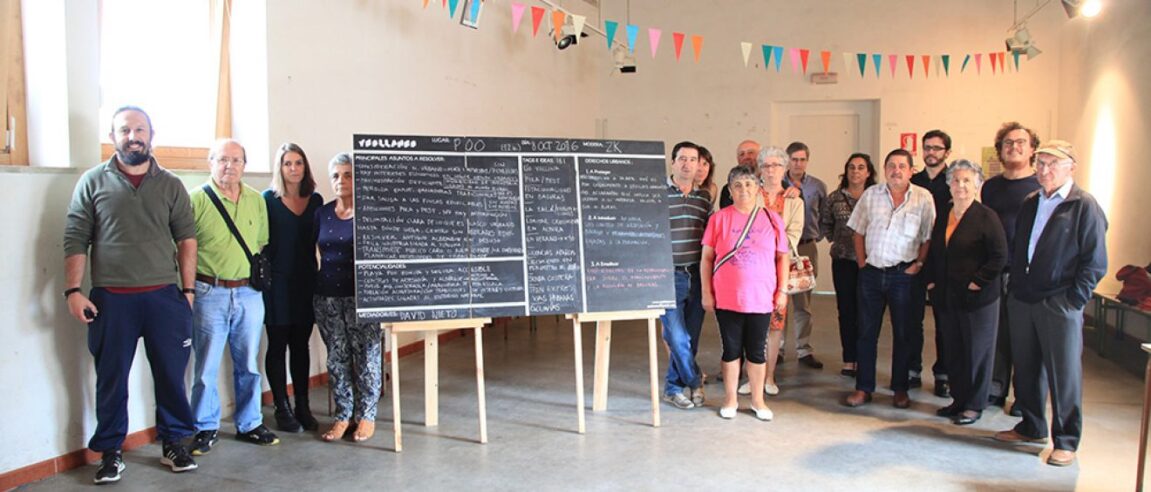
Urban status without urban services: Poo questions its classification and proposes diversifying its economy beyond tourism.
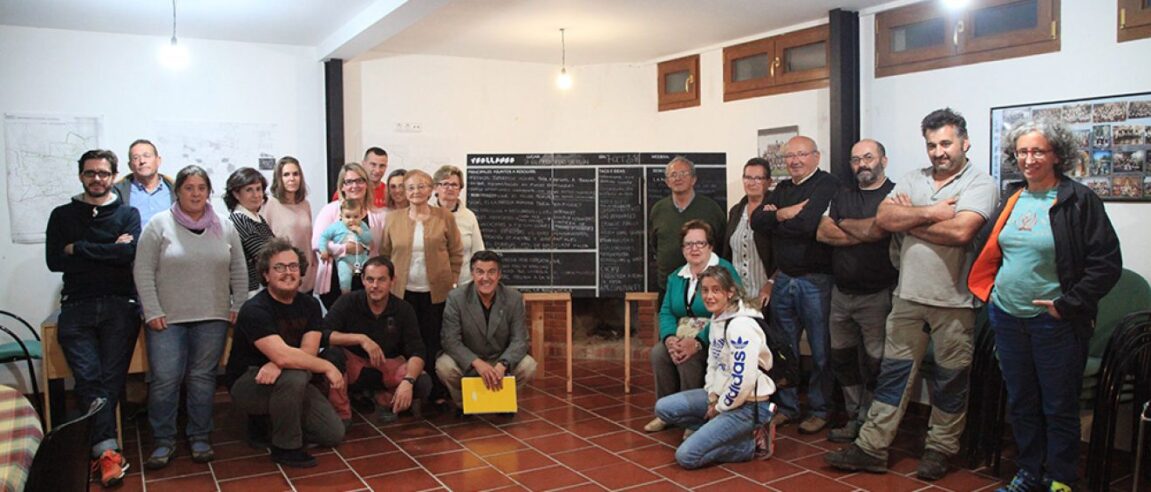
Plots, paths and low density: La Galguera and Soberrón defend a village form that does not want to become a dense development.
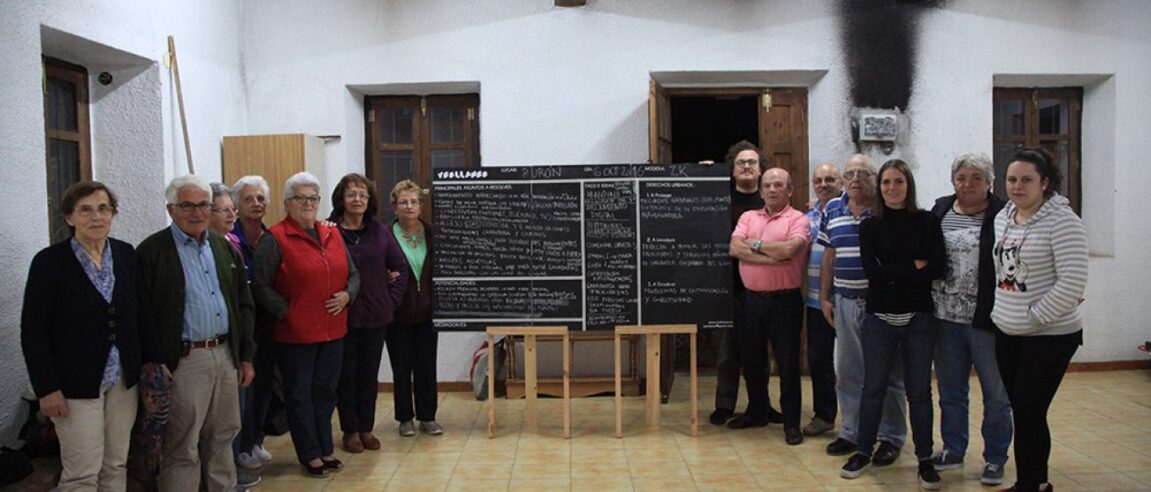
Twenty-first-century services in a mountain village: Purón calls for sanitation, connection and adapted rural rules to fight depopulation.
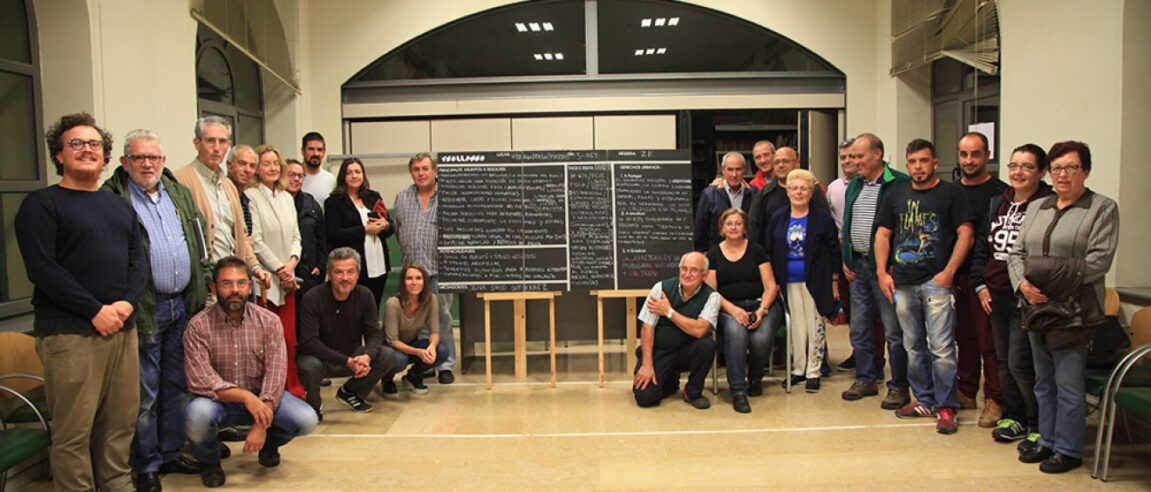
Between FEVE, motorway and coast: Vidiago, Riego and Puertas ask for clarity to grow and improve without being blocked by external infrastructure.
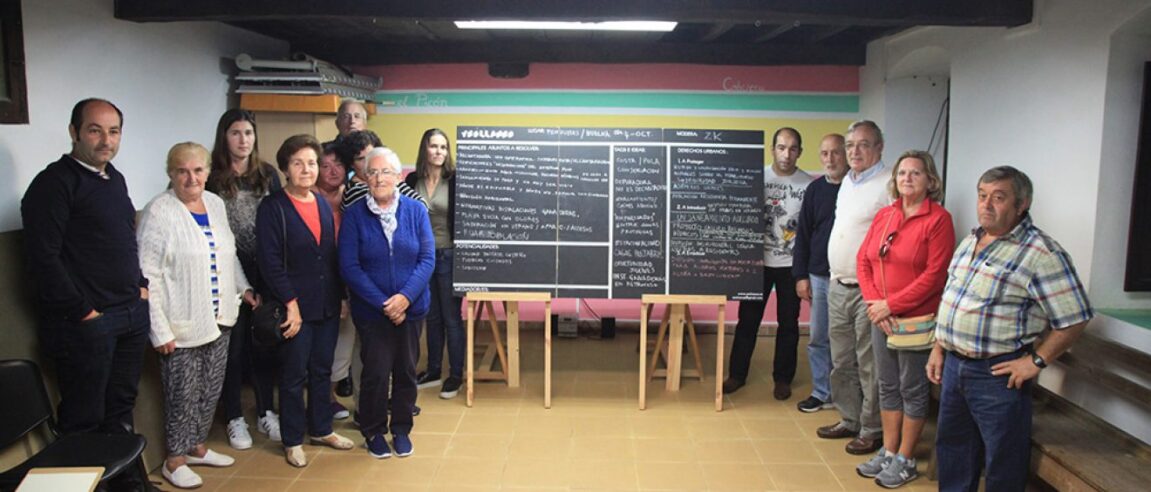
Pending sanitation and uncertain land: Pendueles and Buelna ask for clarity to remain in a territory caught between coast, mountains and motorway.
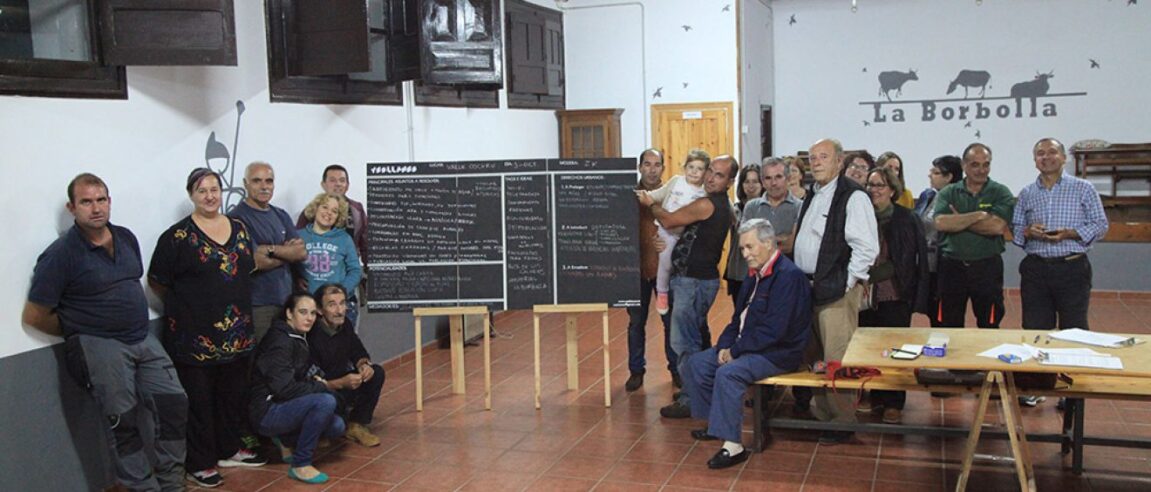
Sanitation, water and connection: Valle Oscuro opens the process by calling for basic services so that living in the valley remains possible.
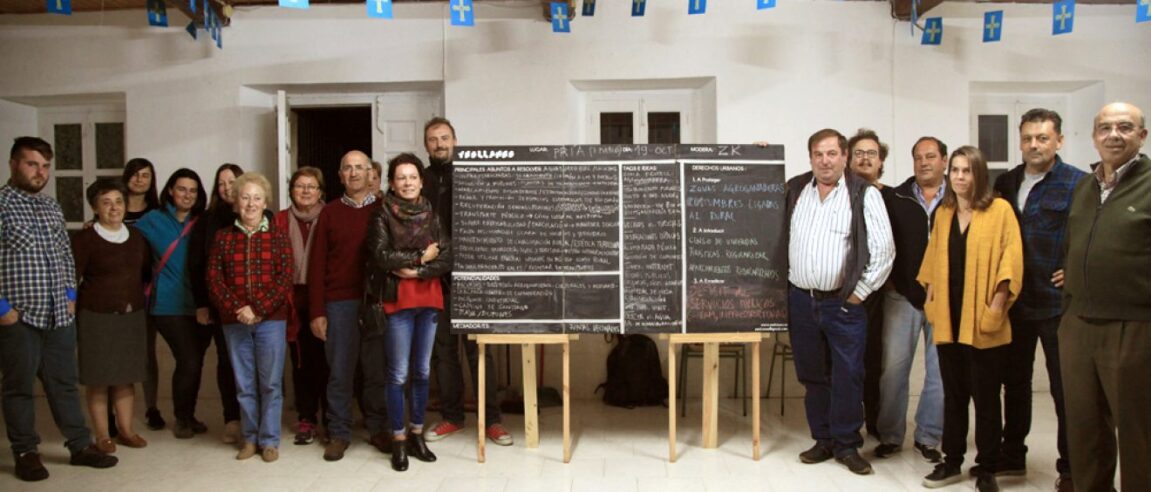
Pría, 19 Oct. 19:00h [Reunión 20/27] [Código: 20-P] Reunión celebrada en Escuelas de Pría. Convocados: Llames, Garaña, Villanueva, La Pesa, Silviella, Piñeres y Belmonte de Pría Asistentes: 21 Estos pueblos se encuentran en una zona de gran atractivo natural y ello comporta una lucha entre el proteccionismo y el beneficio turístico. Falta mejorar servicios de
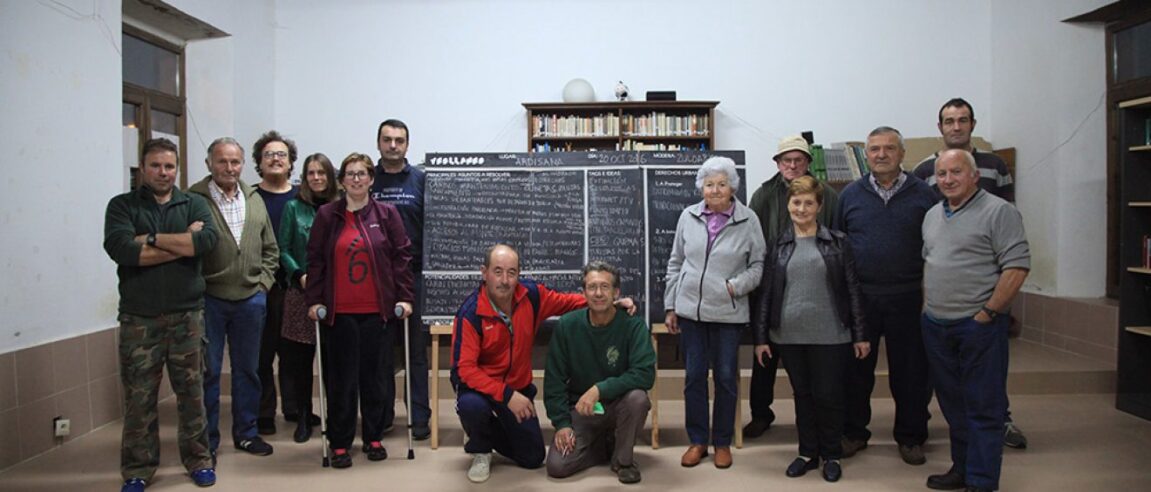
Isolation, services and permanence: Ardisana proposes mobile services to sustain social life in the most remote villages.
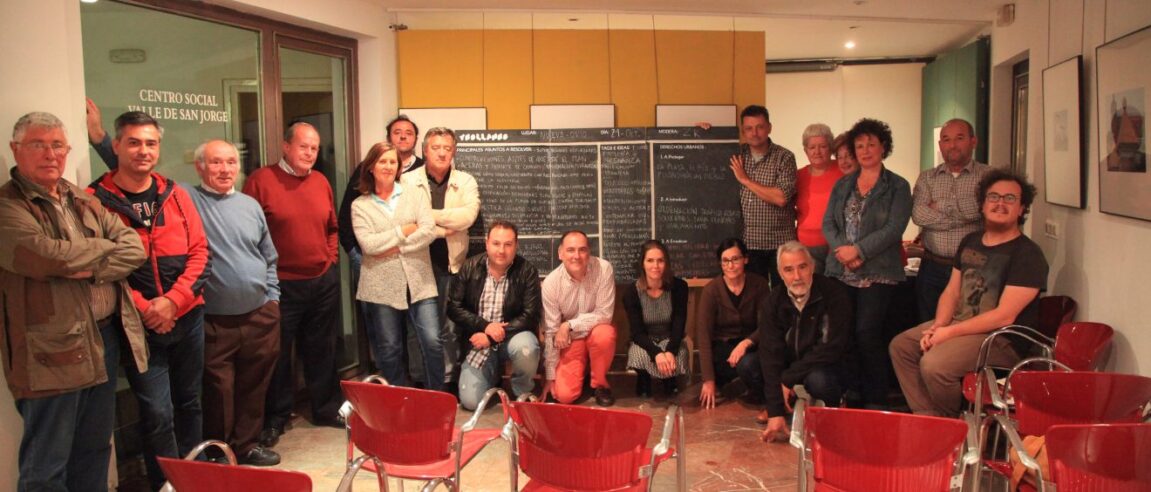
Construction, employment and local identity: Nueva, Ovio and Picones seek to organise growth without breaking the character of the place.
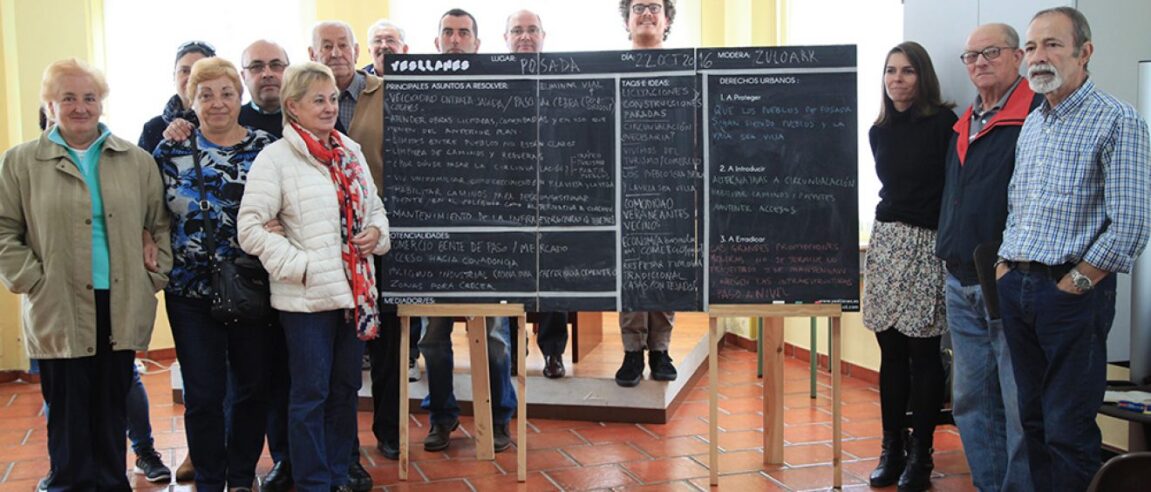
A commercial hub and transit point: Posada calls for stronger infrastructure and unfinished housing to be addressed before further growth.
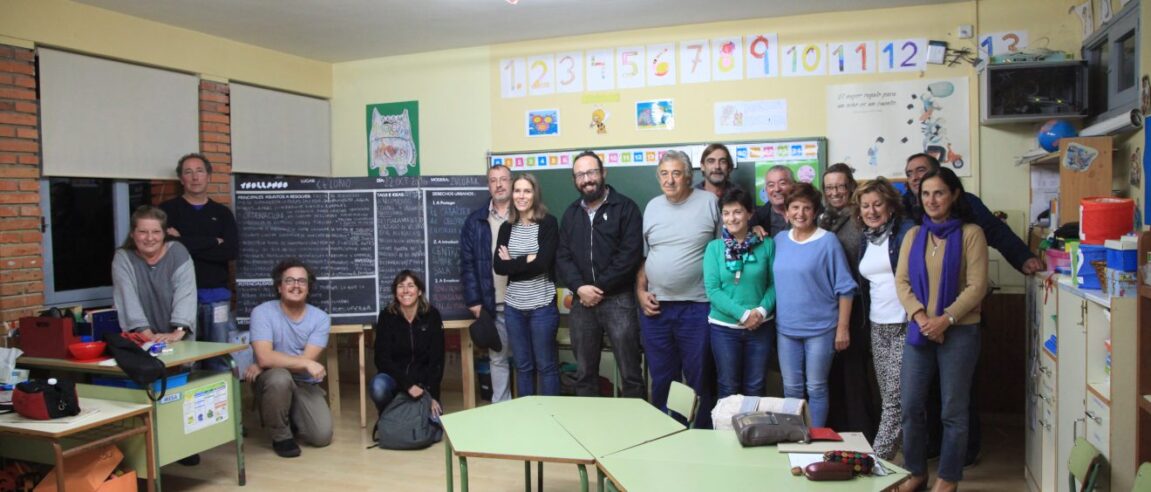
Venue: Casa de Conceyu de CelorioParticipants: 30 The Celorio meeting brought a strong contradiction to the surface: the village was classified as urban in the previous plan and now pays urban property tax, yet it still lacks essential services. The discussion described a territory under construction and tourism pressure before its structural needs have been
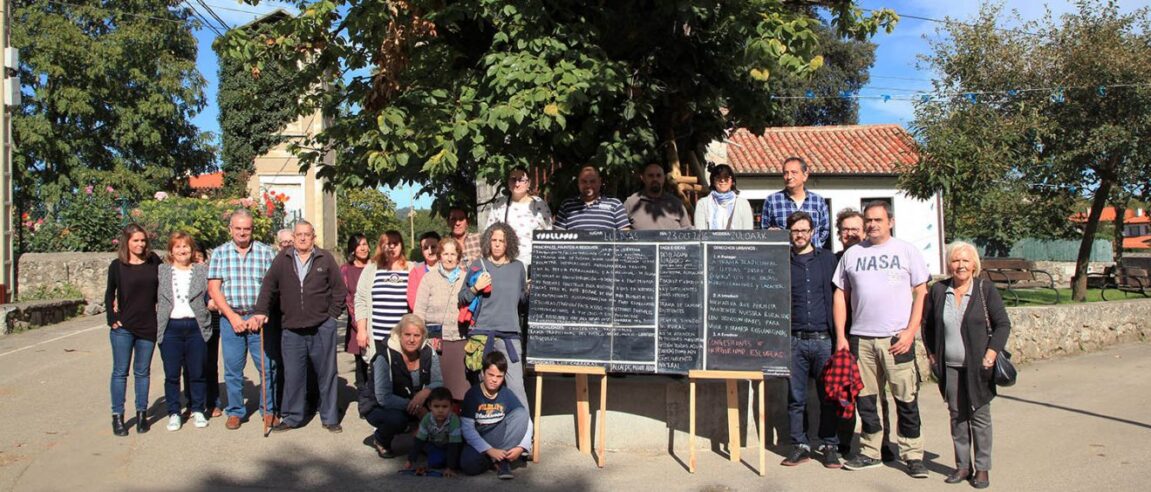
Property, sanitation and the preservation of village structure: Lledías calls for clear answers, protection of its rural fabric and conditions that make it possible to remain.
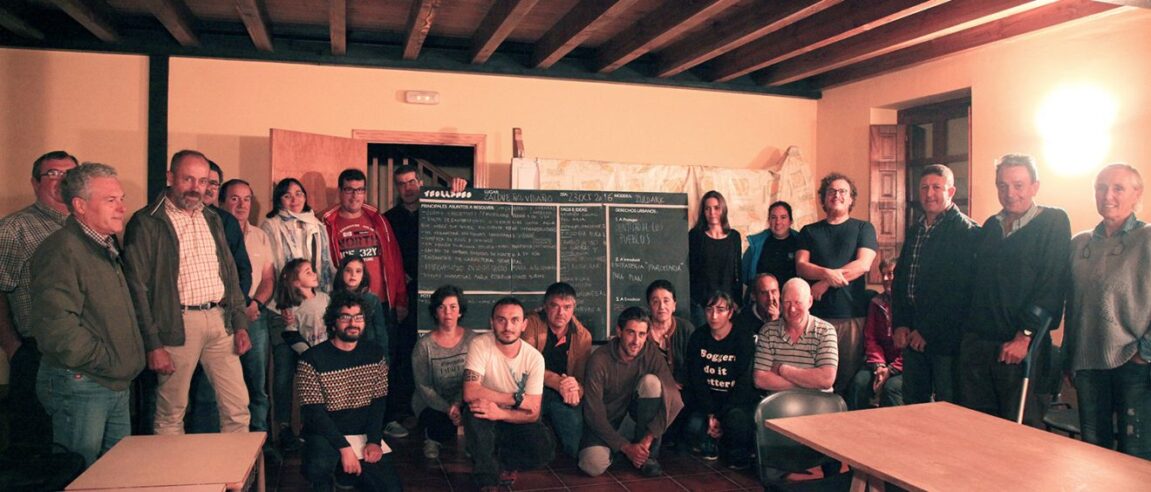
Rehabilitation, rural uses and local economy: Caldueño Valley reflects on how to keep the territory alive through more flexible regulations and diversified activities.
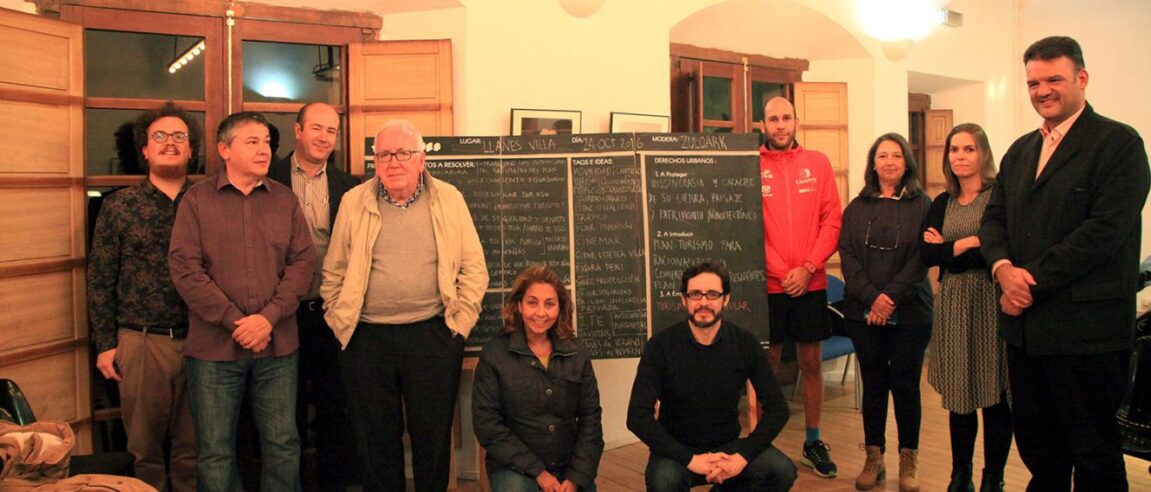
Tourism, traffic and economic diversification: Villa de Llanes reflects on how to balance everyday life with the long-term future of the municipality.
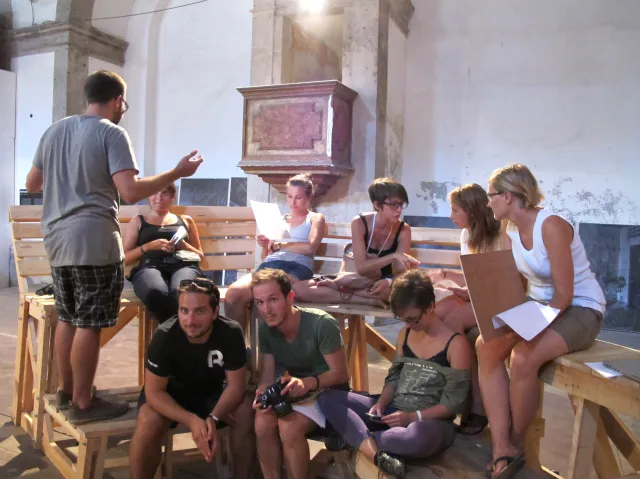
MEDS_Reaction Declaration of Urban Rights: the final session turns the workshop’s debates into a collective list of rights to preserve, introduce and abolish in urban life.
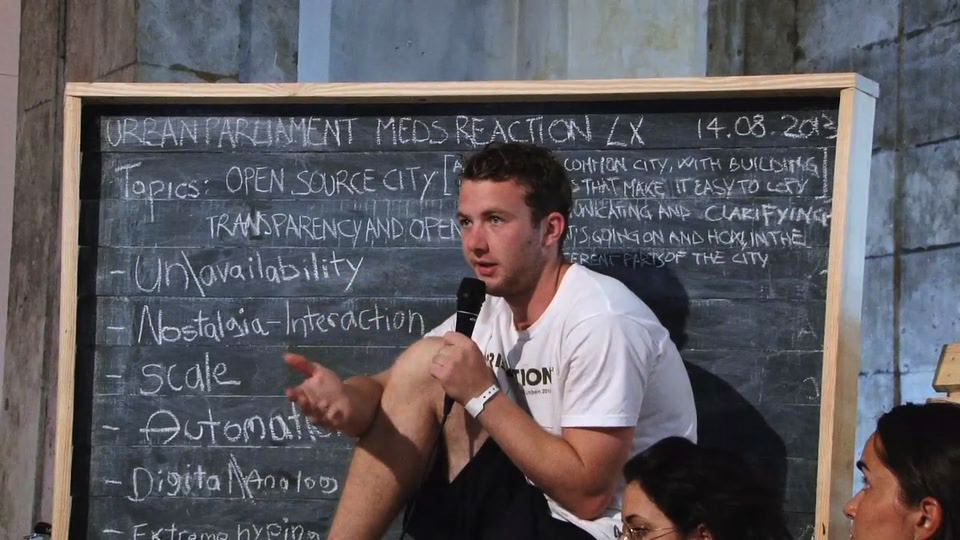
Open source city: the session asks what happens when urban data, designs and decisions become accessible, and why information still needs context, interpretation and local knowledge.
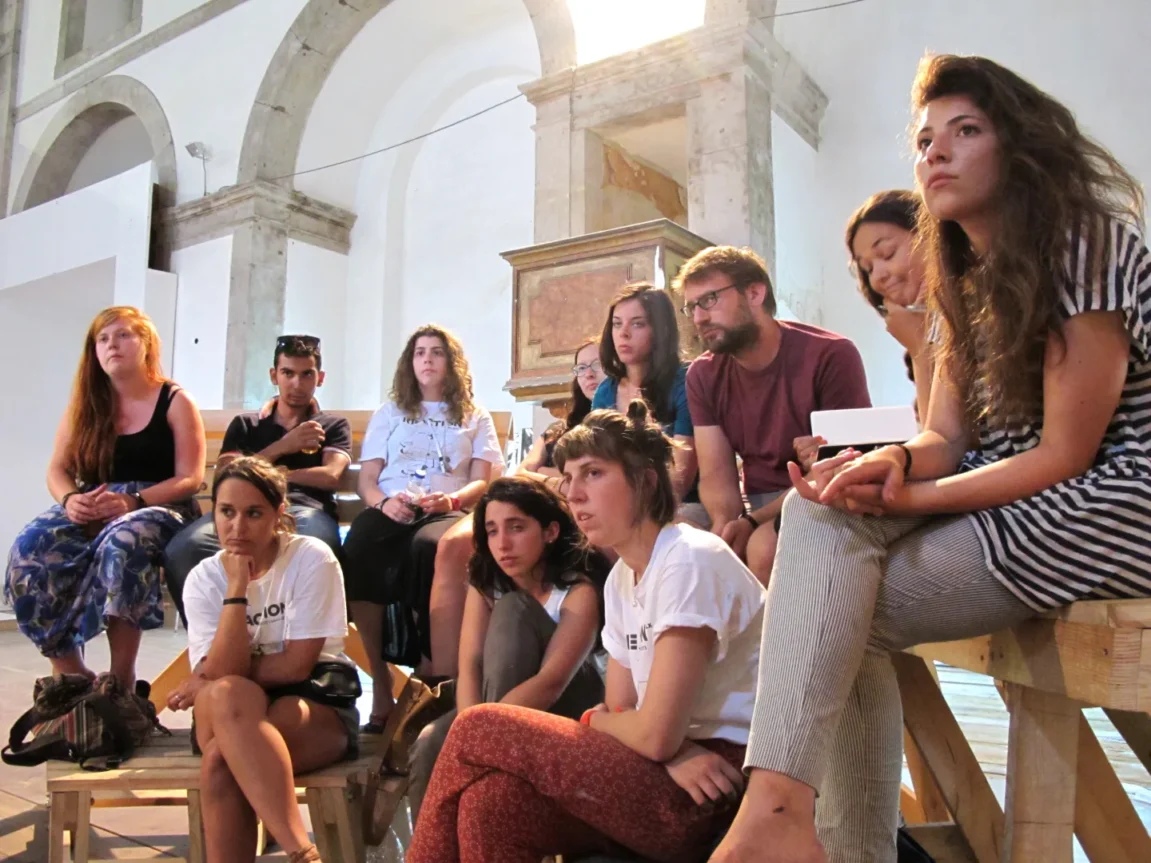
Half-done city: the session asks whether a city can ever be finished, and who gets to decide how unfinished spaces, empty buildings and inherited forms are adapted.
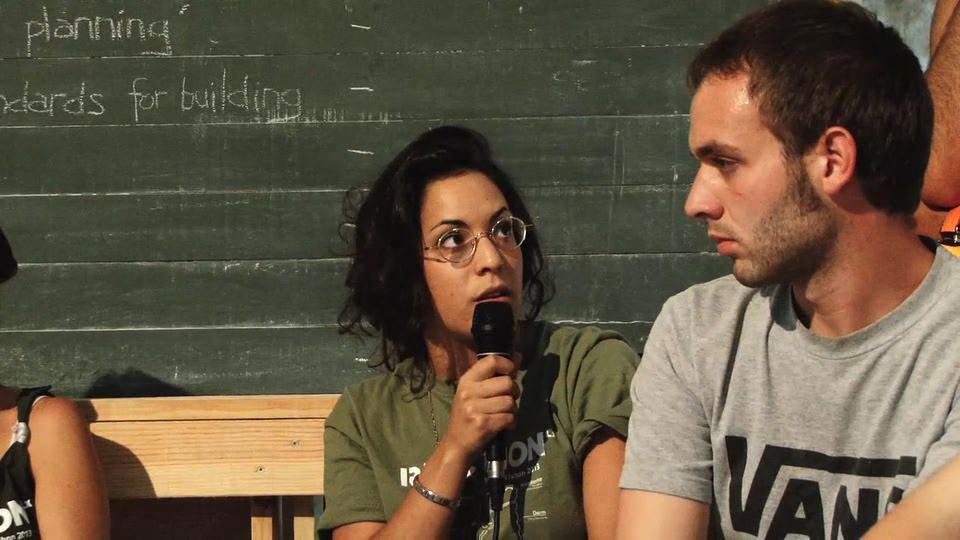
Handmade urbanism: the session asks whether people should build their own city, and what architects must do when self-made urban life needs safety, services and recognition.
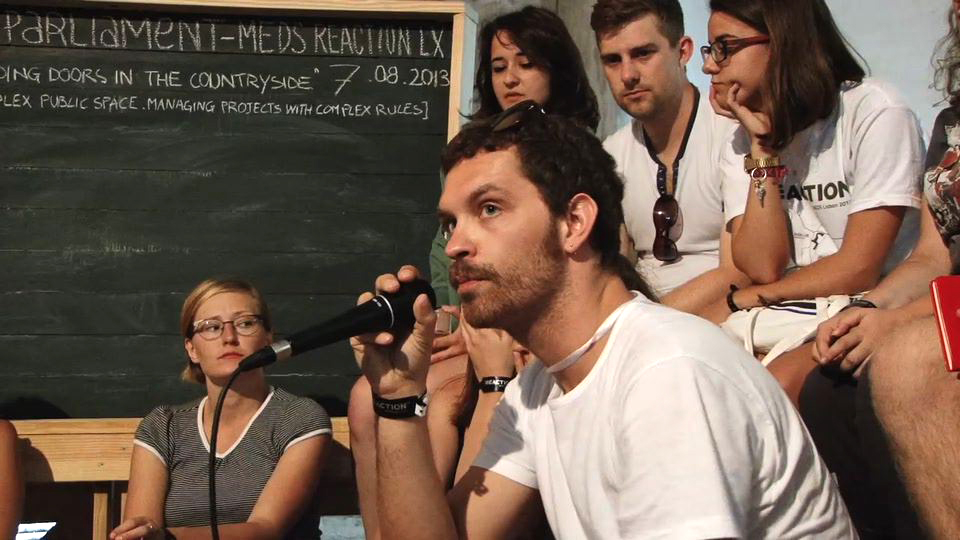
Building doors: the session asks whether design should create objects, open possibilities, or follow the rules that communities make for themselves.
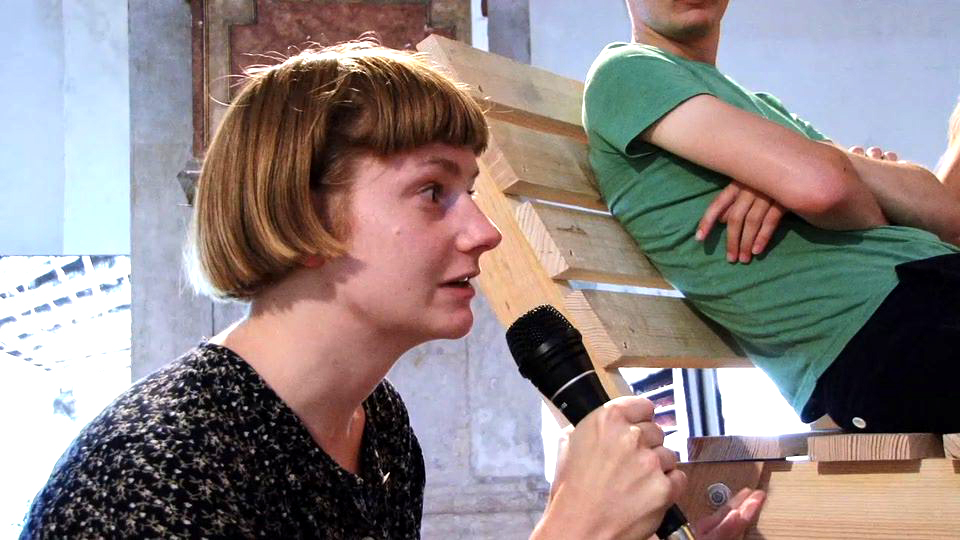
Mind the gap: the session questions who architects should listen to, what questions they should ask, and whether design can serve people without reducing them to clients.
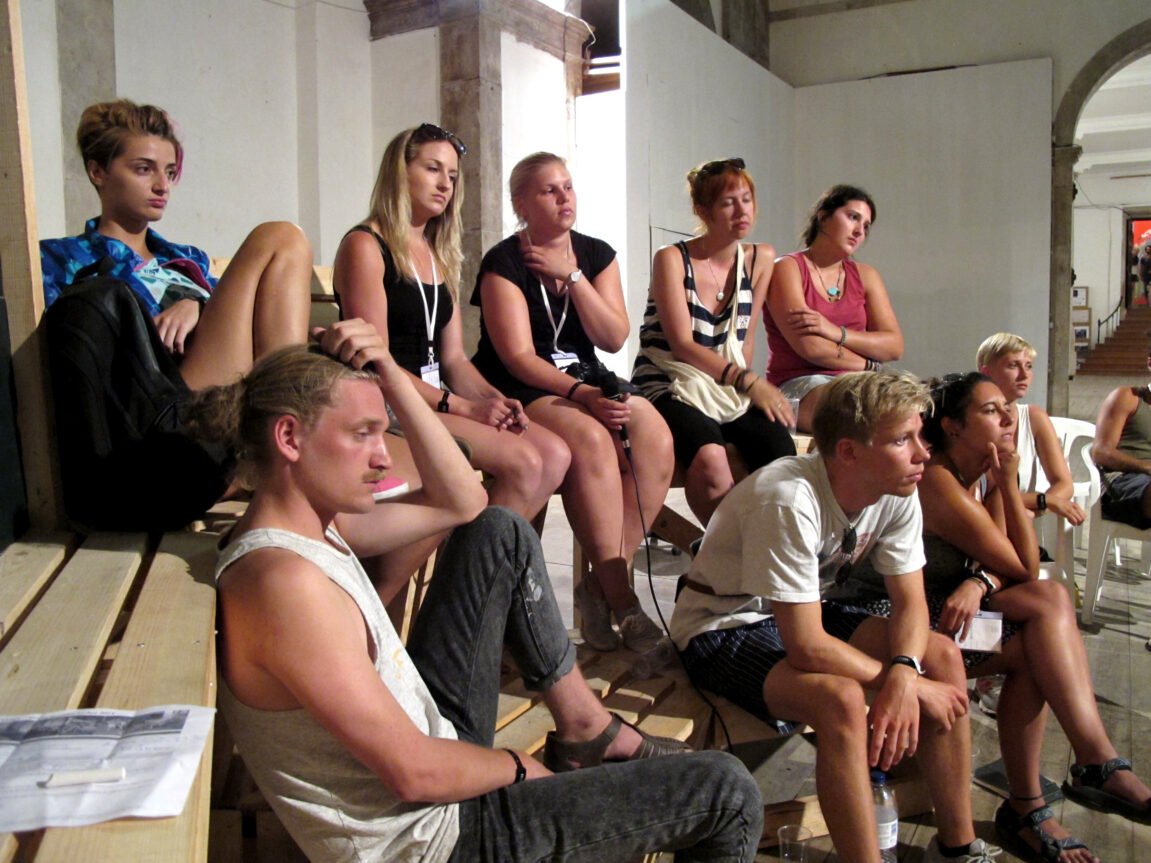
Inhabiting controversy: the session asks how architects, communities and public authorities can negotiate urban conflict without pretending that one solution can serve everyone.
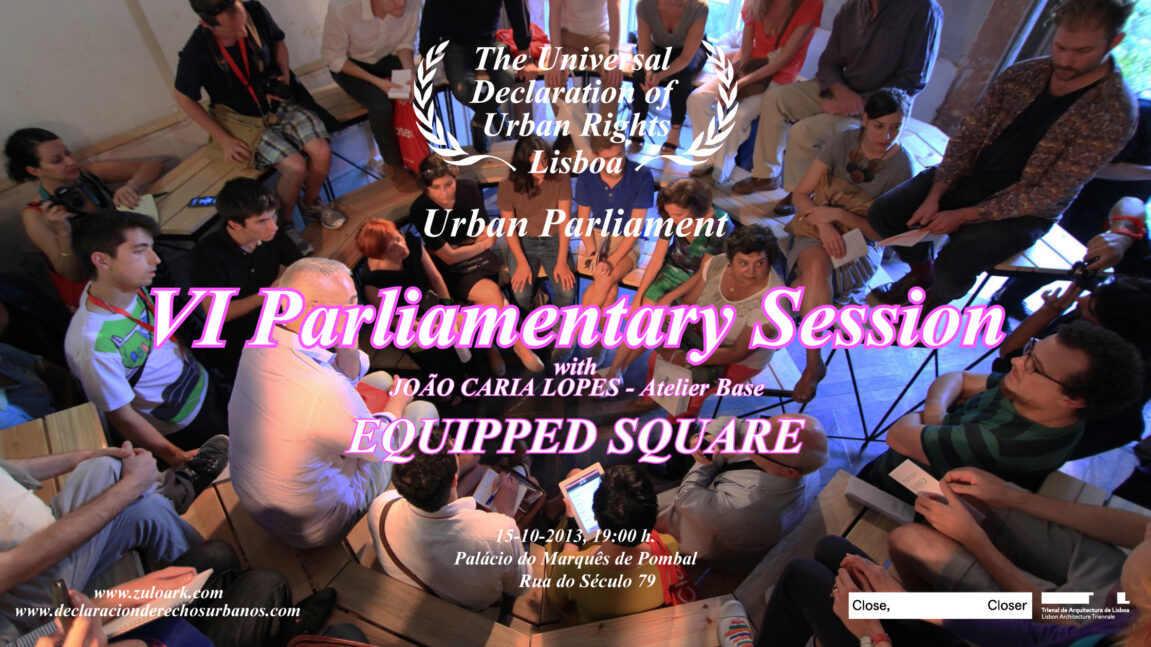
Equipped square: the session moves from asking what objects a square needs to asking who has the right to intervene, occupy and care for public space.