
The session began with a philosophical statement: a city can never really be finished. Like an artwork, it remains open to interpretation, use and transformation. This idea led to examples of buildings whose functions change through negotiation rather than through major physical alteration.
Participants discussed contested spaces, shared timetables and dense buildings where organisation matters more than the hardware of construction. Architecture was presented less as material technology and more as spatial negotiation, programming and use.
The conversation then moved to European cities facing two opposite conditions: some are growing and need more space, while others are shrinking and contain empty apartments. Lisbon appeared as a strong example: beautiful façades, empty interiors, heritage restrictions and buildings that may be protected but not easily adapted to contemporary life.
Nostalgia was recognised as both value and risk. It attracts people to Lisbon and carries emotional meaning, but it can also freeze buildings in forms that no longer fit how people live. Eighteenth-century houses designed for different family structures may need adaptation if they are to remain inhabited.
The session ended with a warning about who takes over once a city becomes attractive. In Berlin and elsewhere, people may create the atmosphere that makes a city desirable, but investors and politicians can later decide its future without those users being asked. The half-done city is therefore not just unfinished; it is contested.
Key ideas
Situation: Cities are never fully finished; they are constantly reprogrammed, abandoned, reused or adapted.
Tension: Heritage, nostalgia and investment can preserve façades while excluding contemporary life and local users.
Learning: The future of empty or unfinished urban space depends on who is allowed to adapt it.
Return: Protect adaptive reuse, involve users in redevelopment and avoid letting investors alone decide the city’s future.
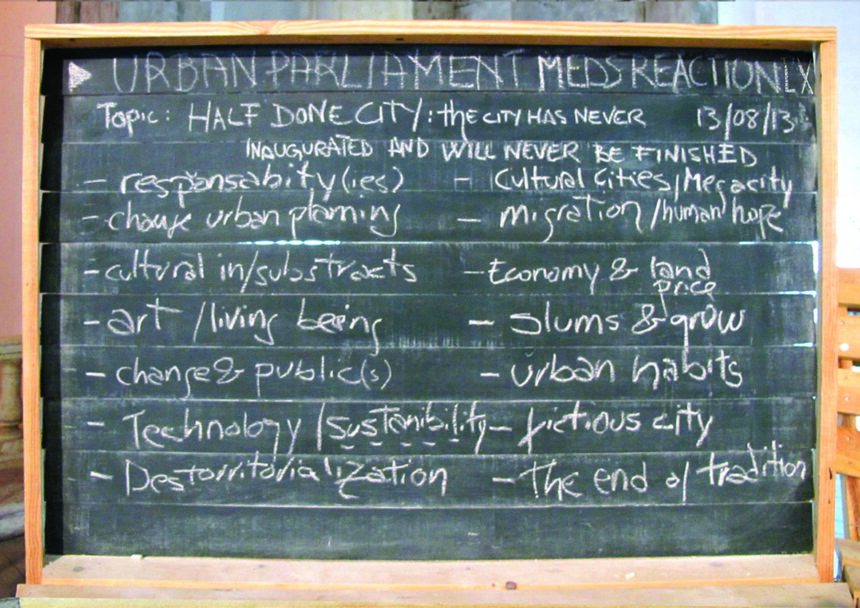
Urban beings and roles
Empty buildings: reveal mismatch between heritage, economy and contemporary living.
Residents and users: create urban value through use, adaptation and everyday culture.
Investors and politicians: may take control once a city becomes attractive.
Heritage authorities: protect memory but can also restrict adaptation.
Artists and informal users: often activate areas before formal development arrives.
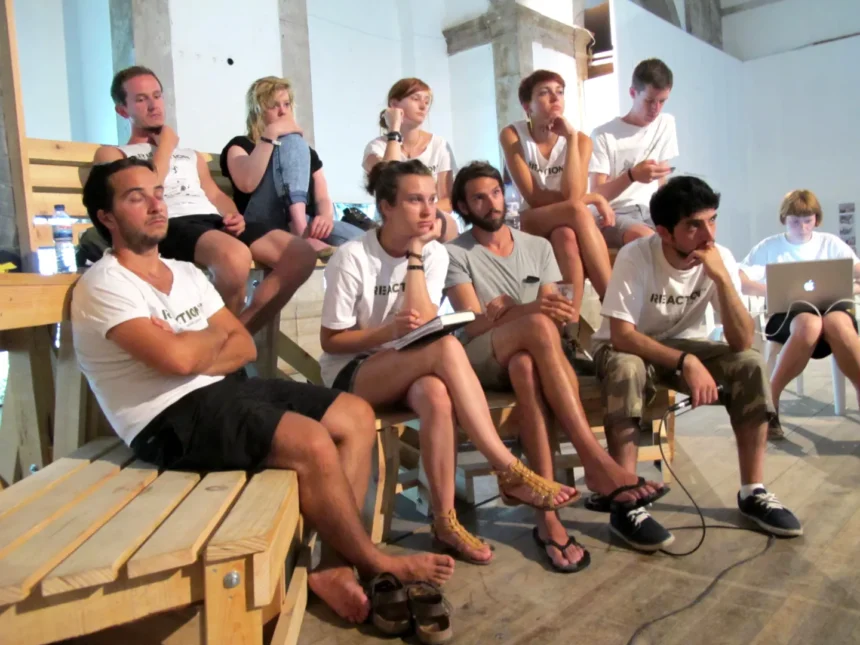
Rights to introduce
- Right to adapt inherited buildings. Heritage should remain liveable, not only visible.
- Right to reuse empty spaces. Vacancy should become an opportunity for community and housing needs.
- Right to participate in redevelopment. Users who make places attractive should not be excluded from their future.
- Right to flexible urban programming. Space can change through timetables, negotiation and shared use.
Rights or situations to eradicate
- Eradicate façadism without life. Preserving the outside while interiors collapse does not sustain a city.
- Eradicate investor takeover of community-made value. Urban attractiveness should not lead to exclusion.
- Eradicate heritage rules that prevent necessary adaptation. Protection should not produce abandonment.
- Eradicate empty housing in cities with housing needs.
Rights to protect
- Protect the city as an unfinished process. Change is part of urban life.
- Protect memory without freezing use. Nostalgia should not block habitation.
- Protect local users in attractive cities. Those who make a place alive should help shape its future.
- Protect adaptive reuse as a public value.
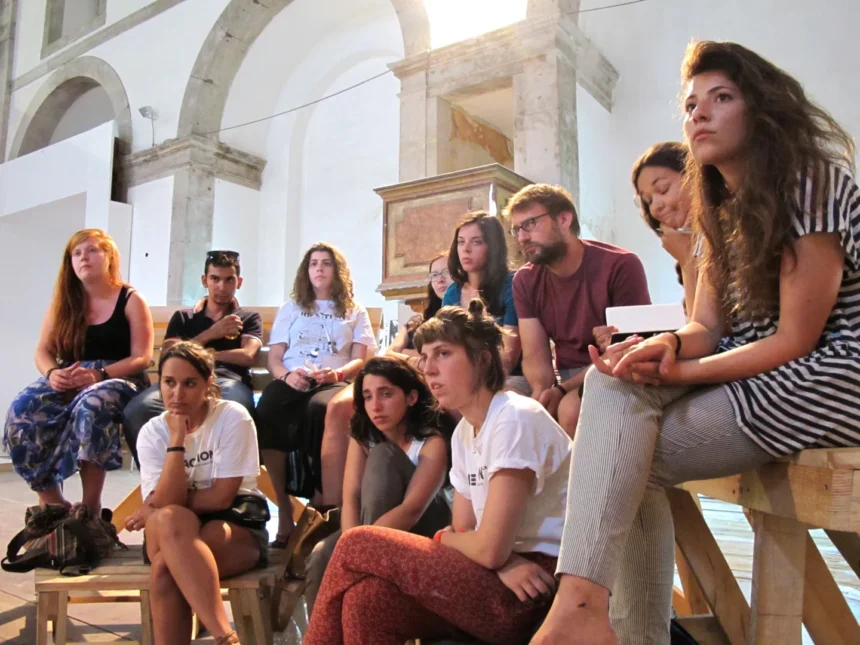
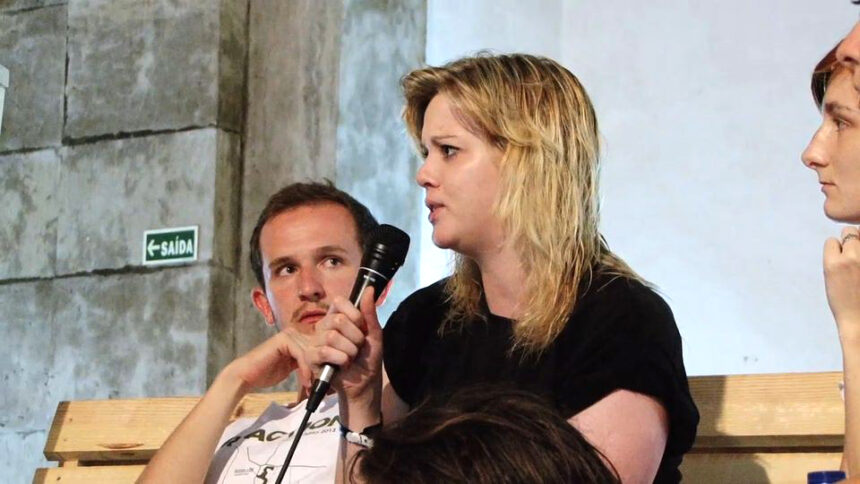
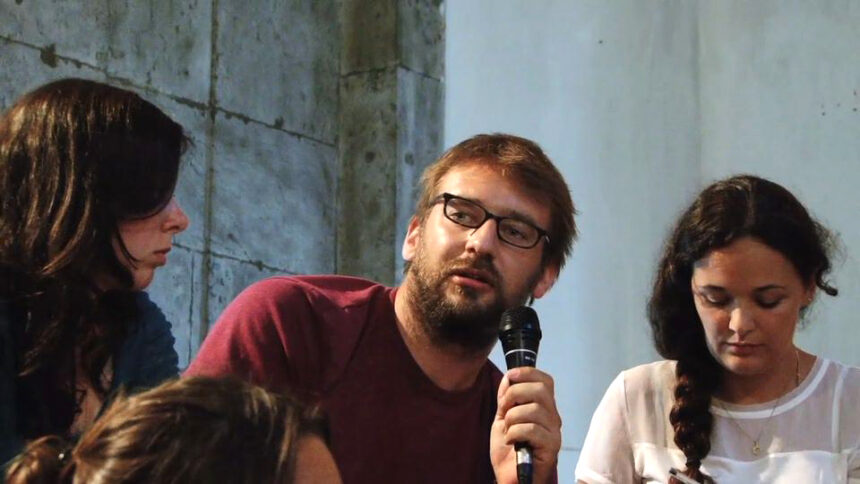
Voices from the Parliaments
Voice of the unfinished city. A voice that says the city, like an artwork, can never be fully complete.
Voice of adaptive heritage. A voice concerned with empty Lisbon buildings that cannot easily adapt to contemporary life.
Voice against investor takeover. A voice from the Berlin comparison, warning that the people who make a city attractive are often later excluded.