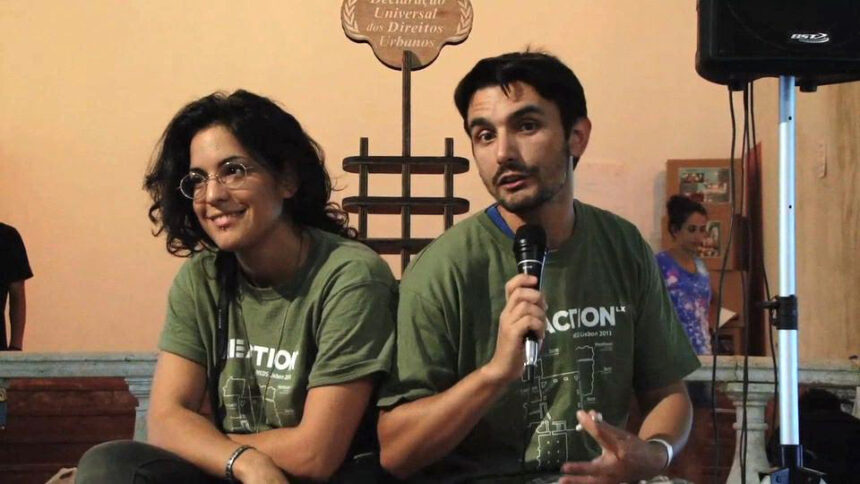
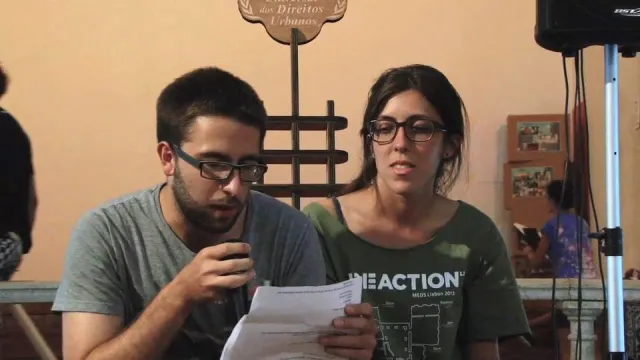
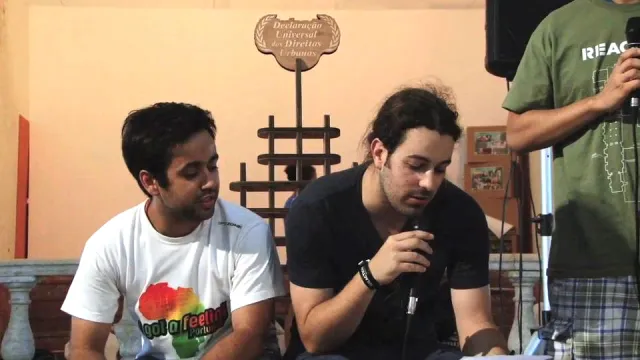
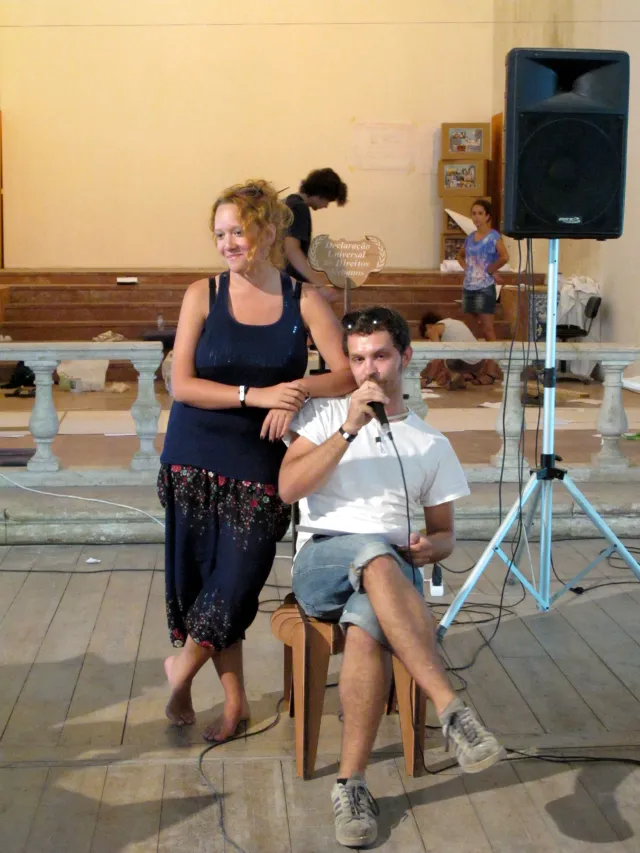
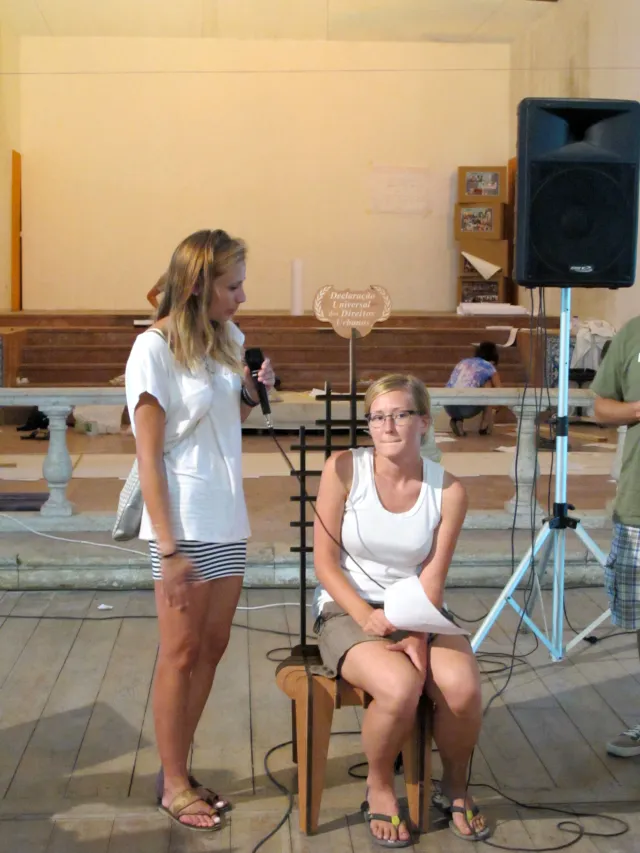
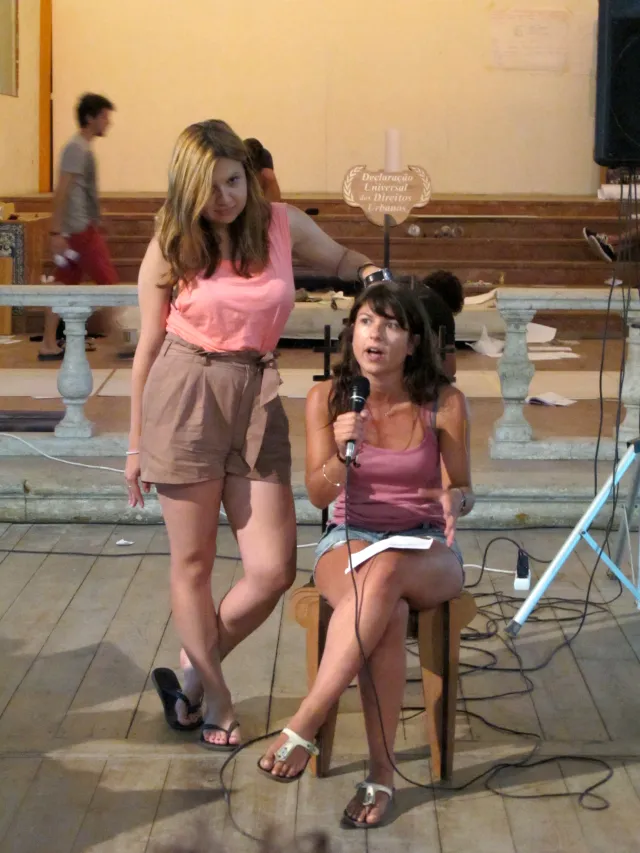
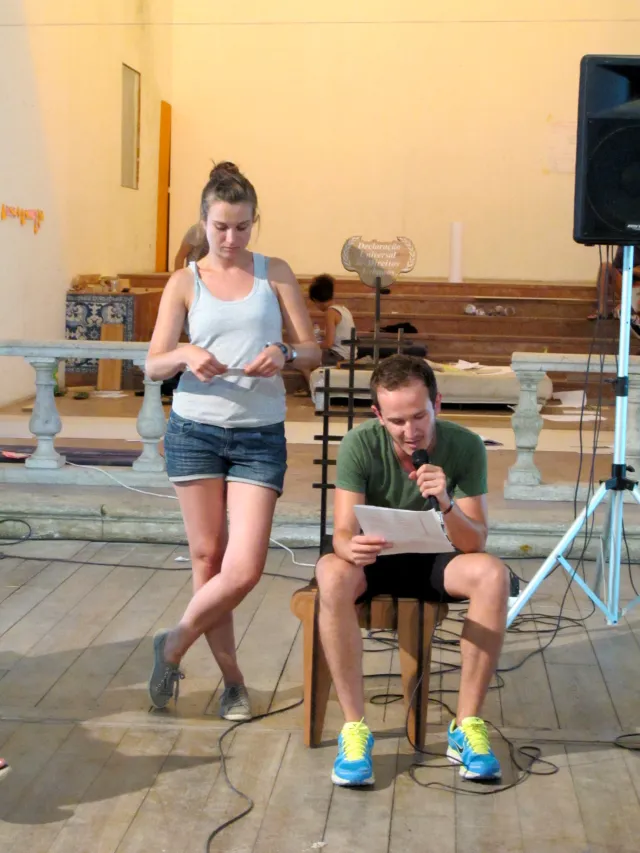
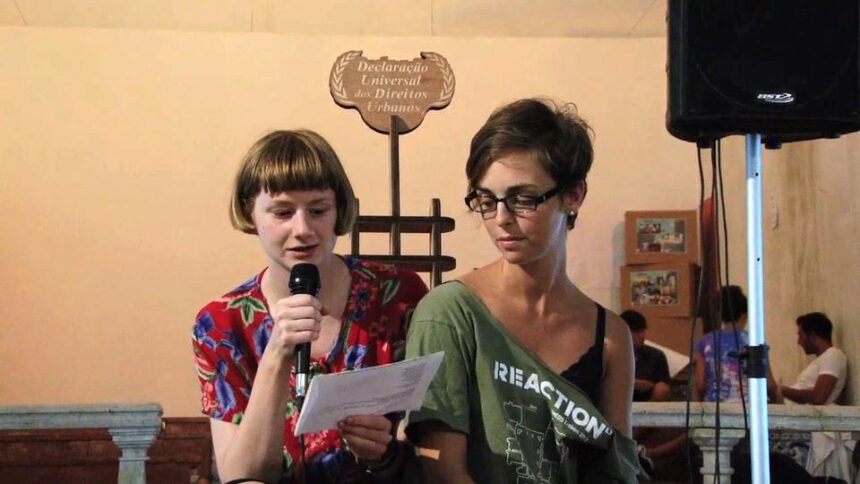
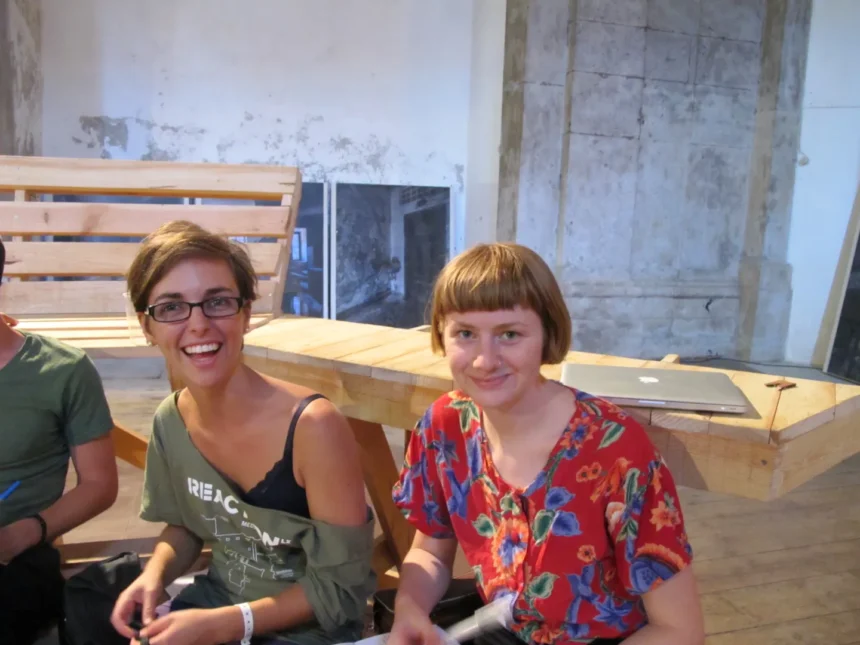
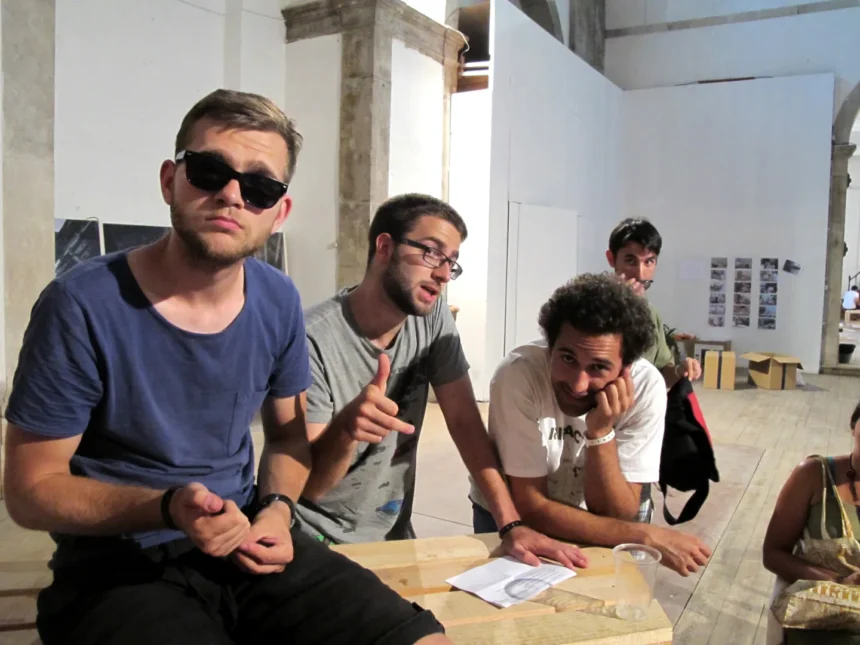
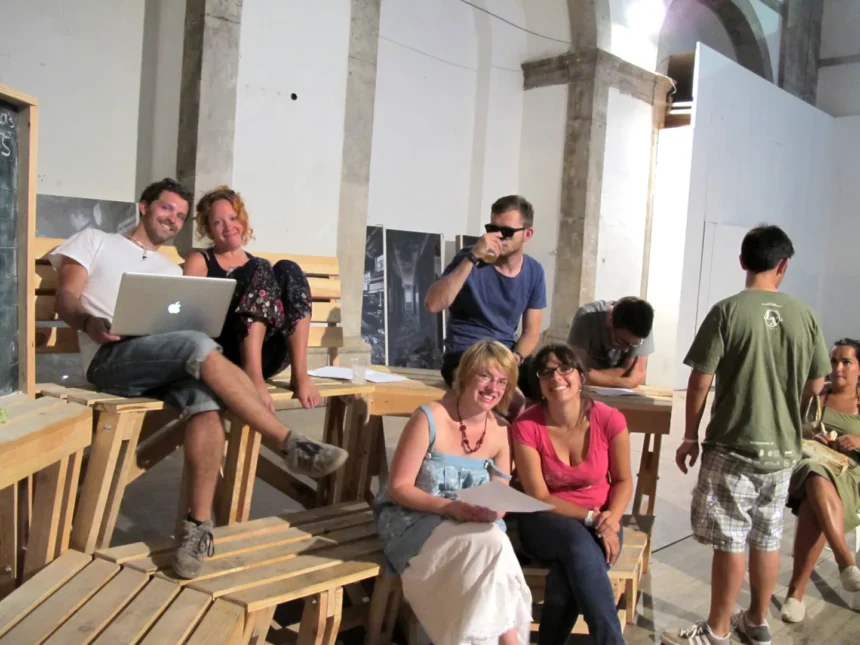
The final declaration session asked participants to formulate urban rights in three directions: rights to preserve, rights to introduce and rights to abolish. This structure turned previous debates into a political vocabulary.
Many proposals focused on public space. Participants defended the right to appropriate public space, especially at small community scale, where squares and streets allow people to connect, interact and express themselves. The street was described as a public reality that must be preserved.
Several rights concerned participation and process. Participants proposed introducing interdisciplinary participation — including sociologists, anthropologists and other fields — in design and municipal approval processes. They also called for tools that allow people to express themselves and for opportunities to think and talk with the community.
Bureaucracy appeared as one of the main obstacles to be abolished. Participants criticised long and rigid procedures that prevent people from acting, making projects or introducing community-built elements into public space. They also criticised choosing projects only by lowest price, public-private partnerships that use public money for private interest, and selling buildings or public spaces in ways that remove them from public use.
Accessibility and diversity were also central. The city should be usable by everyone, and spaces should make room for different groups to express their identities. Participants proposed creative playgrounds, free occupation of unused or low-quality spaces for good purposes, and the right to propose and discuss ideas that can transform shared environments.
The declaration closed with a strong claim against car domination in dense urban spaces. Across the session, the city appears not as a finished object, but as something people should be able to access, discuss, occupy, shape and care for.
Key ideas
Situation: The final session synthesised previous debates into a rights framework.
Tension: Public space is claimed as common, but bureaucracy, privatisation, lowest-price logic and car dominance limit public agency.
Learning: Urban rights are not abstract: they emerge from concrete practices of appropriation, accessibility, expression and shared decision-making.
Return: Use the declaration as a public framework for future urban interventions and participatory processes.
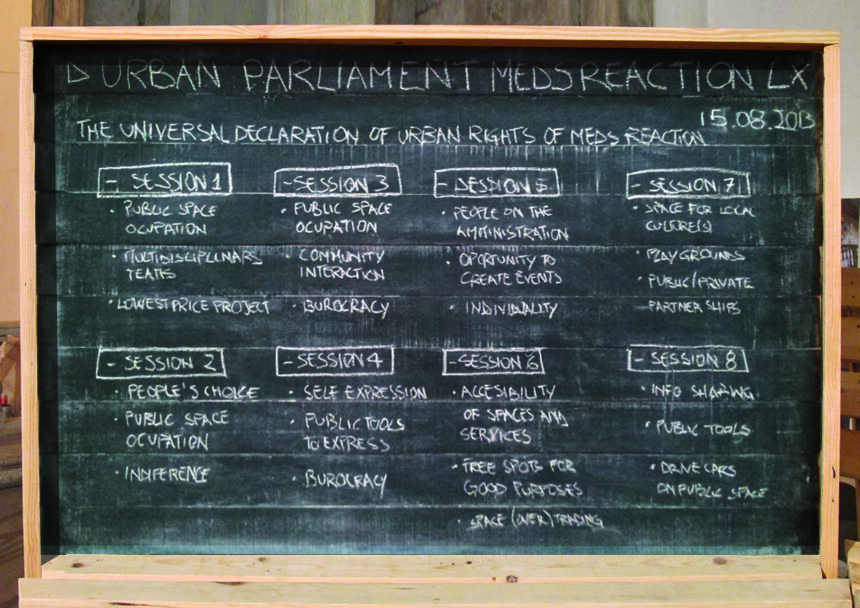
| Session 1 | Session 2 | |||
| Right to Preserve: | People’s choice | Right to Preserve: | Self Expression | |
| Right to Introduce: | Public Space Occupation | Right to Introduce: | Public tools for common and individual expression | |
| Right to Abolish: | Indiference | Right to Abolish: | Burocracy | |
| Session 3 | Session 4 | |||
| Right to Preserve: | Public Space Occupation | Right to Preserve: | People relevance on public administration | |
| Right to Introduce: | Community interaction with public space | Right to Introduce: | Oportunity to create cultural and non cultural events in town | |
| Right to Abolish: | Burocracy | Right to Abolish: | Individuality | |
| Session 5 | Session 6 | |||
| Right to Preserve: | Public Space Occupation | Right to Preserve: | Accesibility of spaces and services | |
| Right to Introduce: | Multidisciplinar teams for urban planning and design projects | Right to Introduce: | Occupation on free and available spots of the city for good purposes | |
| Right to Abolish: | Critiria for choose the lowest price project instead of the better quality one | Right to Abolish: | Space (over)trading | |
| Session 7 | Session 8 | |||
| Right to Preserve: | Space for local culture(s) | Right to Preserve: | Information sharing and flow: public authorities – citizens | |
| Right to Introduce: | Playgrounds: place where everything is possible | Right to Introduce: | Tools to customize space by the inhabitants of a determinate place | |
| Right to Abolish: | Public-Private partnerships | Right to Abolish: | Drive cars on public spaces |
Urban beings and roles
Participants: act as collective voices translating debate into rights.
Communities: appear as makers of rights through care, discussion and action.
Public space: becomes the central object of preservation, occupation and transformation.
Municipal authorities: are asked to open processes and reduce rigid bureaucracy.
Cars and private interests: appear as forces that can limit urban public life.
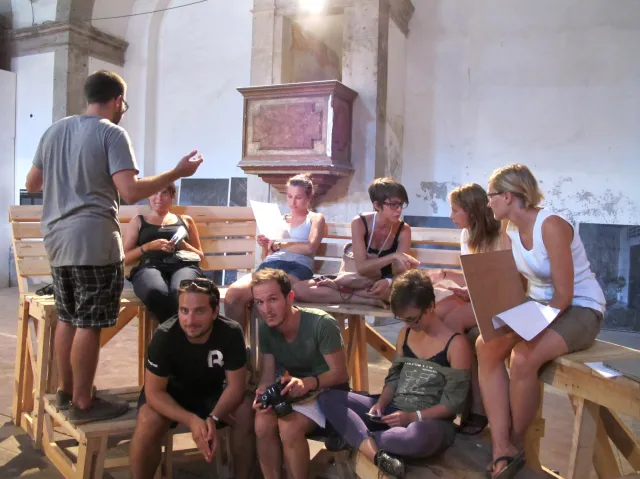
Rights to introduce
- Right to appropriate public space. Especially in small-scale community spaces where people can connect and interact.
- Right to interdisciplinary participation. Urban processes should include social, cultural and technical knowledge.
- Right to propose and discuss ideas. Communities should be able to shape their environments through discussion.
- Right to occupy unused spaces for public good. Empty or neglected spaces can be activated by communities.
- Right to creative playgrounds. Cities need places where almost anything can happen and people can organise events.
Rights or situations to eradicate
- Eradicate rigid bureaucracy. Long procedures should not block community action.
- Eradicate lowest-price selection as the main criterion. Urban quality cannot be reduced to cost.
- Eradicate indifference. People should not be detached from the spaces they share.
- Eradicate selling public spaces for private interest. Public assets should remain available for collective use.
- Eradicate public-private partnerships that use public money for private benefit. Public resources should serve public comfort, needs and choices.
- Eradicate the right to drive cars into dense urban spaces. Dense areas should prioritise people, not vehicles.
Rights to protect
- Protect accessibility. Urban spaces must be usable by everyone without additional cost.
- Protect the street as public reality. Streets are not only mobility corridors; they are social spaces.
- Protect urban habits and diversity. Cities should make room for different groups and identities.
- Protect sharing of information between people and community. Knowledge must circulate.
- Protect people’s choice and expression. Urban life needs spaces for subjectivity, voice and collective decision.
Voices from the Parliaments
Voice of appropriation. A voice defending the right to take care of and use small public spaces collectively.
Voice against bureaucracy. A voice calling for the removal of rigid procedures that prevent civic action.
Voice of accessibility. A voice insisting that the city must be usable by everyone.
Voice against privatisation. A voice warning that selling public space removes it from common life.
Voice against car dominance. A voice demanding that dense urban spaces prioritise people over vehicles.