
The session began with a practical question: at the start of a project, who should be addressed? The immediate answer might be the people who live there, but the discussion quickly became more complex. Urban projects involve clients, users, buyers, decision-makers, public authorities, neighbours, associations and other publics that may be affected without being formally consulted.
Participants questioned the idea that participation is simply asking people what they want. People may not always know how to formulate their needs, and experts may sometimes identify possibilities that are not yet visible. But this does not give architects the right to impose solutions. It means they must ask better questions.
Instead of asking “what do you want?”, one participant suggested asking: what do you do, what does your day look like, what do you already have? This shifts participation from a list of demands to an understanding of practices, routines and conditions.
The architect’s ego also entered the debate. Some spectacular projects are not only the result of professional vanity; they can also respond to clients who want iconic, expensive or visible buildings. Still, the session insisted that architecture is not art for the author’s glory. A good project must understand the culture, context and people who will live with it.
The session’s strongest methodological proposal is mapping: before designing, identify all publics involved, including those not visible in the contract. If architects do not know enough about a problem, they should work with other disciplines and people who have direct experience. Asking for help is not weakness; it is part of responsible urban practice.
Key ideas
Situation: Urban projects involve many actors beyond the formal client.
Tension: Listening to people does not mean simply obeying stated wishes, but expertise cannot justify imposition.
Learning: Better questions, actor mapping and interdisciplinary work can reduce the gap between design and everyday life.
Return: Develop target maps of publics, include multiple disciplines and design from practices rather than assumptions.
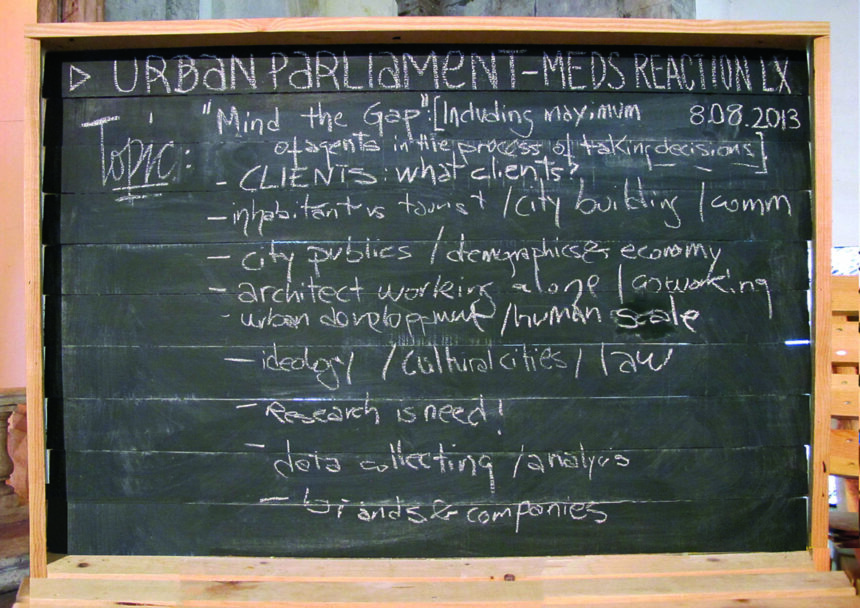
Urban beings and roles
Clients: commission projects and may hold economic power.
Users: live with the consequences of design.
Decision-makers: approve, finance or select projects.
Architects and designers: mediate between wishes, needs, regulations and contexts.
Other publics: neighbours, associations, NGOs and affected communities who are often forgotten.
Researchers and other disciplines: bring knowledge that architects may lack.
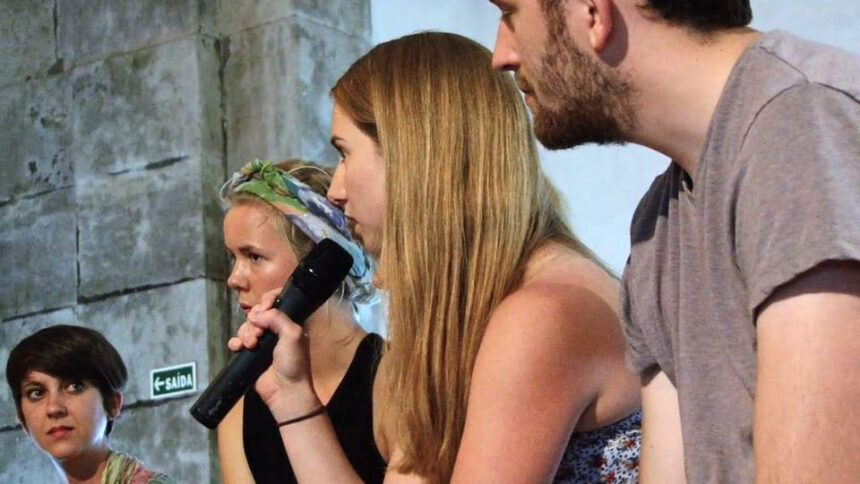
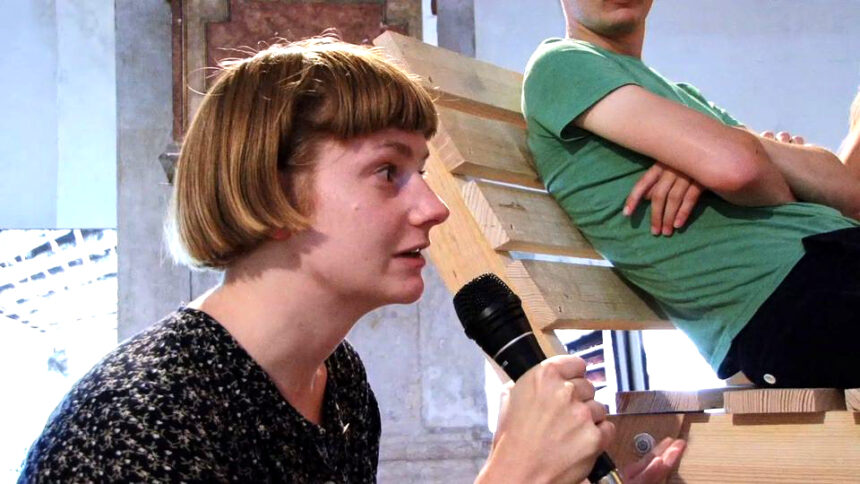
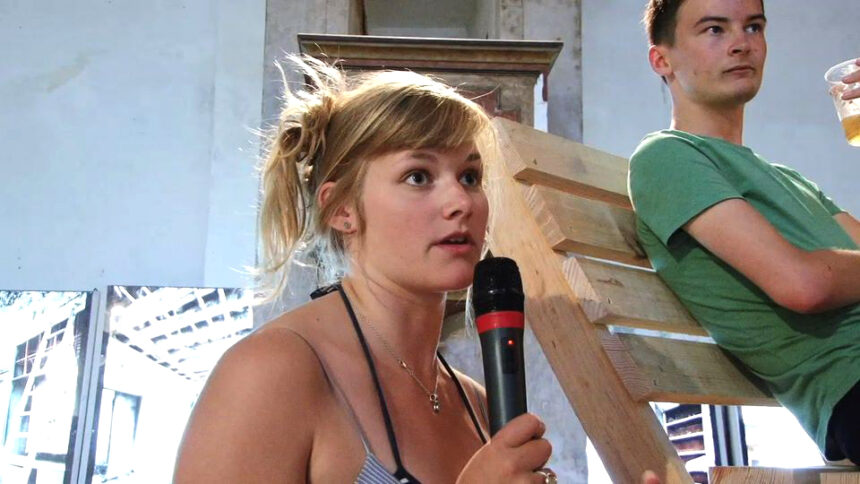
Rights to introduce
- Right to be mapped as an affected public. Urban projects should identify all groups touched by their consequences.
- Right to better questions. Participation should explore practices, routines and needs, not only stated wishes.
- Right to interdisciplinary design. Sociologists, anthropologists and other experts should be included when needed.
- Right to transparent decision-making. People should understand who decides and why.
Rights or situations to eradicate
- Eradicate the reduction of people to clients. The paying client is not the only public.
- Eradicate architecture for ego. Urban projects should not be designed for professional glory alone.
- Eradicate poor research before intervention. Context matters.
- Eradicate asking the wrong question. “What do you want?” is not always enough.
Rights to protect
- Protect local knowledge and everyday practices. They reveal needs that surveys may miss.
- Protect expert responsibility without authoritarianism. Knowledge should serve, not dominate.
- Protect multiple publics. Cities are used by more people than those who sign contracts.
- Protect design as mediation. Architecture must translate between needs, constraints and possibilities.
Voices from the Parliaments
Voice of the careful expert. A voice that argues architects should not ask only “what do you want?”, but should understand daily life.
Voice of the forgotten public. A voice representing neighbours, associations or affected users left outside formal decisions.
Voice against architectural ego. A voice that distinguishes architecture from self-expression and insists on responsibility to context.