
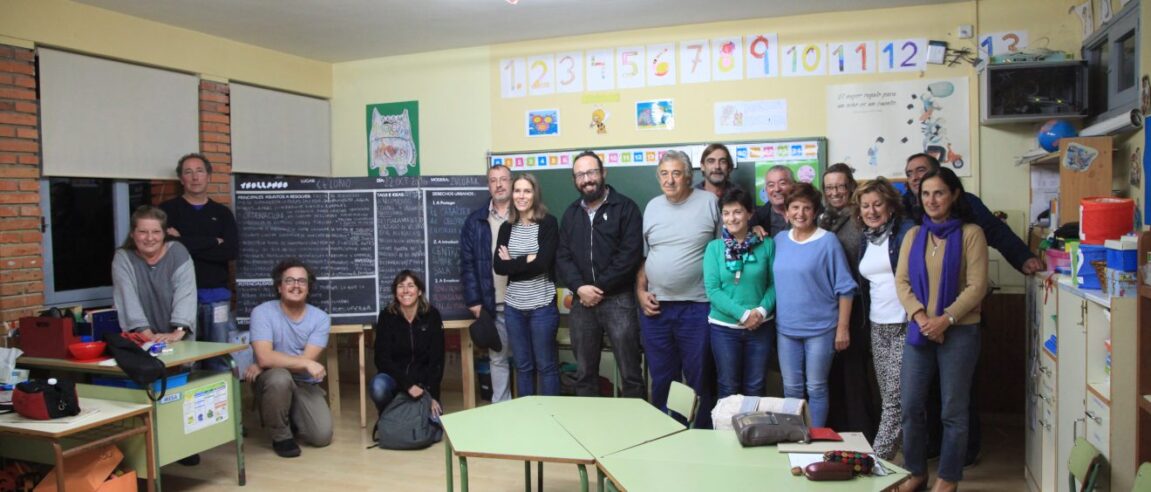
Venue: Casa de Conceyu de Celorio
Participants: 30
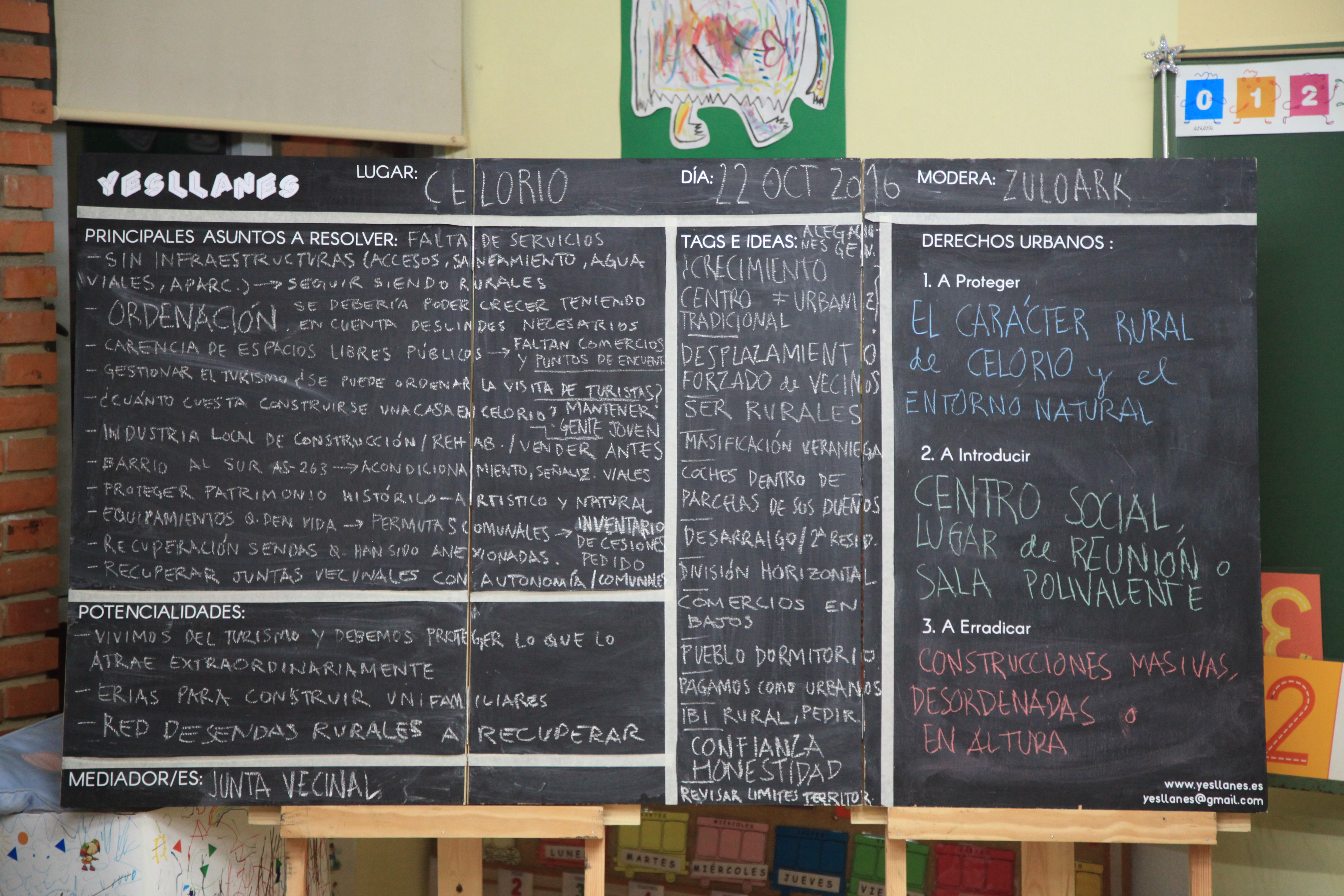
The Celorio meeting brought a strong contradiction to the surface: the village was classified as urban in the previous plan and now pays urban property tax, yet it still lacks essential services.
The discussion described a territory under construction and tourism pressure before its structural needs have been resolved. Celorio changes radically between winter and summer: from around 400 people in winter to around 10,000 in summer. This variation affects services, mobility, public space, coexistence and landscape.
Participants argued that any future growth must begin with those who live in Celorio permanently. The priority should not be to increase residential or tourist capacity, but to adapt services, strengthen spaces for social life and protect the landscape.
There was also concern that Celorio could become a dormitory village for Llanes, losing its own life and its capacity to sustain a stable population. Retaining population means more than building housing: it requires services, common spaces, everyday activity and environmental protection.
The proposal that emerges is to organise Celorio’s future from the perspective of permanent life, not from peaks in tourist consumption. Before accepting further growth, the village needs infrastructure, services and a clear strategy to balance tourism, housing, landscape and community.
Key ideas
Situation: Celorio pays urban property tax but lacks sufficient services.
Tension: Construction and tourism pressure are growing in a territory not prepared for major population fluctuations.
Learning: Planning should prioritise those who live in Celorio all year round.
Return: Review services, social spaces and landscape protection before allowing further growth.
Participantes y roles
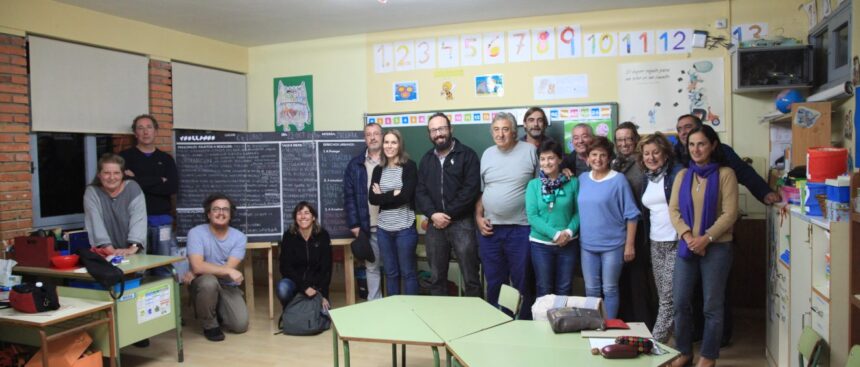
Permanent residents: focus on services, everyday life, coexistence and population retention.
People linked to tourism or seasonal housing: represent the impact of seasonal variation.
Urban property taxpayers: express the contradiction between urban taxation and lack of services.
Defenders of the local landscape: call for protection against construction and tourism pressure.