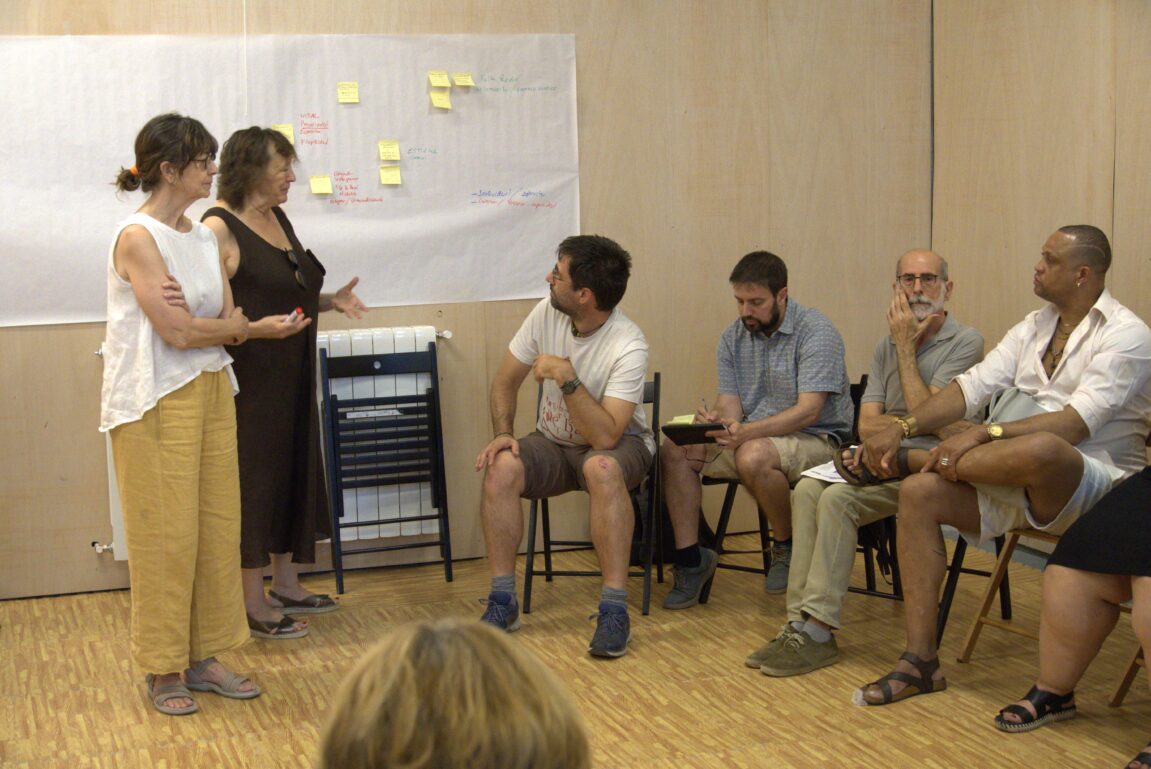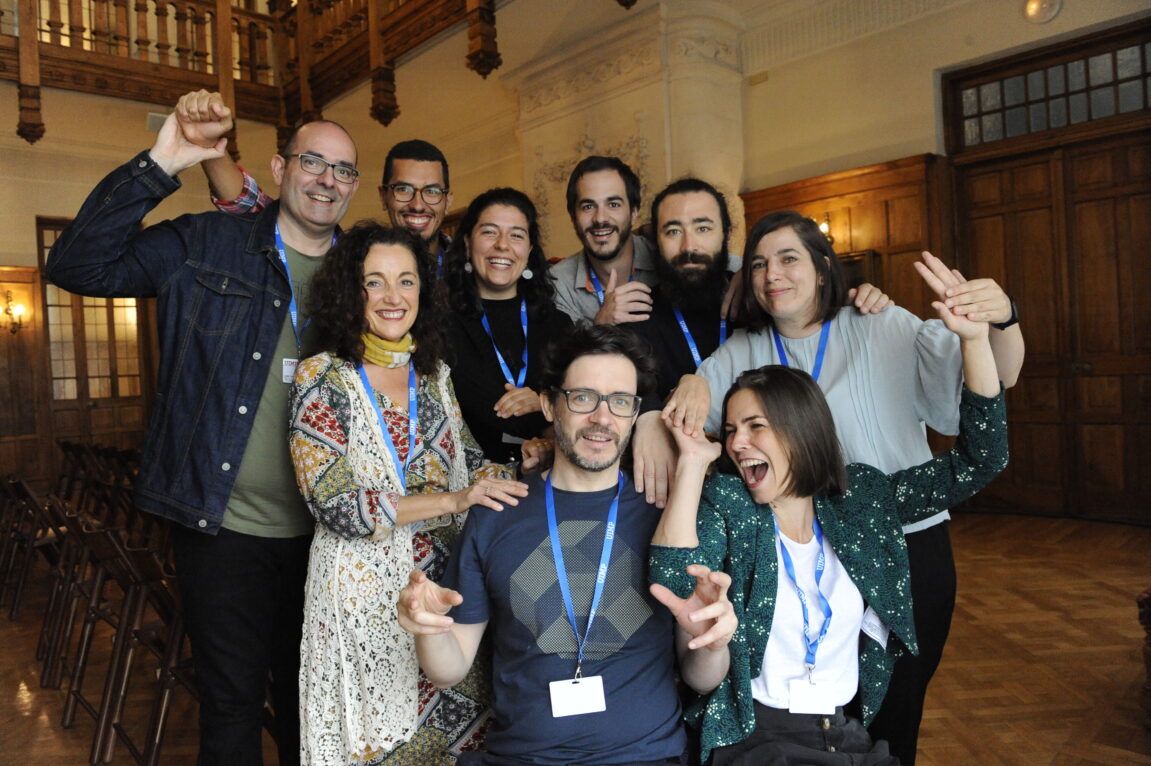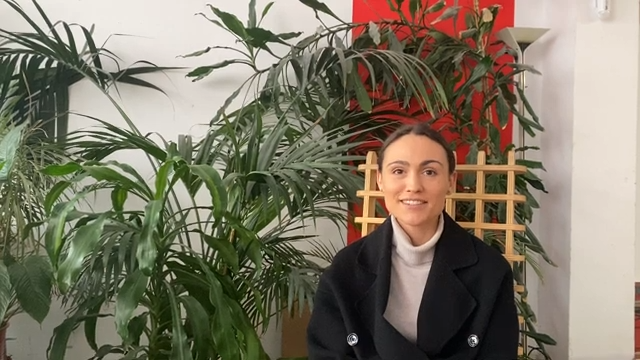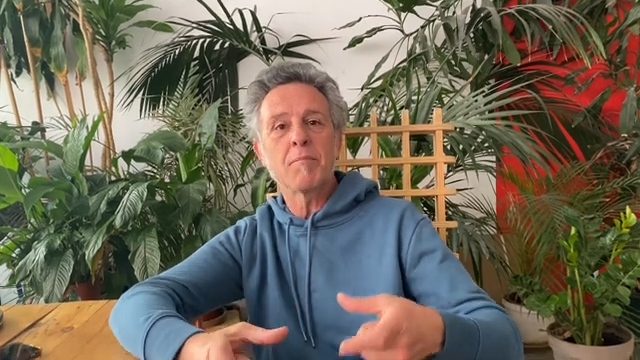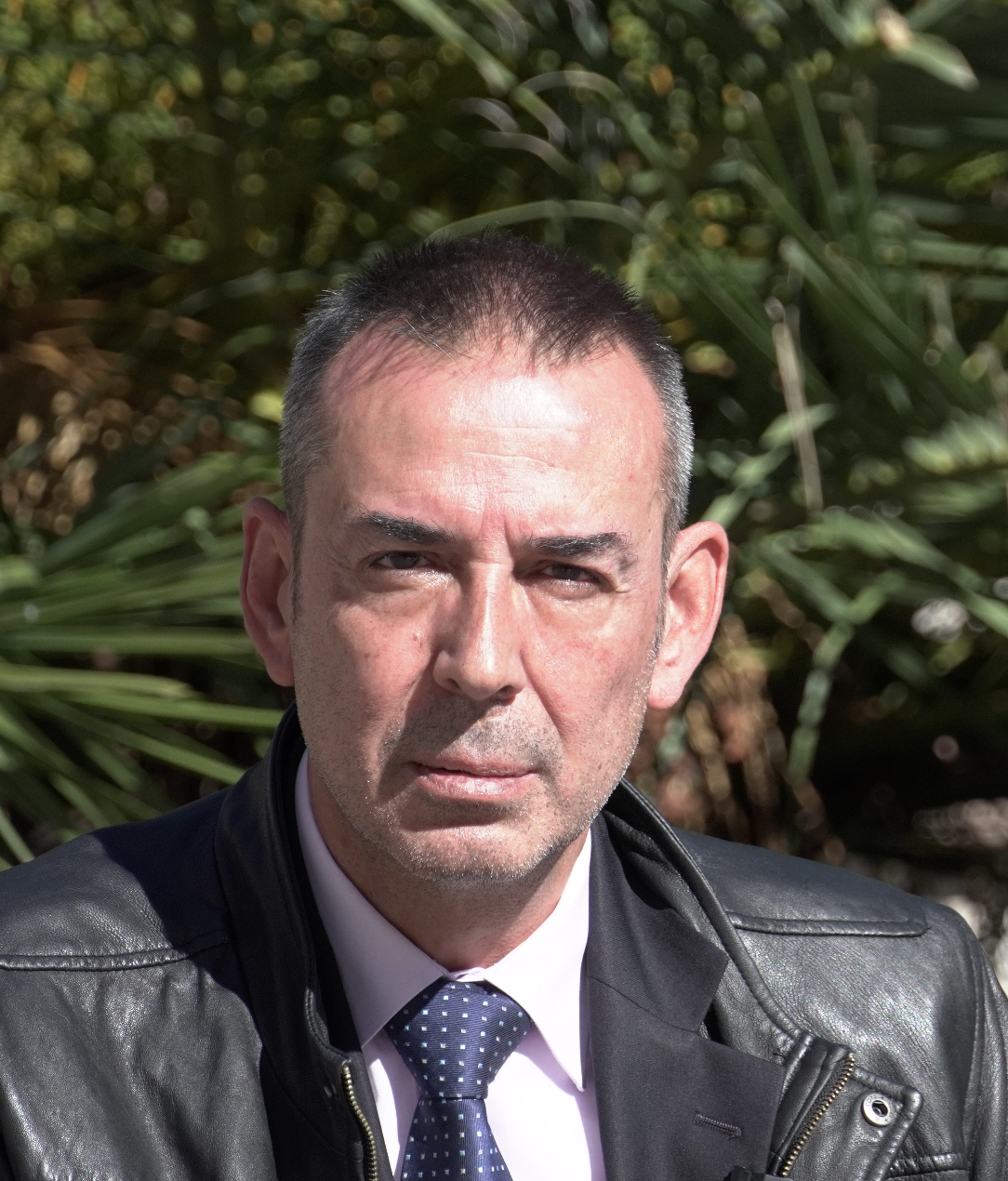
Cities should guarantee green, traffic-calmed and lively neighbourhoods, where reducing traffic makes it possible to recover space for trees, shade, rest, encounter and local commerce. Protecting existing green areas and creating new spaces for climate care should be part of just adaptation, especially in dense neighbourhoods with limited public space.
Residentes habituales, reglas iguales y vivienda joven: Quintana, Balmori y Piedra reclaman una planificación que empiece por quienes viven allí.
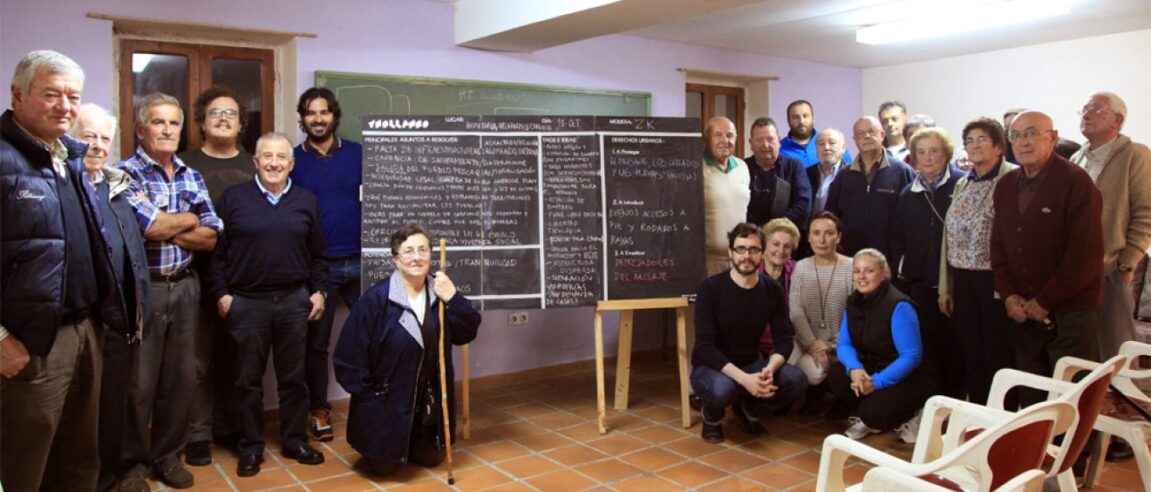
Typologies, evolution and development: Hontoria, Villahormes and Cardoso debate whether to revive the previous model or imagine another future for their villages.

Grupo de Estudios y Alternativas 21, S.L.
Local voice on square, slow living, zoning.
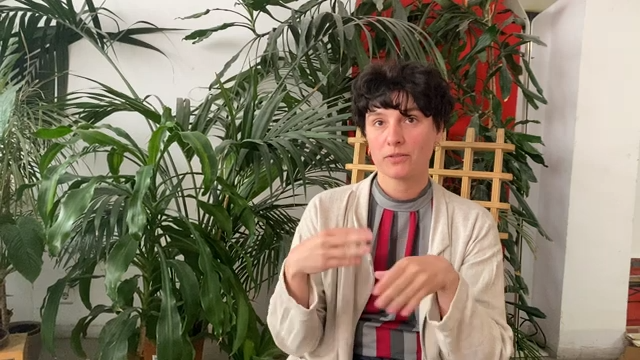
Cities should guarantee accessible, continuous pavements free from improper occupation, recognising walking as a basic form of mobility, health and urban care. Protecting local commerce and improving pedestrian space should be part of just adaptation policies, because they sustain more liveable, proximate neighbourhoods that are better able to care for everyday life.
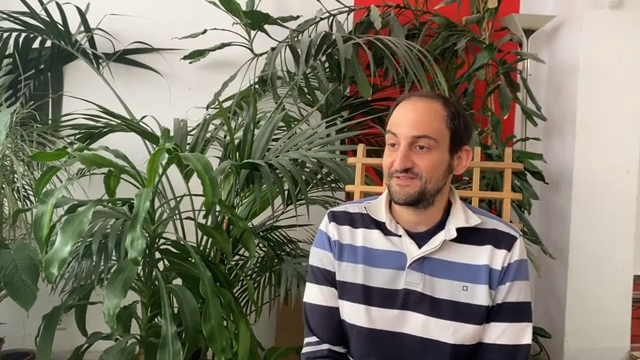
Ingeniero industrial en energías renovables
Malasaña. Barrio Universidad (Centro), Madrid
Diseñadora
Moncloa. Chamberí, Madrid
Director de cine
Argüelles, Moncloa-Aravaca. Madrid
Arquitecto
Centro, Madrid
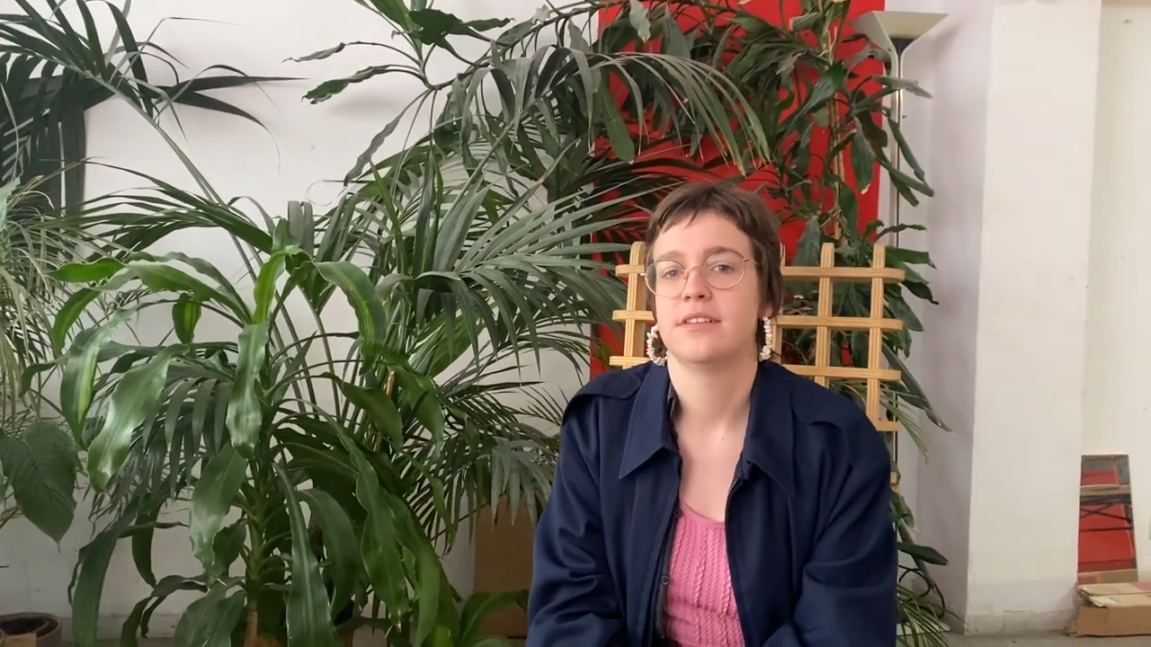
4ºESO student in IES Ramiro de Maeztu and Urban Rights observer for a week.
https://youtu.be/g8akyWt5yH8
#freesoftware #datacommons #digitalcommons. Involved in @montera34 @civicwise @lab_place.
Mastodon: @skotperez@social.coop. PGP: http://voragine.net/skotperez.asc
Lourdes Cabrera is a photographer based in Madrid.
info@lourdescabrera.es
@_lourdescabrera_
Arts management, Cultural projects, Consultant, Project Manager
ZULOARK Studio Partner & Researcher / Illustrator, designer, Architect.
Architect and Communicator | Head of Communications at Zuloark Collective | Teaching Assistant at MACA Master in Architectural Communication ETSAM
Jacobo Cayetano is a stage designer with a degree from the Real Escuela Superior de Arte Dramático de Madrid (RESAD). His work after graduating from RESAD has varied so much that he ended up decajanegrizing scenography and now revolves around research and artistic/urban practice, designing and devising spaces of possibility.
Founder Member of the architecture group zuloark, a distributed architecture and urbanism office founded in 2001. Also currently teaching at the University of Arts in Berlin in the department of Architecture: Building Planning and Design and Head of Space in Making Futures (making-futures.com)
ZULOARK Studio Partner & Researcher / Co-founder of ZOOHAUS [Inteligencias Colectivas]
Learning and sharing about #UrbanInnovation for #UrbanTransitions and #urbanresilience #SDG11 #SDG5 #SDG13 in zuloark.com, @_CITY_FOLLOWERS.
TW: @auroravolant
Belgian architect who frequents the Peyma and the Pavón although he is temporarily in Antwerp for family reasons. Specialist in processes of citizen engagement and self-building with communities.
Contact him here davidoff99@yahoo.es
With a background in architecture from the Polytechnic University of Cartagena, I have always been interested in the possibilities offered by the limits of my discipline. Co-founder and cooperative partner since 2018 of the Office of Civic Innovation S. Coop.
An expert in communication and social networks, Patricia Horrillo Guerra uses a multidisciplinary background to carry out collaborative projects in multiple fields. After finishing her degree in Applied Linguistics, which combined studies in English Philology with Marketing and Communication, and Journalism, she worked in media such as Público in Barcelona and Cuarto Poder and La Marea in Madrid. She has also collaborated with digital media such as VICE, eldiario.es, 20 minutos, Tribuna Feminista, Somos Malasaña or Zona Retiro.
Pablo (numeroteca.org, @numeroteca). He works and collaborates in several research and experimentation collectives such as Basurama, Wikitoki or Publiclab. His main concern is how to structure and make information more accessible. To do so, he develops research processes and data visualizations where researchers, clients or users can deepen and understand complex data.
@_MariaTome, Socia cooperativista y cofundadora en Oficina de Innovación Cívica S. Coop, Civicwise
How to open an organisation to a wider circle of collaborators
Assistant Professor in Social Anthropology(Profesor Ayudante Doctor), Department of Social Anthropology and Social Psychology, Faculty of Sociology and Political Sciences, Complutense University of Madrid (Spain). Antropólogo interesado por la ciudad, las culturas digitales y la inventiva etnográfica. T: @adolfoestalella I: @adolfoestalella

In Montera34 we analyze and visualize data to try to understand urban, social and cultural transformations; we develop software and we build digital infrastructures to enhance collaboration; we create production and meeting spaces, both temporary and permanent, to share technological learning, needs, doubts, data and analysis. We try to do all this using free data and tools, and we like to talk about why this is not always possible.
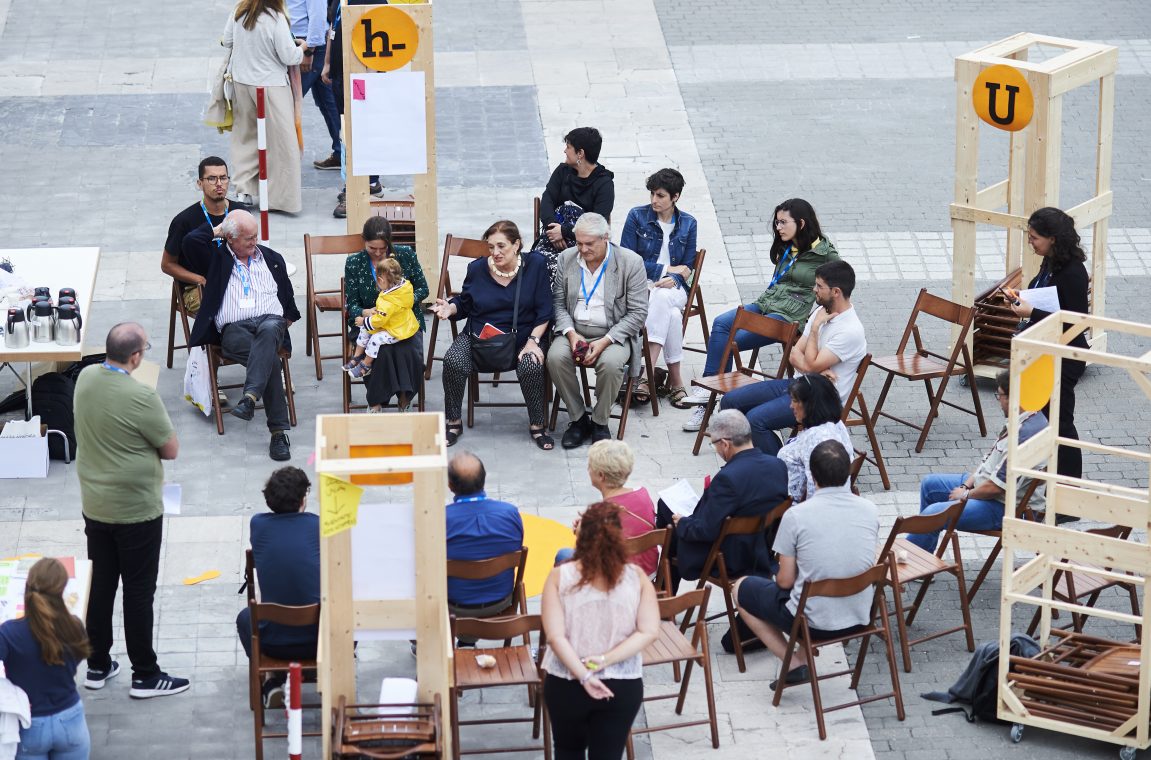
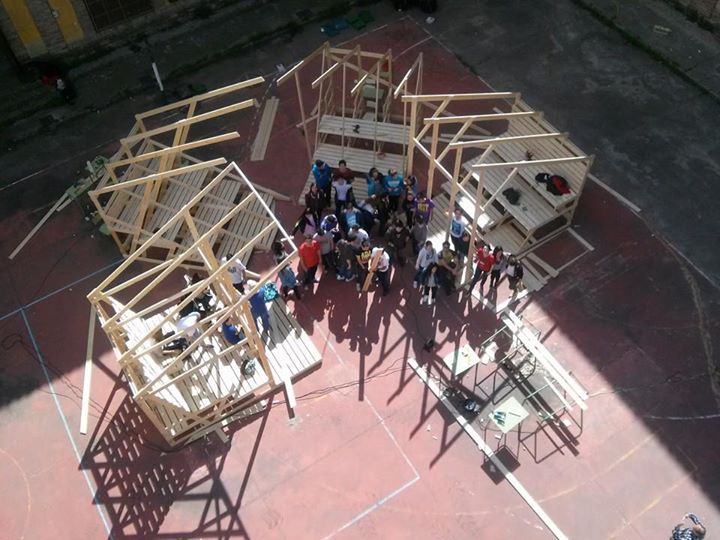
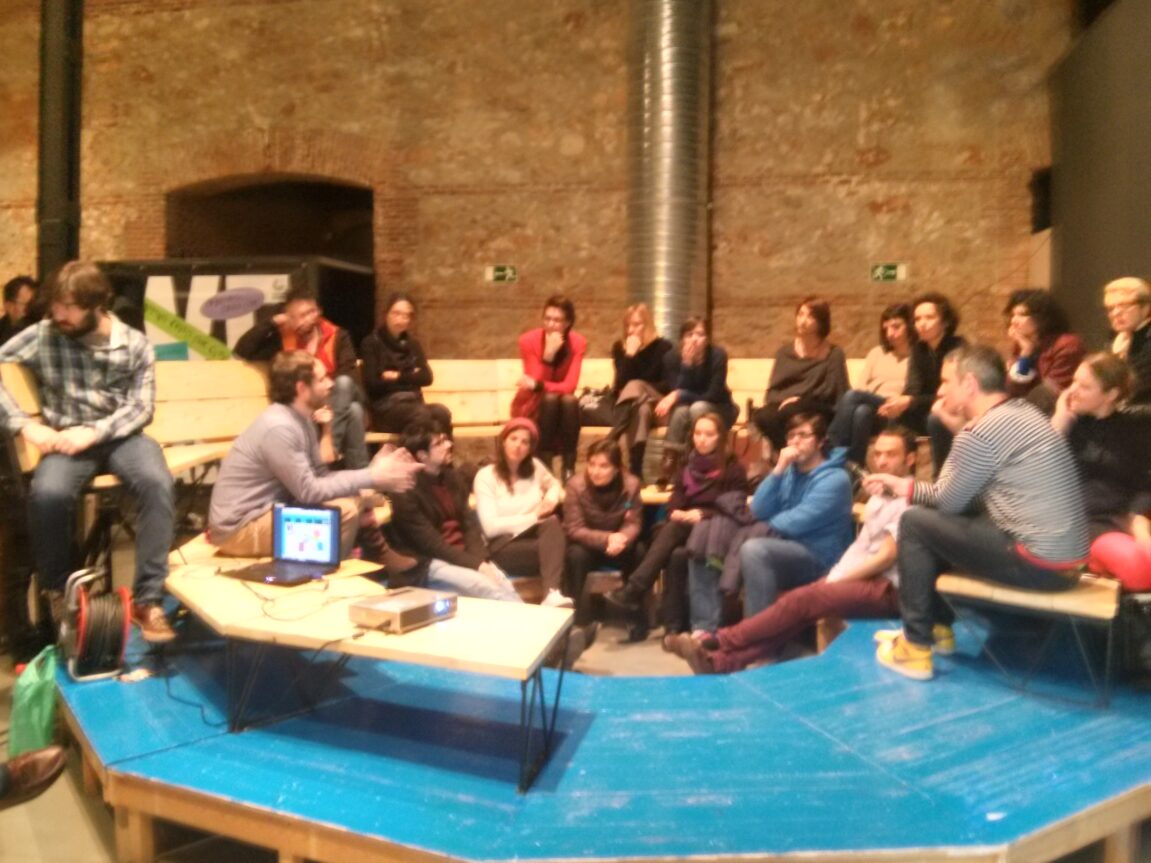
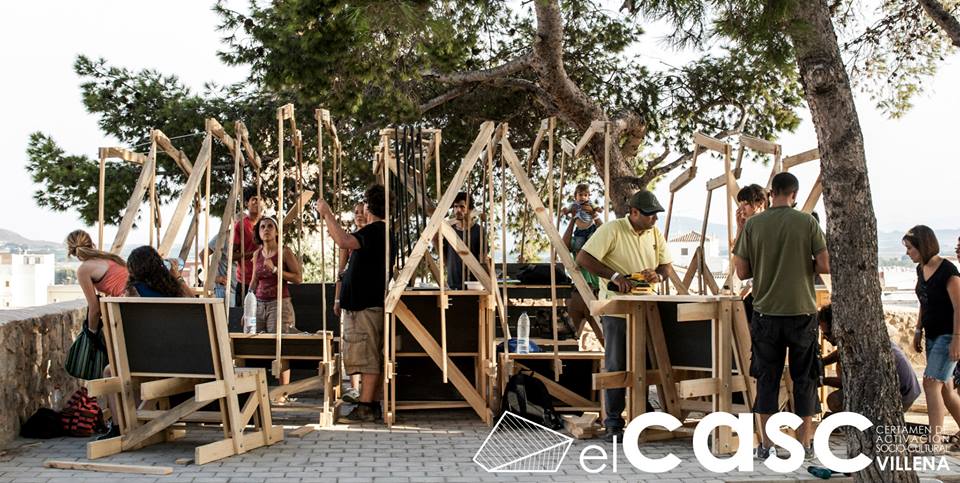
URBAN PLANNING, ARCHITECTURE AND ANTHROPOLOGY WORKSHOP. MAKING THE CITY OF TODAY: FROM URBAN EXPERIMENTS TO DIY URBANISM. Our cities concentrate the significant problems of our society (speculation, tourism, pollution…). Still, at the same time, they are the place that harbours the hopes of a different society: more just, democratic and ecological. In recent times we
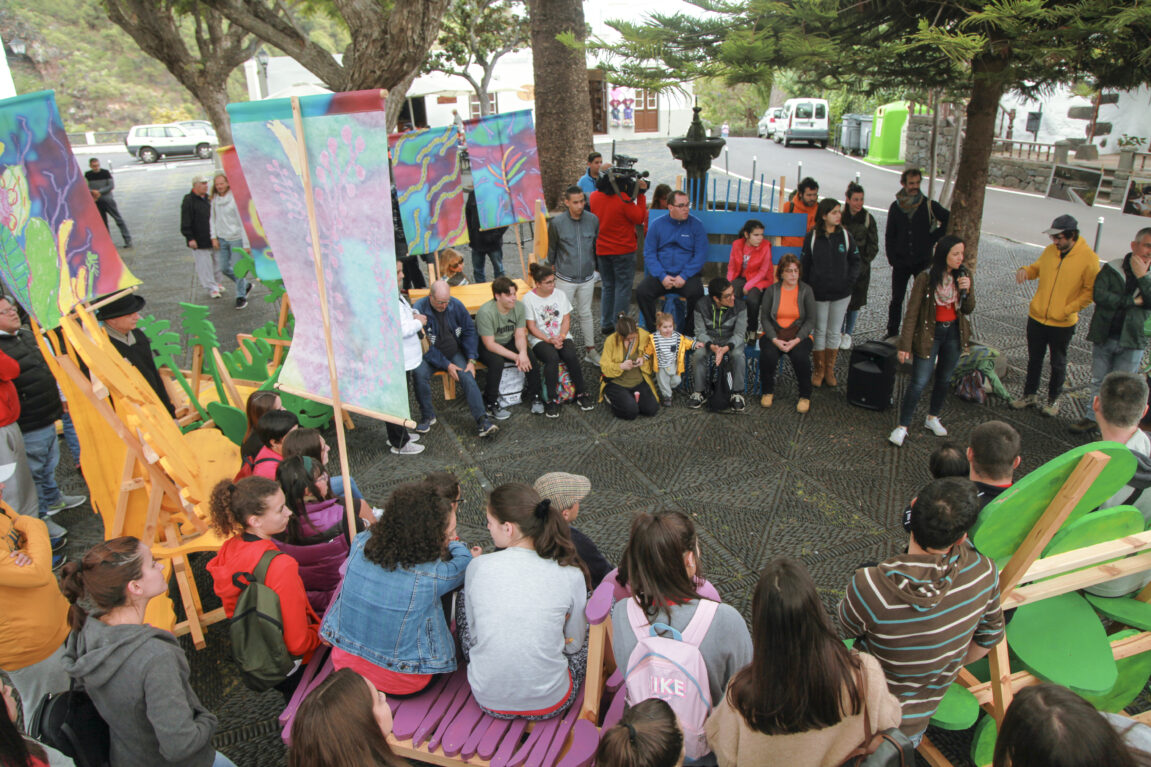
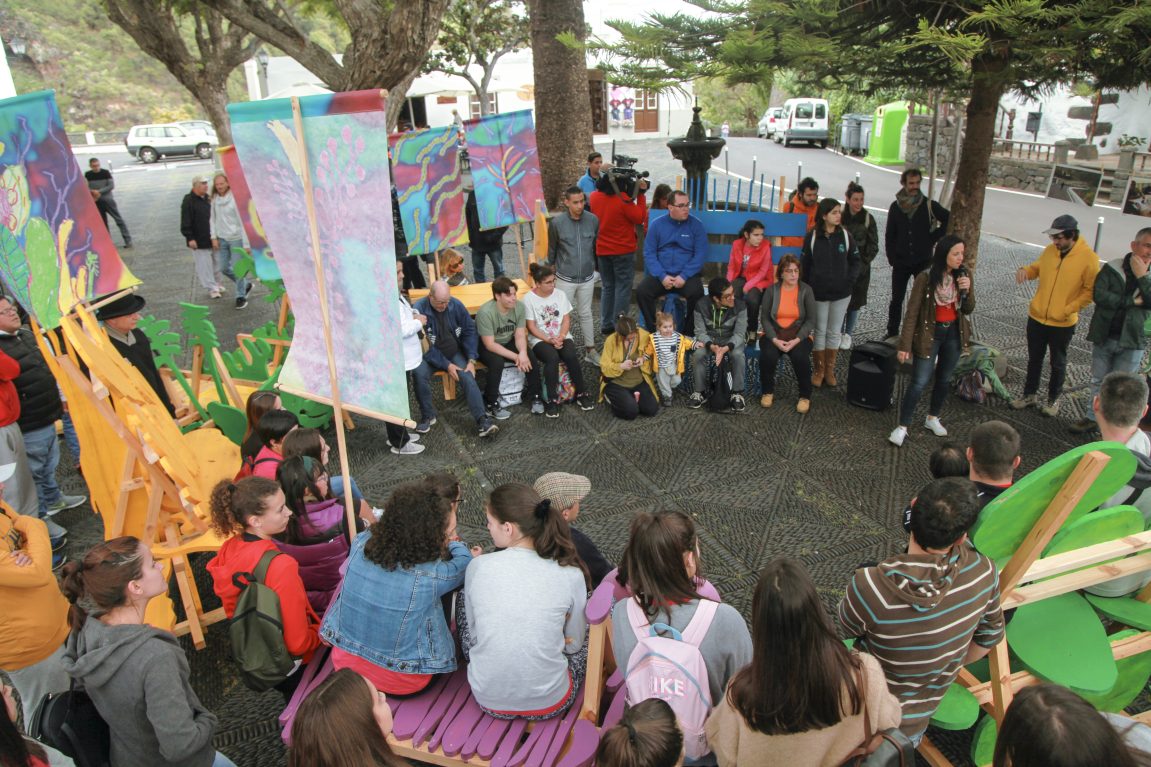
Parlamento urbano “Aquí hay dragones” en La Palma (Canarias)
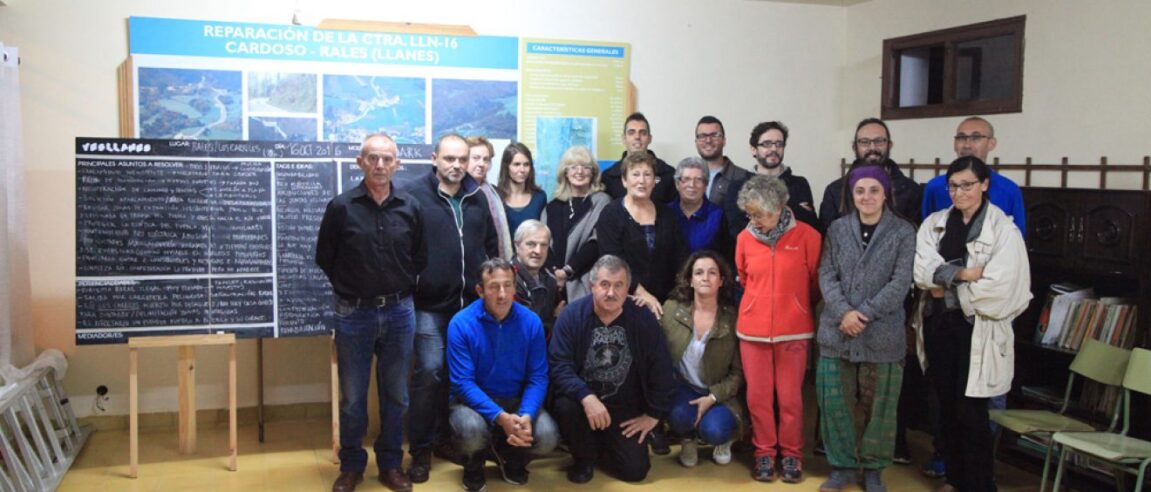
Neighbourhood decision-making, services and shared responsibility: Rales and Los Carriles call for renewed power to care for their villages.
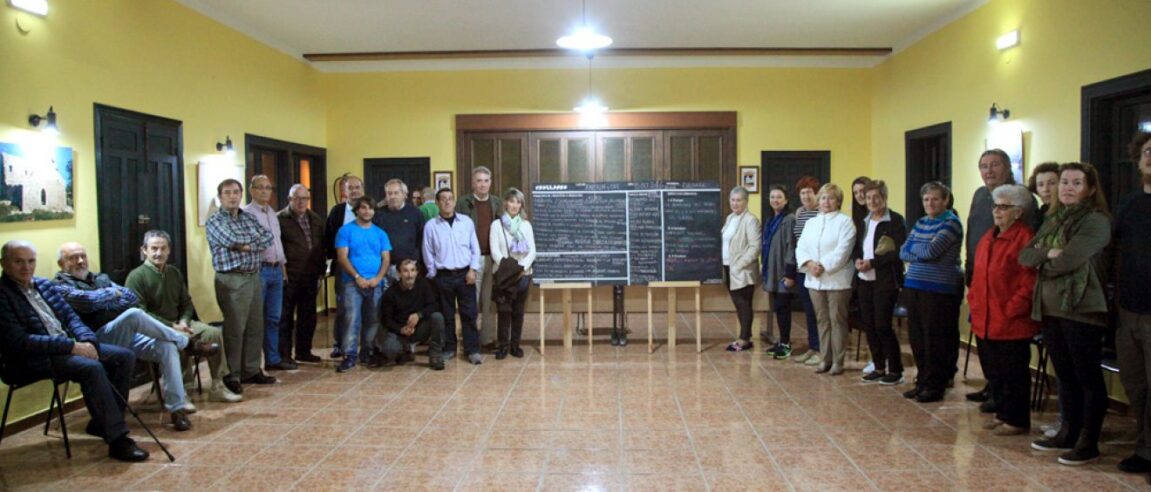
Rural or urban, village or destination: Cué and Andrín ask for clear rules to preserve tranquillity, services and coexistence.
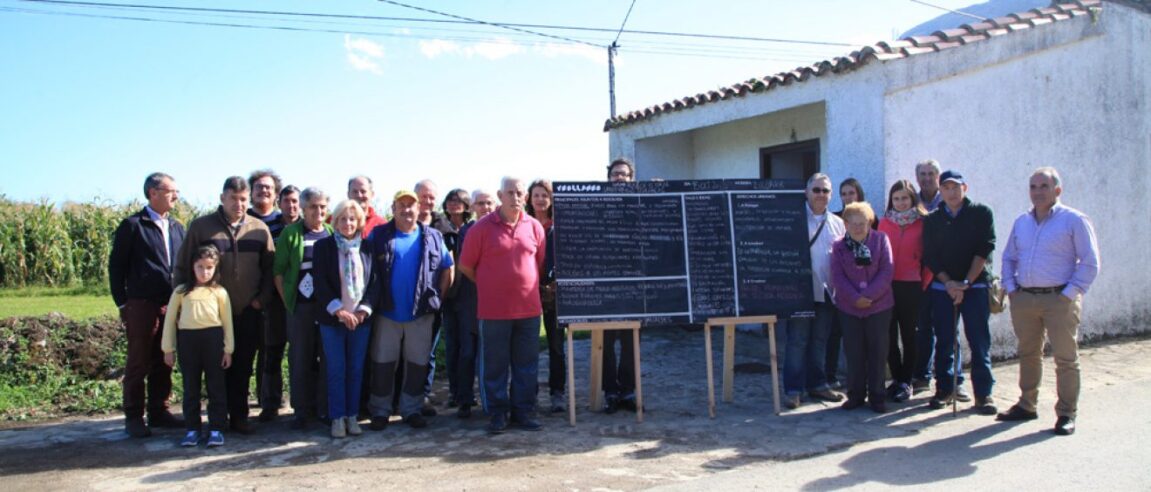
Terrain, farming and young people: Turanzas and Riusecu ask for planning based on the real land and for protection of a rural economy that still works.
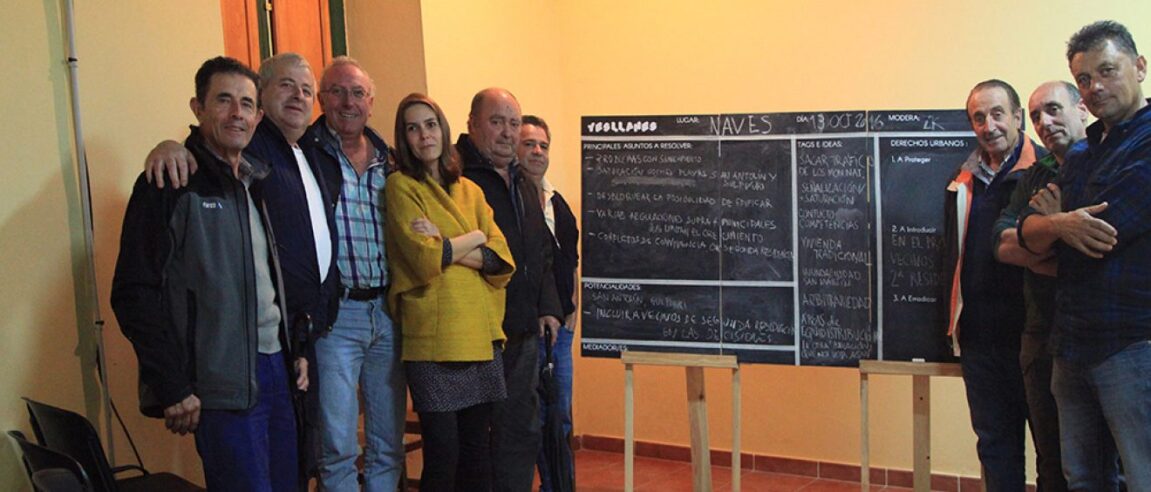
Tourism, traditional housing and seasonal participation: Naves and San Martín ask to unblock planning without reproducing arbitrariness.
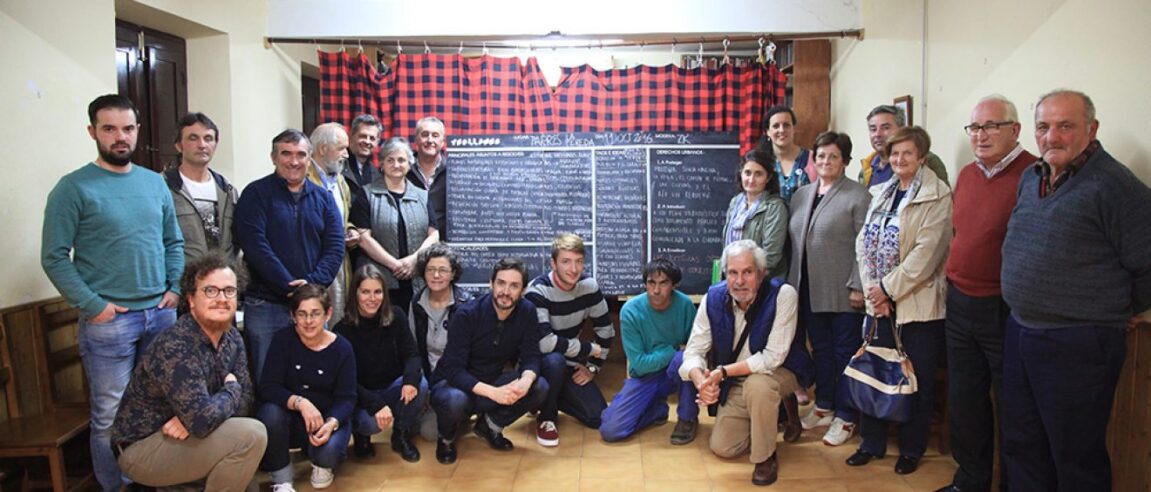
Rehabilitate before building: Parres, La Pereda and Bolao call for respectful, explained growth adjusted to village character.
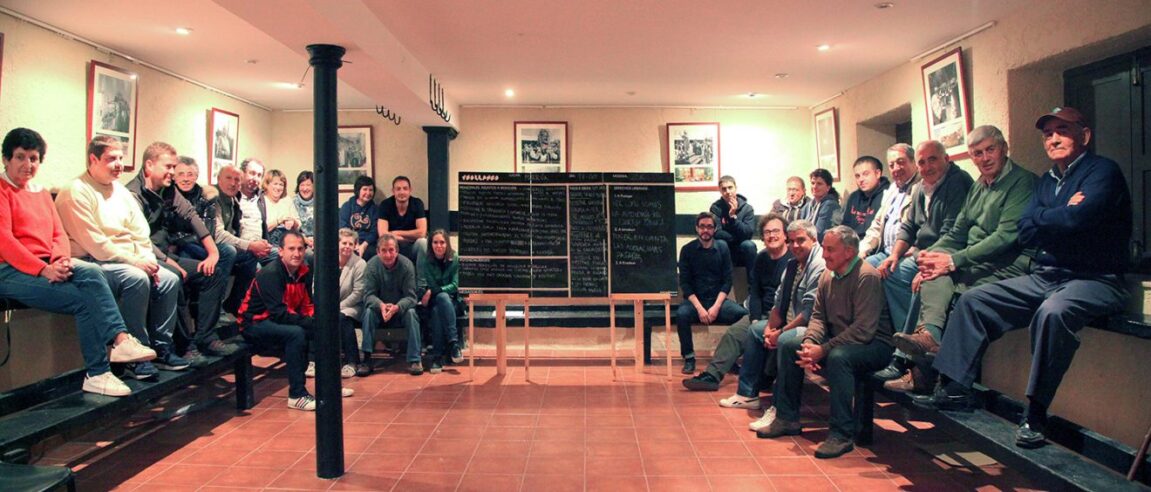
Farming, public councils and permanence: Porrúa asks for its objections to be heard and for living on farming plots to be made possible.
Year-round residents, equal rules and youth housing: Quintana, Balmori and Piedra call for planning that starts from those who live there.
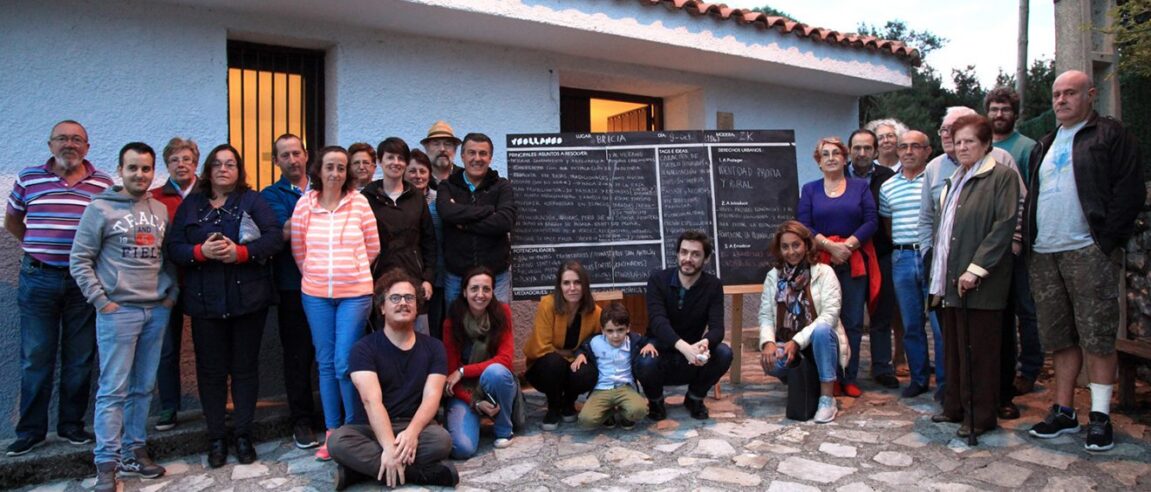
Own identity and clear boundaries: Bricia claims it is not a neighbourhood of Posada and asks for protection from speculative pressure.
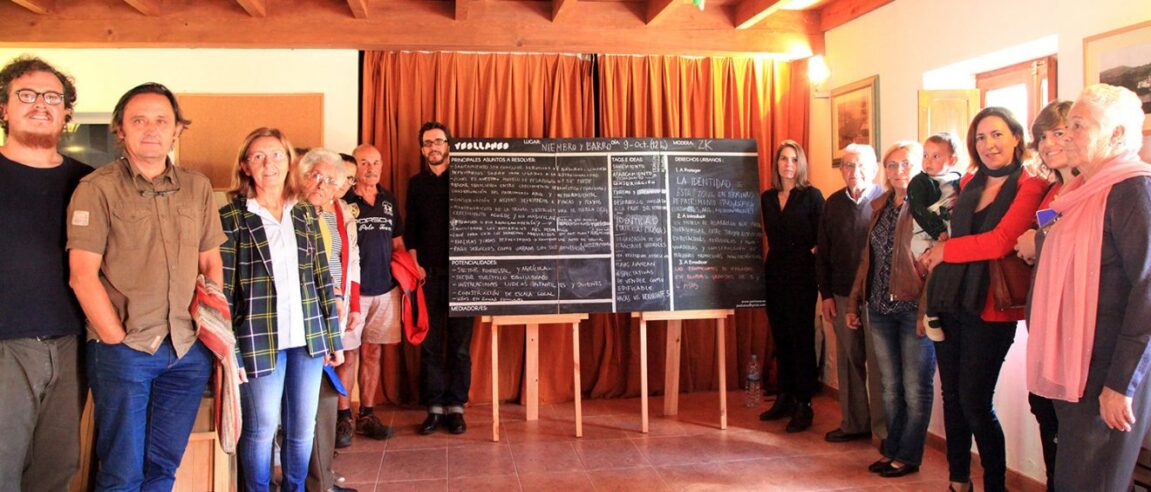
Tourism overcrowding and everyday life: Niembro and Barro call for balance between economy, landscape and residents’ wellbeing.
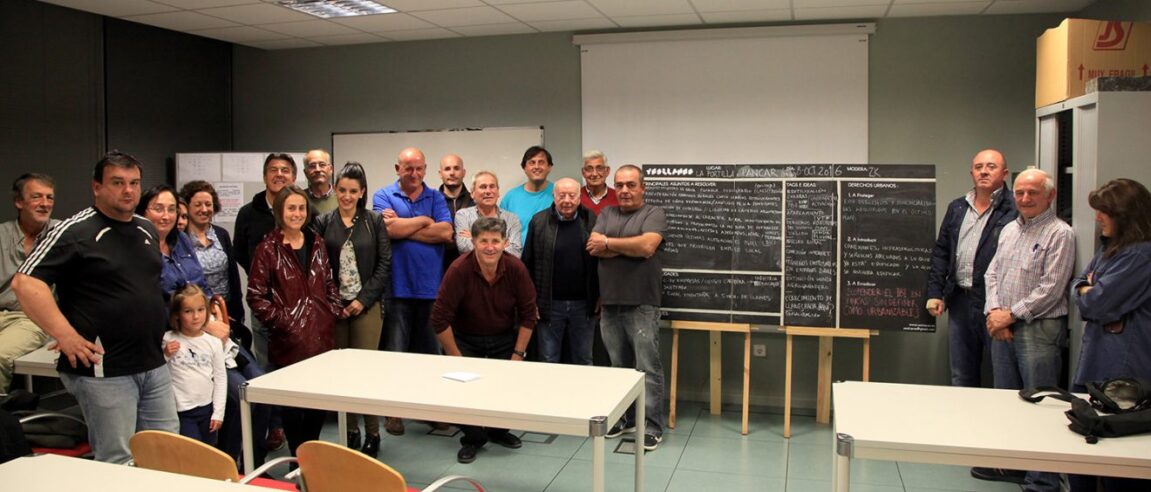
Typology, acquired rights and economic alternatives: La Portilla and Pancar open the debate on how to build Llanes’ future.
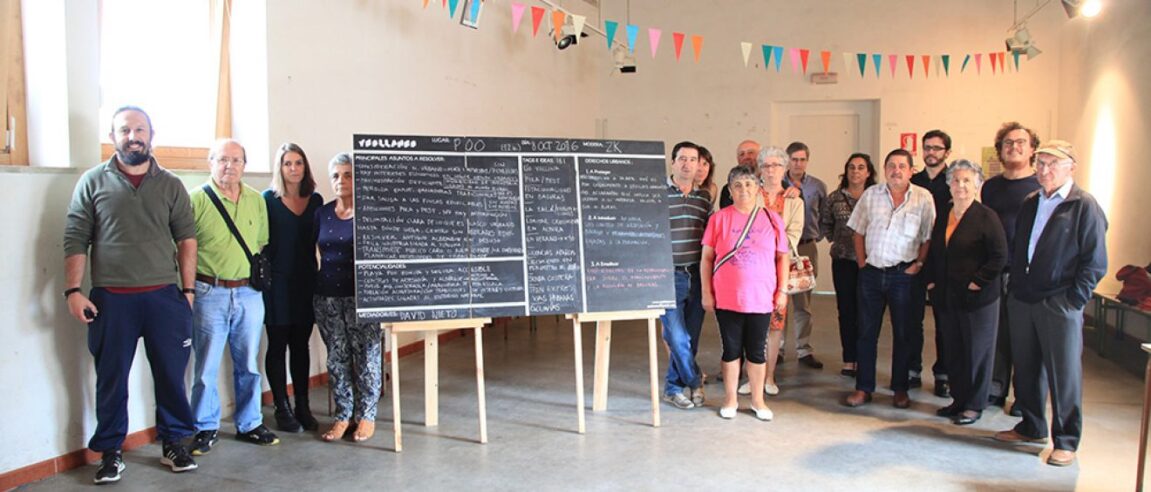
Urban status without urban services: Poo questions its classification and proposes diversifying its economy beyond tourism.
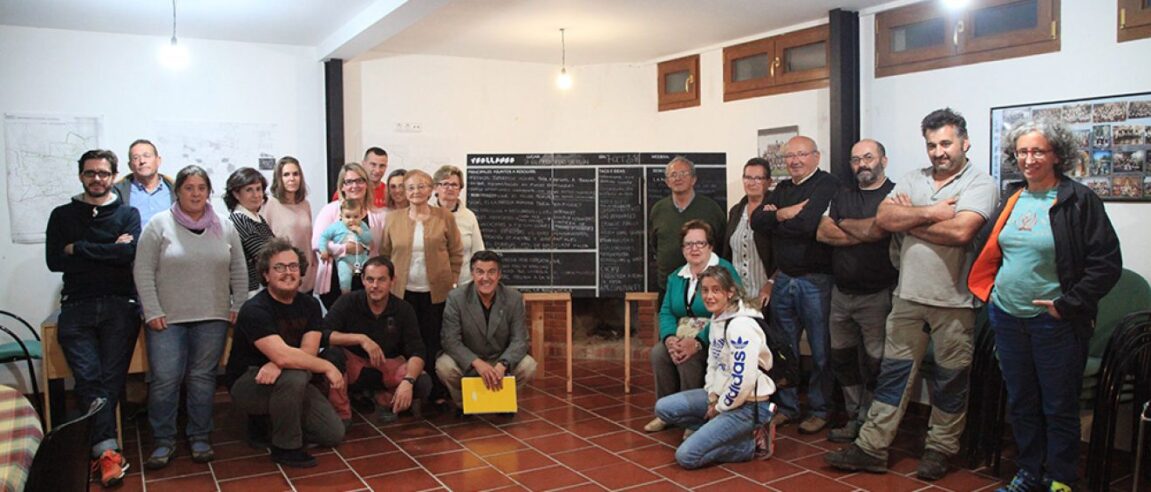
Plots, paths and low density: La Galguera and Soberrón defend a village form that does not want to become a dense development.
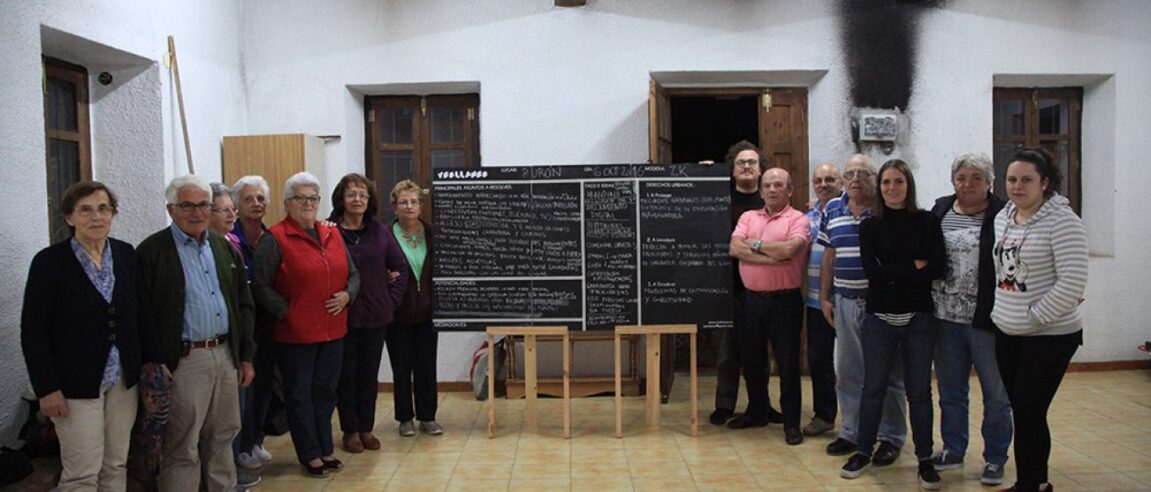
Twenty-first-century services in a mountain village: Purón calls for sanitation, connection and adapted rural rules to fight depopulation.
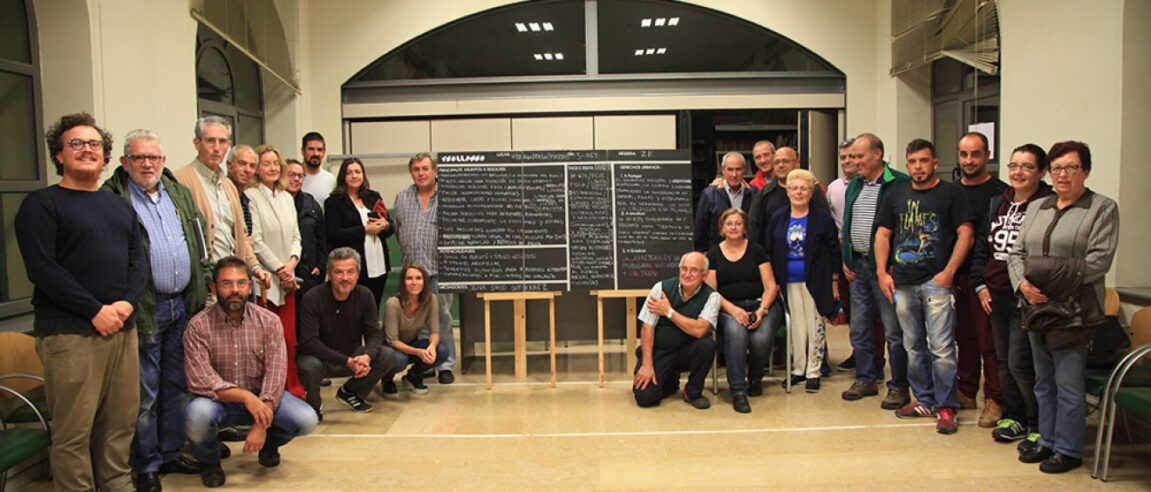
Between FEVE, motorway and coast: Vidiago, Riego and Puertas ask for clarity to grow and improve without being blocked by external infrastructure.
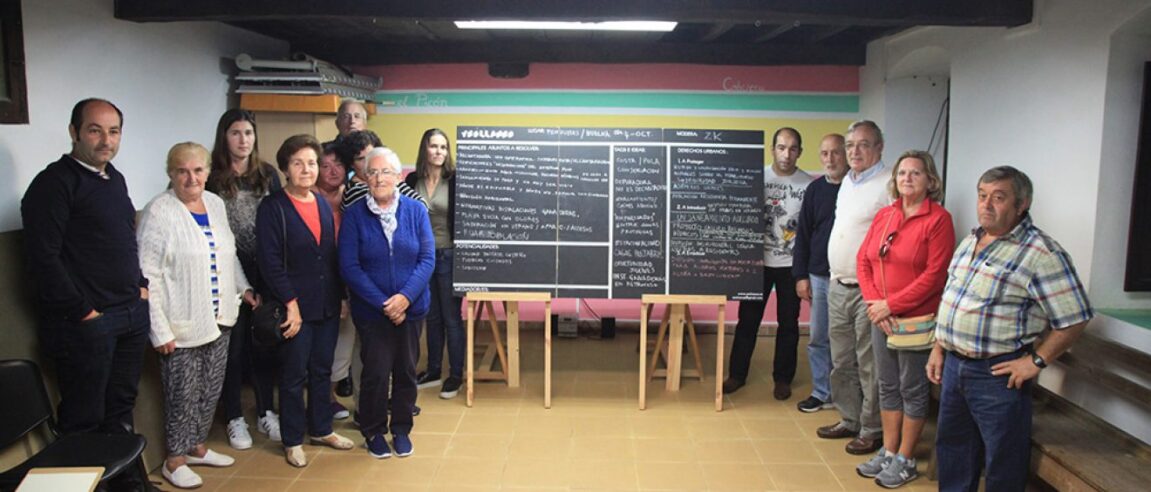
Pending sanitation and uncertain land: Pendueles and Buelna ask for clarity to remain in a territory caught between coast, mountains and motorway.
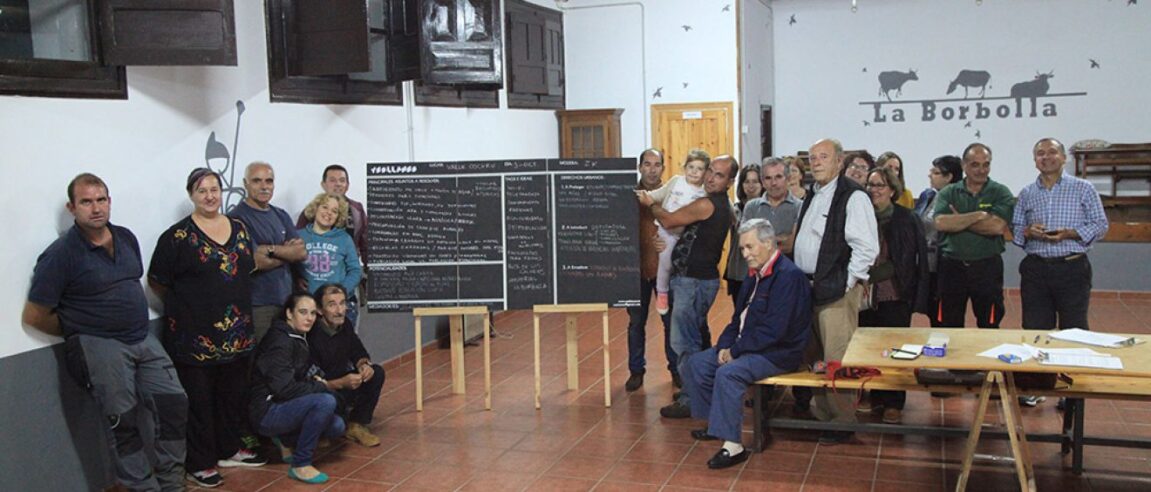
Sanitation, water and connection: Valle Oscuro opens the process by calling for basic services so that living in the valley remains possible.
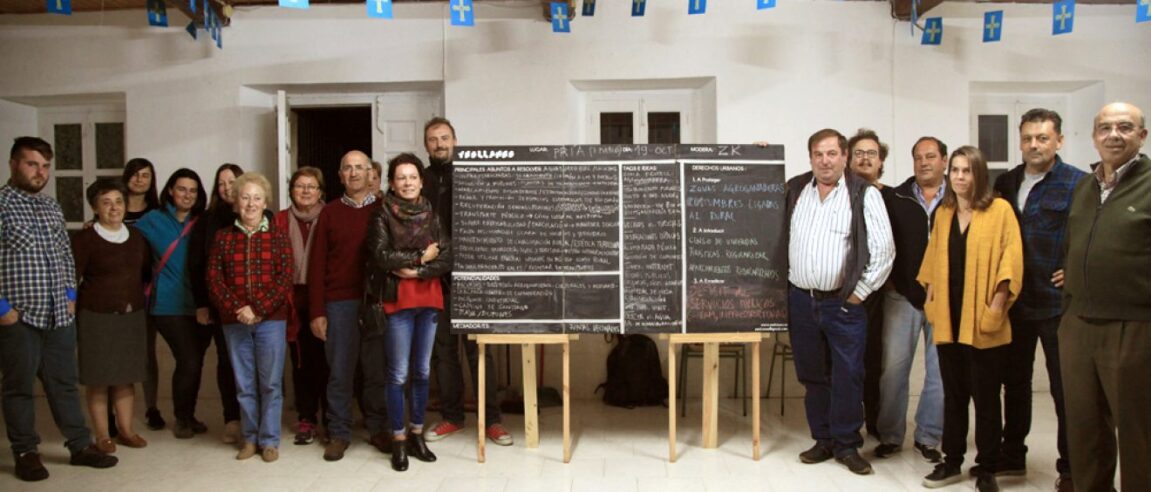
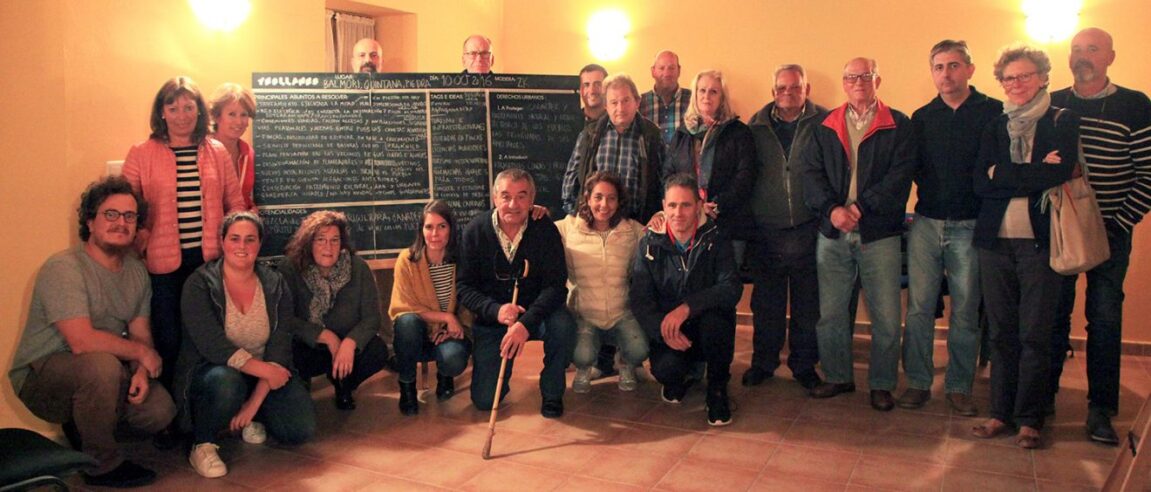
Pría, 19 Oct. 19:00h [Reunión 20/27] [Código: 20-P] Reunión celebrada en Escuelas de Pría. Convocados: Llames, Garaña, Villanueva, La Pesa, Silviella, Piñeres y Belmonte de Pría Asistentes: 21 Estos pueblos se encuentran en una zona de gran atractivo natural y ello comporta una lucha entre el proteccionismo y el beneficio turístico. Falta mejorar servicios de
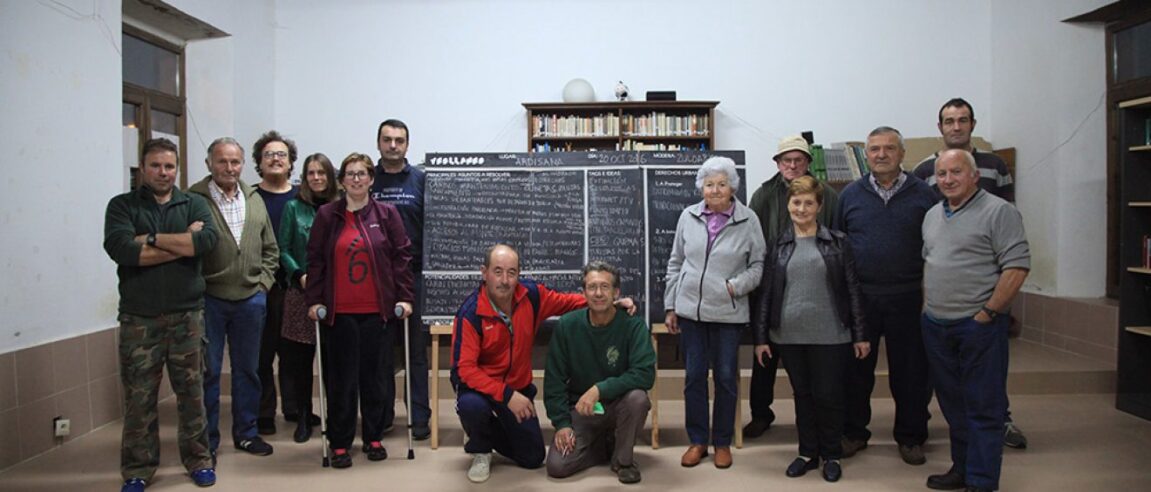
Isolation, services and permanence: Ardisana proposes mobile services to sustain social life in the most remote villages.
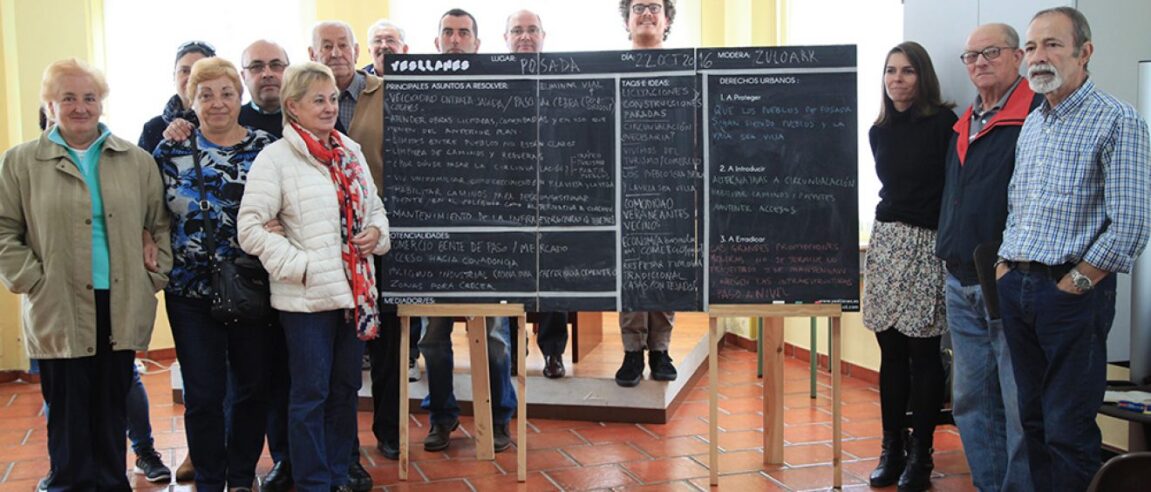
A commercial hub and transit point: Posada calls for stronger infrastructure and unfinished housing to be addressed before further growth.
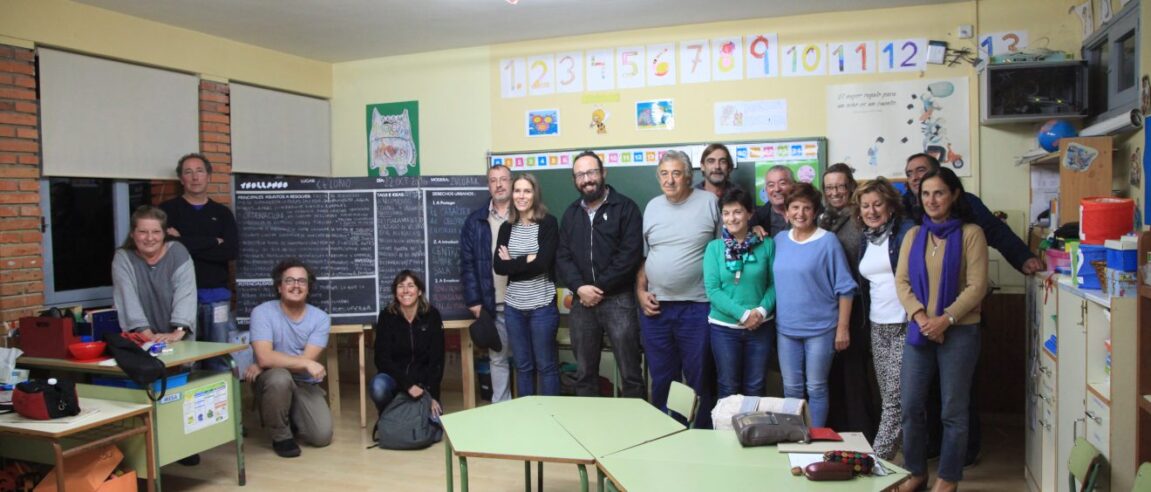
Venue: Casa de Conceyu de CelorioParticipants: 30 The Celorio meeting brought a strong contradiction to the surface: the village was classified as urban in the previous plan and now pays urban property tax, yet it still lacks essential services. The discussion described a territory under construction and tourism pressure before its structural needs have been
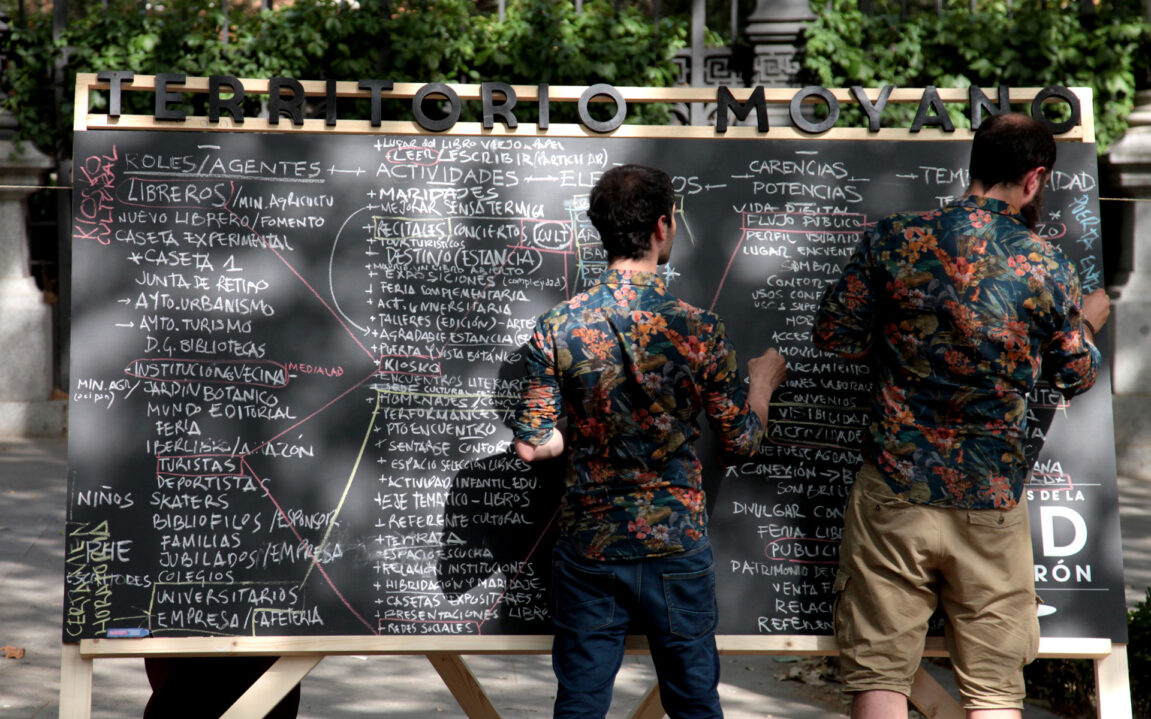
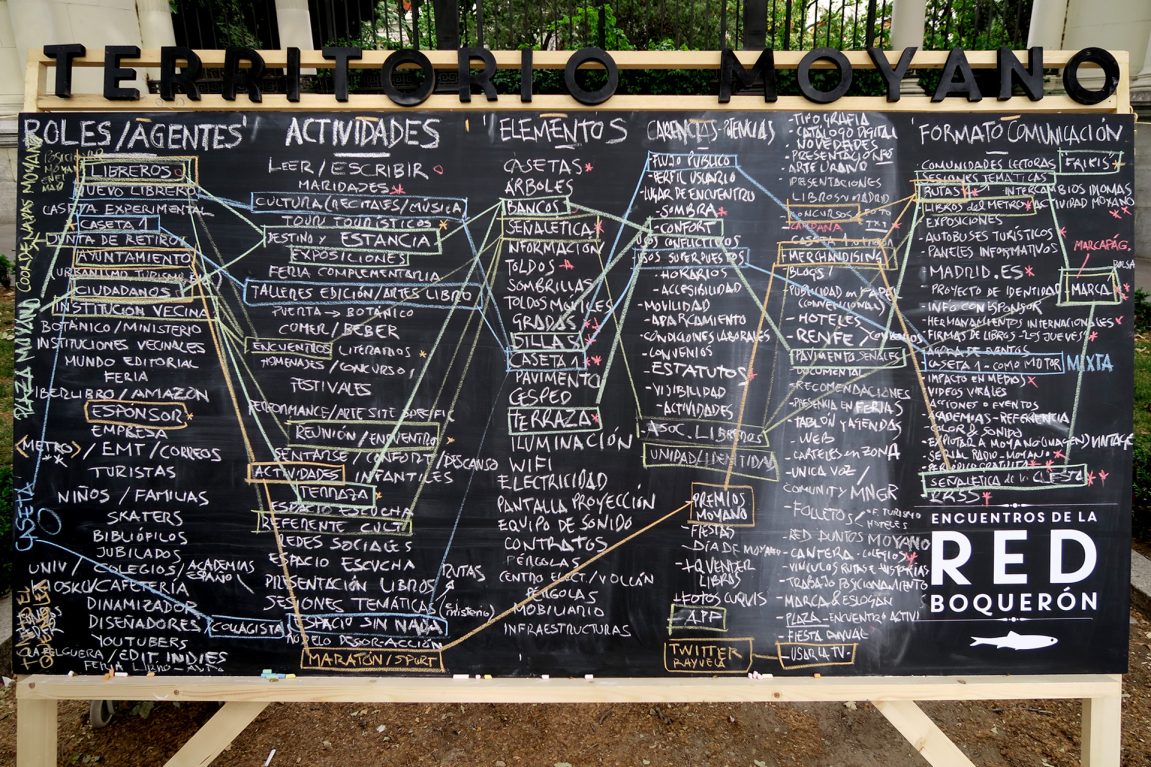
Territorio Moyano revitalizes Madrid’s Cuesta de Moyano as an outdoor cultural and reading space through a co-design process involving citizens and the Administration. It transforms this historic venue into a dynamic, community-driven area for book and culture enthusiasts. With about 70 participants including booksellers, local administration, and cultural agents, it fosters innovation in urbanism and social change. This project exemplifies how public spaces can creatively engage history, future, and sustainability.
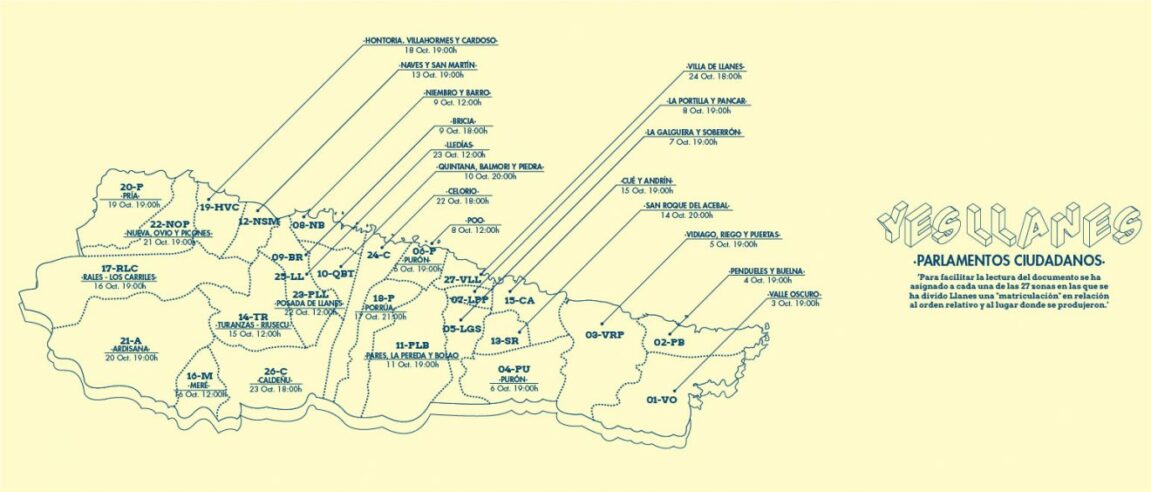
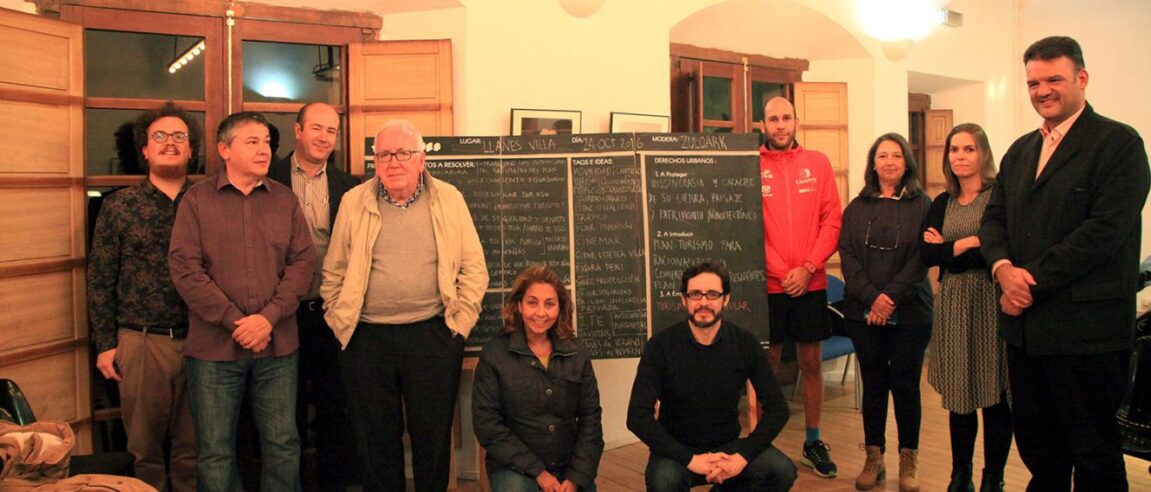
Strategic plan to introduce citizen participation in identifying future challenges for the council of Llanes (Asturias) and to guide the drafting of its new Urban Planning Document through a cycle of parliamentary sessions in the villages, reviving the tradition of communal meetings in the form of public rural councils.