Residentes habituales, reglas iguales y vivienda joven: Quintana, Balmori y Piedra reclaman una planificación que empiece por quienes viven allí.
Quintana, Balmori and Piedra
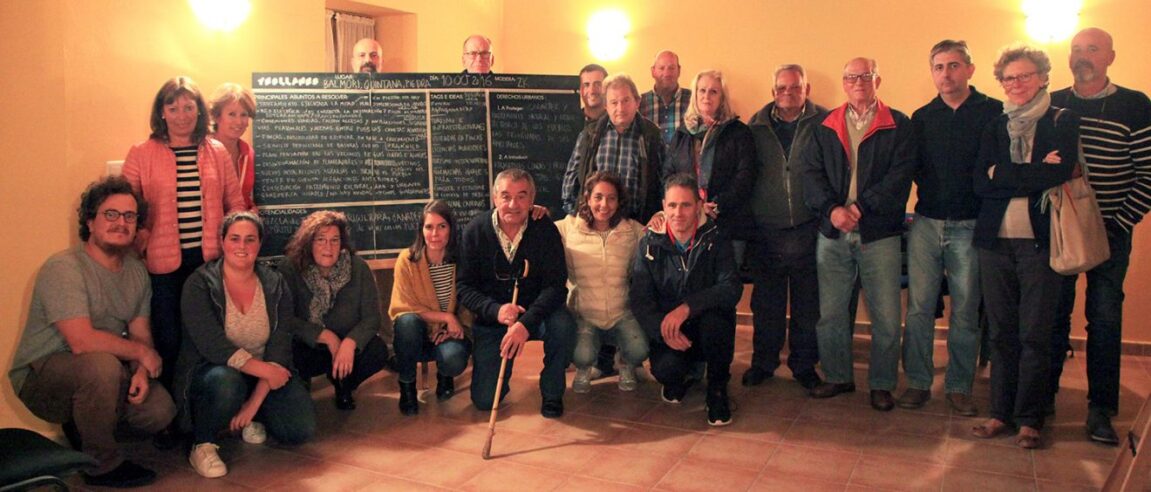
Residentes habituales, reglas iguales y vivienda joven: Quintana, Balmori y Piedra reclaman una planificación que empiece por quienes viven allí.
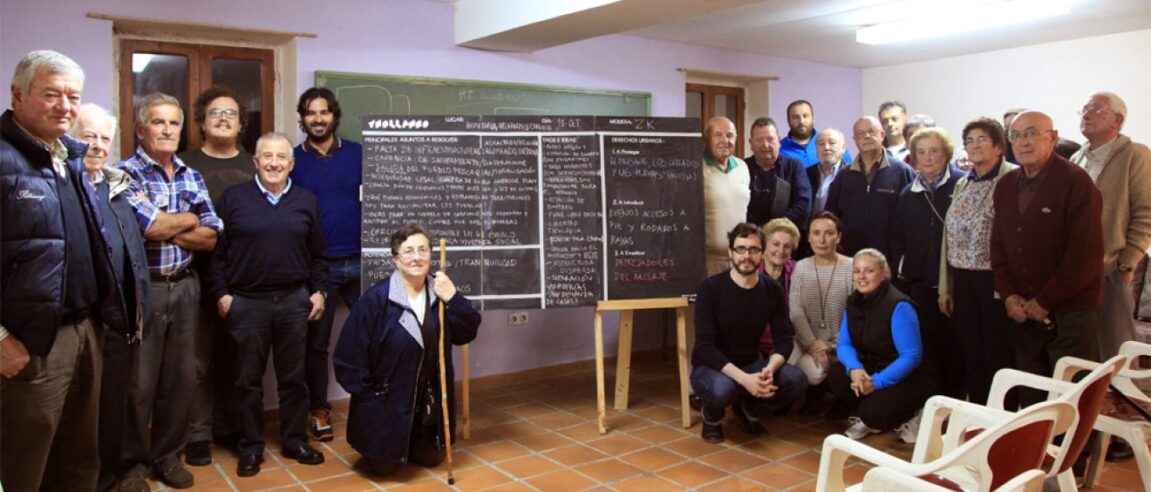
Typologies, evolution and development: Hontoria, Villahormes and Cardoso debate whether to revive the previous model or imagine another future for their villages.
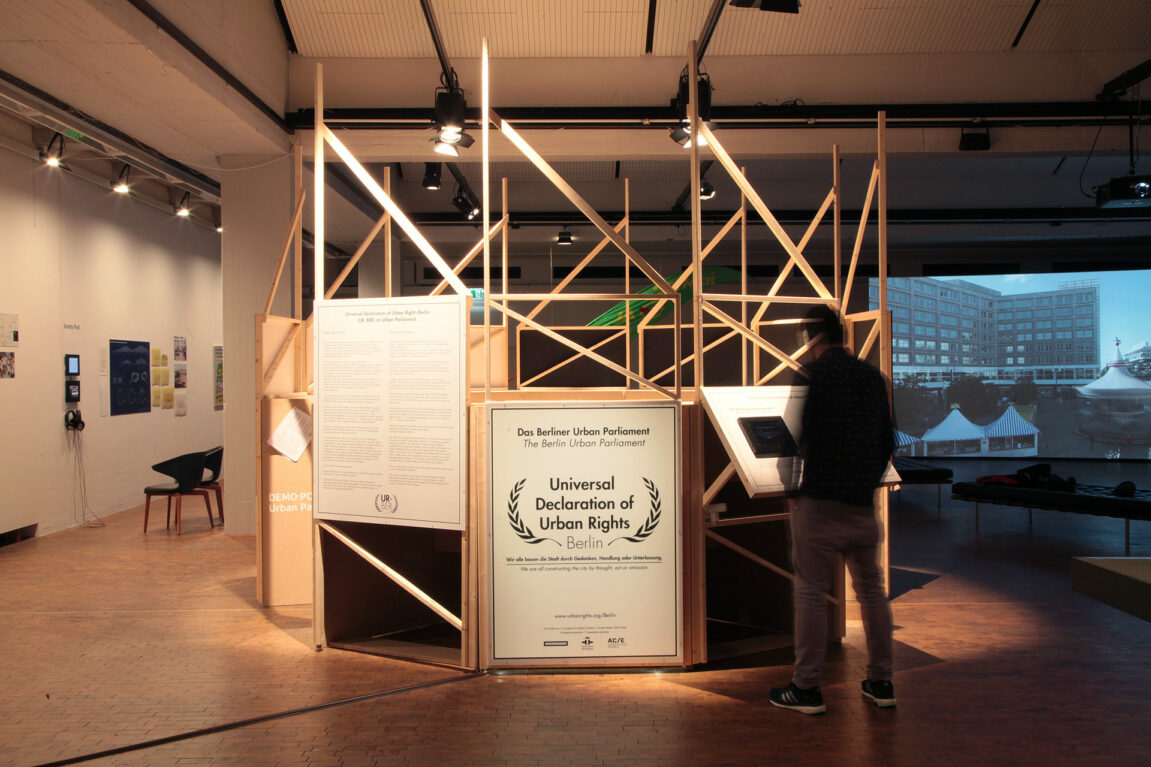
What do we residents know about our city? Which plots belong to the public sector and who are the decision takers? How is the allocation of public land handled and on what terms? How are potential profits, quality of planned utilization, concepts and public good weighed in the decision process? How can information on public
What if the whole city would be “common”? How would the public space be designed and used when the common good is a priority – and by whom? Are welfare and commercial exploitation compatible interests? What are the opportunities and where the obstacles in organizing communal use? What public resources should be provided? How could
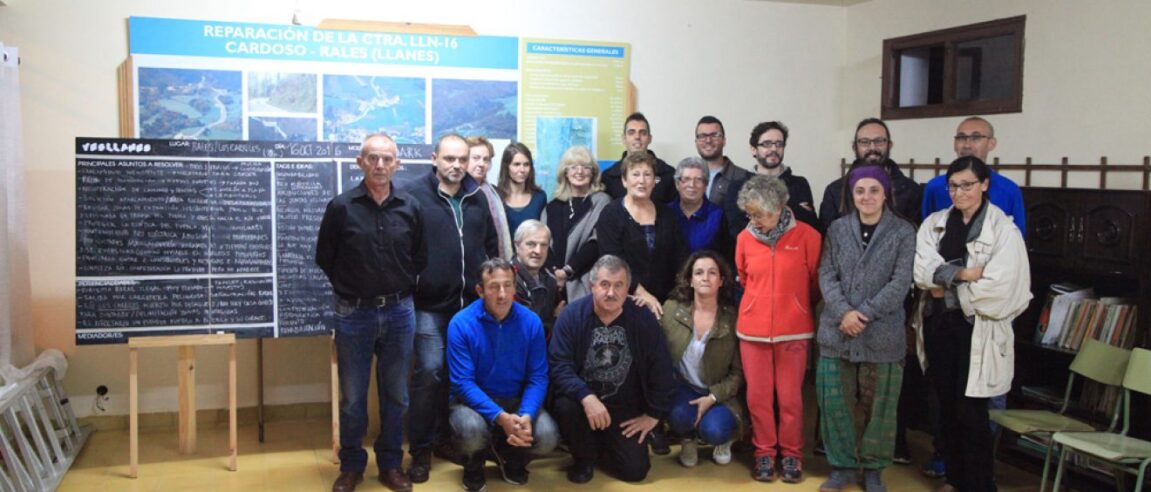
Neighbourhood decision-making, services and shared responsibility: Rales and Los Carriles call for renewed power to care for their villages.
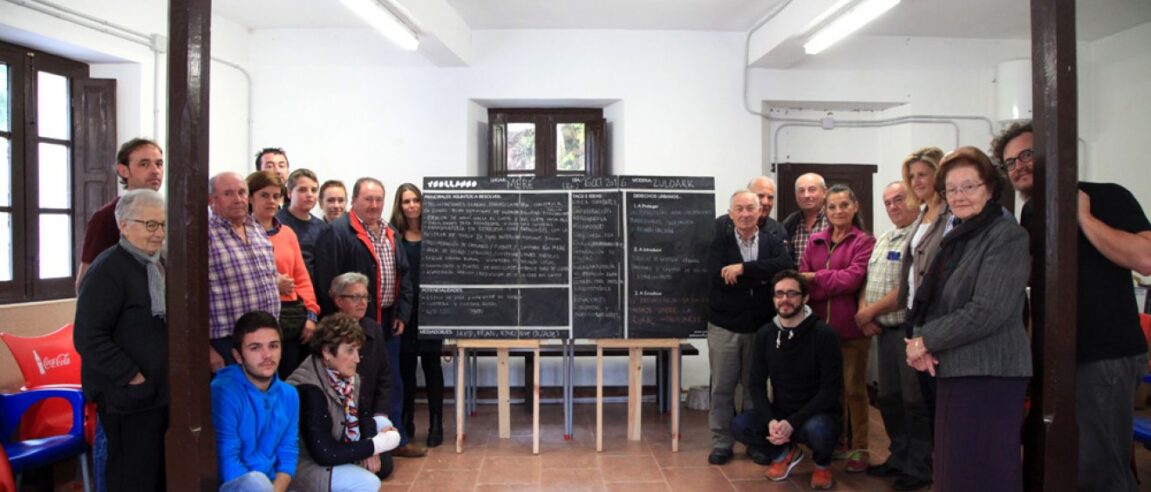
Clear maps, rivers and rurality: Meré asks to remain a village and to plan from real knowledge of the territory.
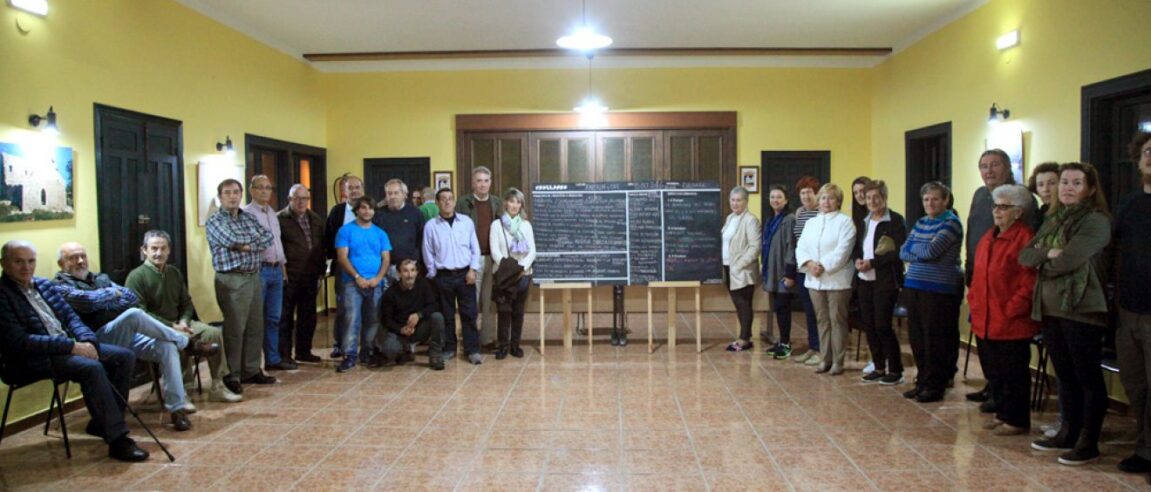
Rural or urban, village or destination: Cué and Andrín ask for clear rules to preserve tranquillity, services and coexistence.
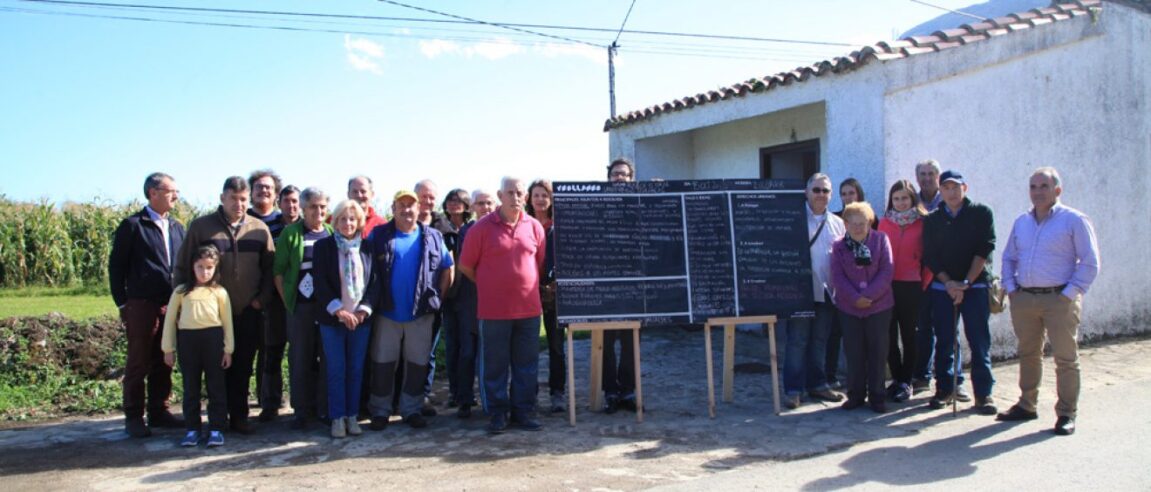
Terrain, farming and young people: Turanzas and Riusecu ask for planning based on the real land and for protection of a rural economy that still works.
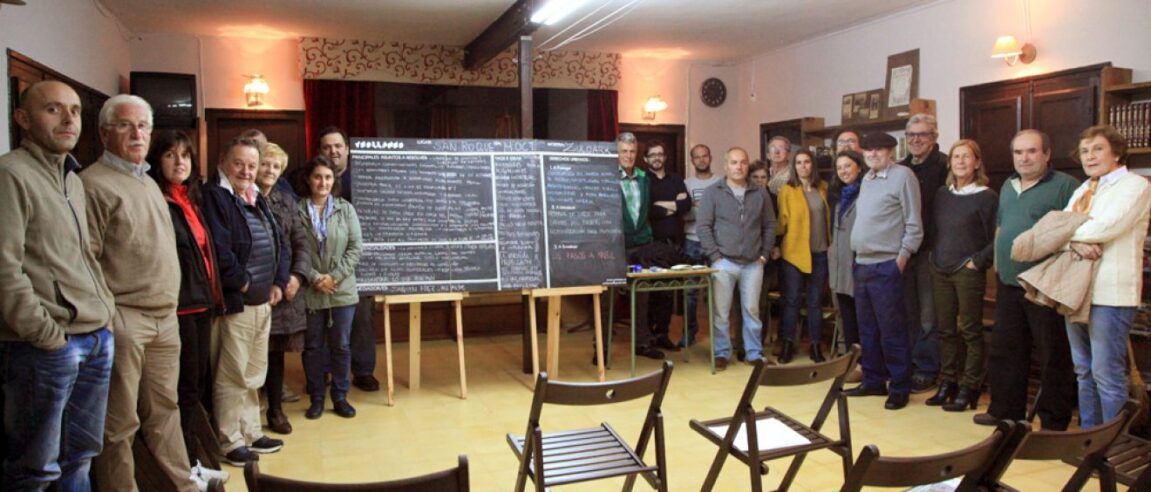
Industry, employment and village character: San Roque seeks growth without damaging the centre or residents’ quality of life.
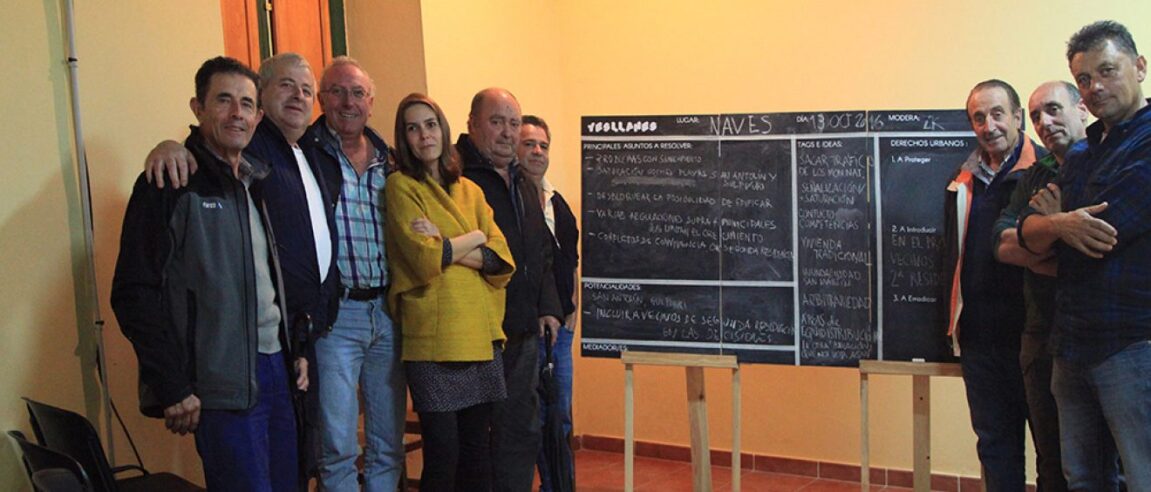
Tourism, traditional housing and seasonal participation: Naves and San Martín ask to unblock planning without reproducing arbitrariness.
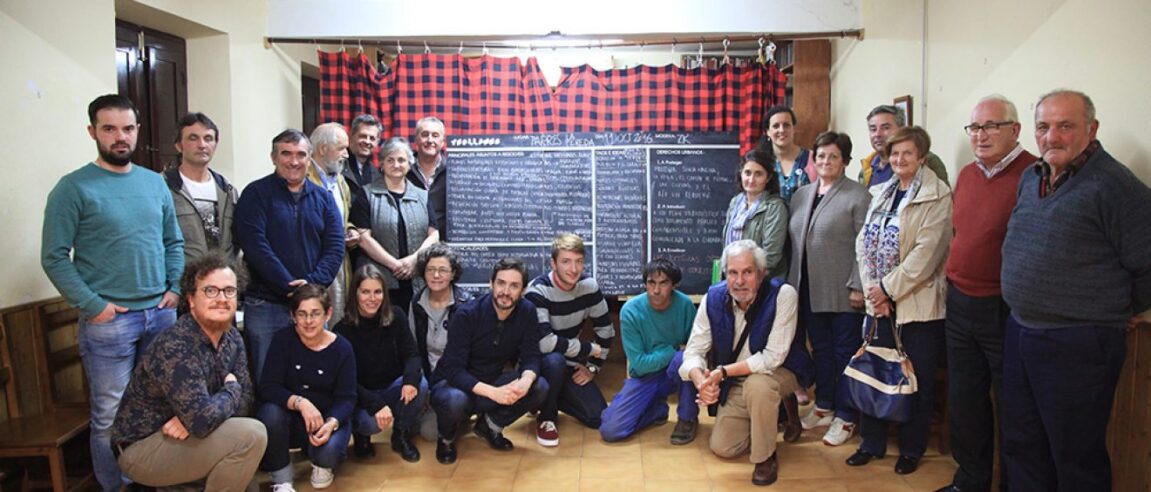
Rehabilitate before building: Parres, La Pereda and Bolao call for respectful, explained growth adjusted to village character.
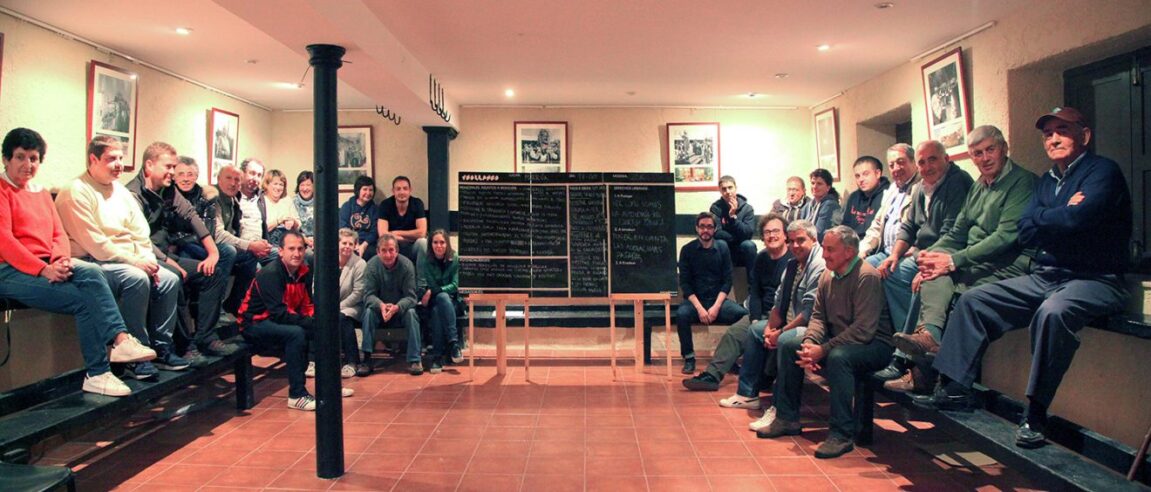
Farming, public councils and permanence: Porrúa asks for its objections to be heard and for living on farming plots to be made possible.
Year-round residents, equal rules and youth housing: Quintana, Balmori and Piedra call for planning that starts from those who live there.
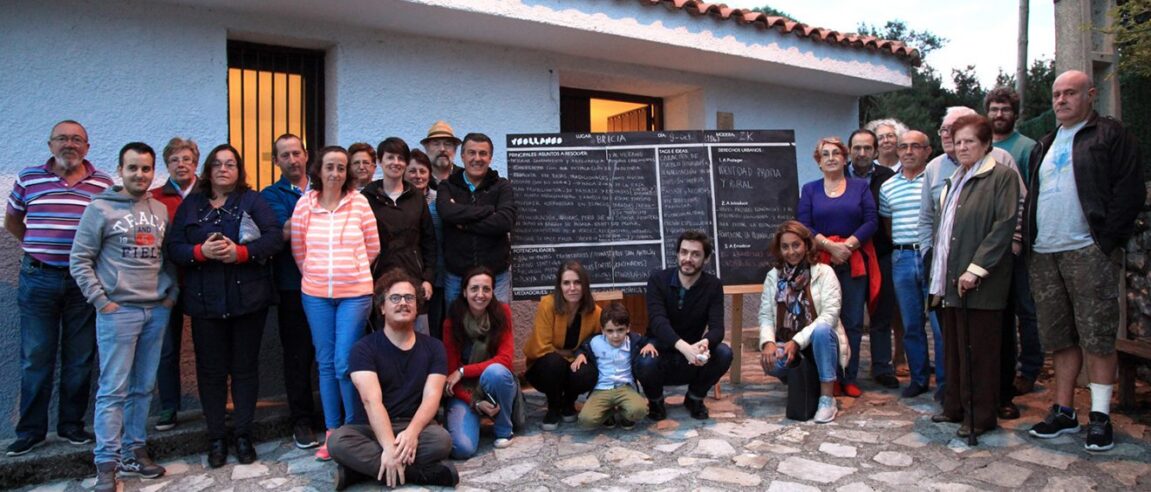
Own identity and clear boundaries: Bricia claims it is not a neighbourhood of Posada and asks for protection from speculative pressure.
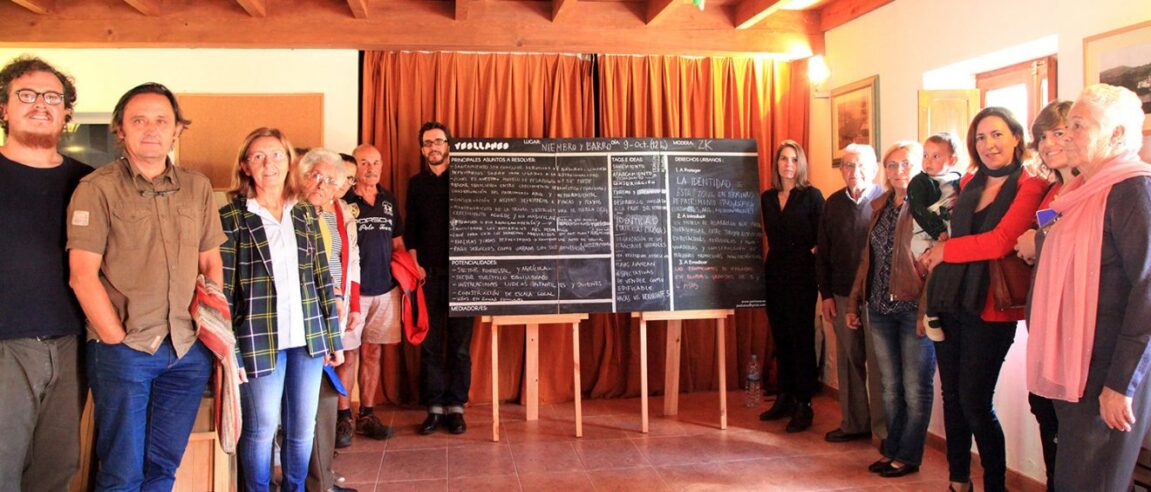
Tourism overcrowding and everyday life: Niembro and Barro call for balance between economy, landscape and residents’ wellbeing.
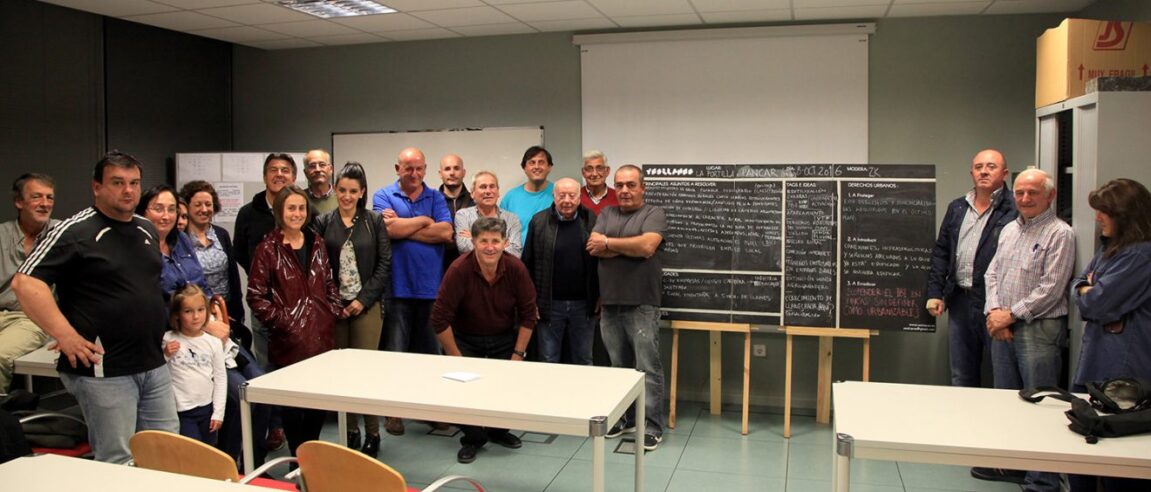
Typology, acquired rights and economic alternatives: La Portilla and Pancar open the debate on how to build Llanes’ future.
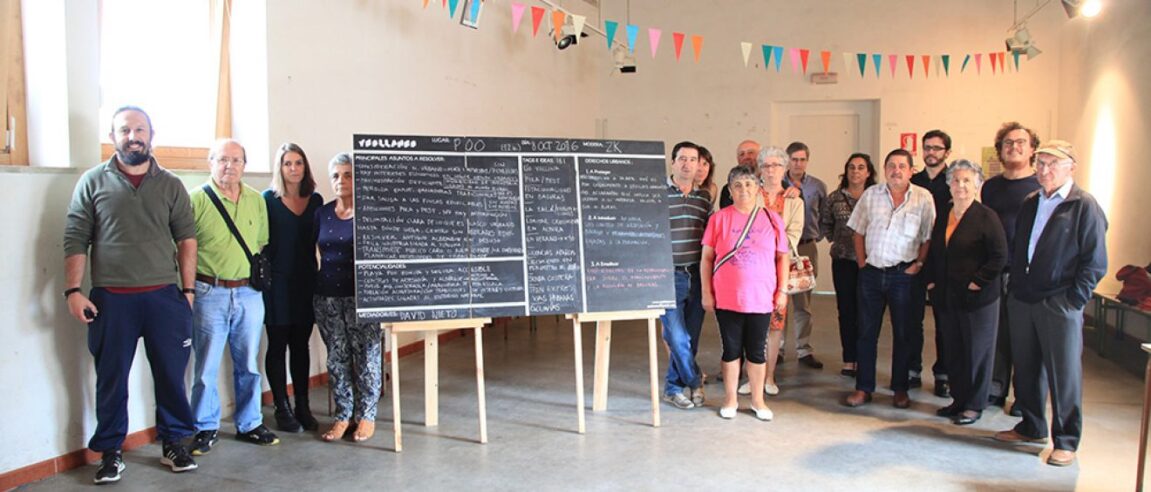
Urban status without urban services: Poo questions its classification and proposes diversifying its economy beyond tourism.
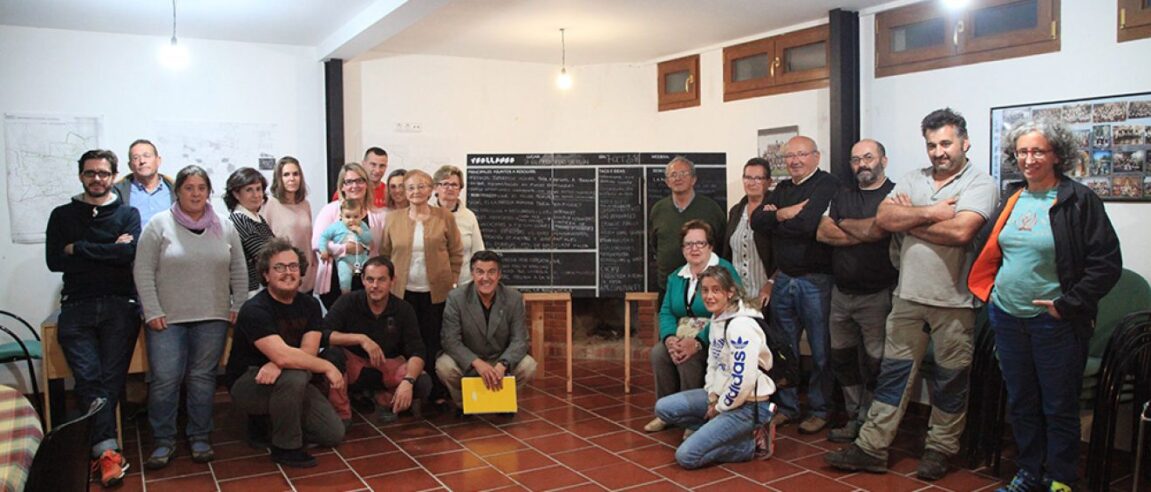
Plots, paths and low density: La Galguera and Soberrón defend a village form that does not want to become a dense development.
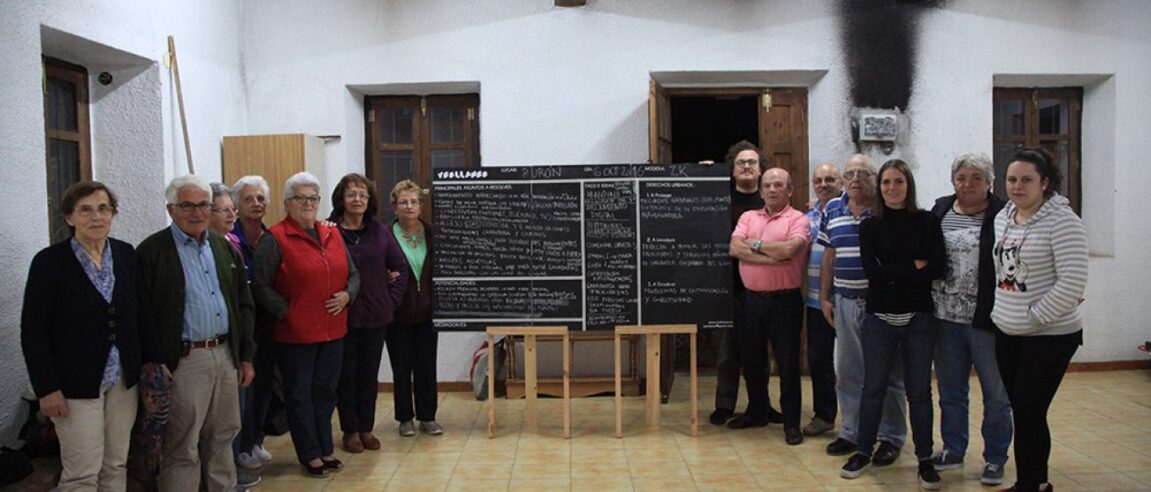
Twenty-first-century services in a mountain village: Purón calls for sanitation, connection and adapted rural rules to fight depopulation.
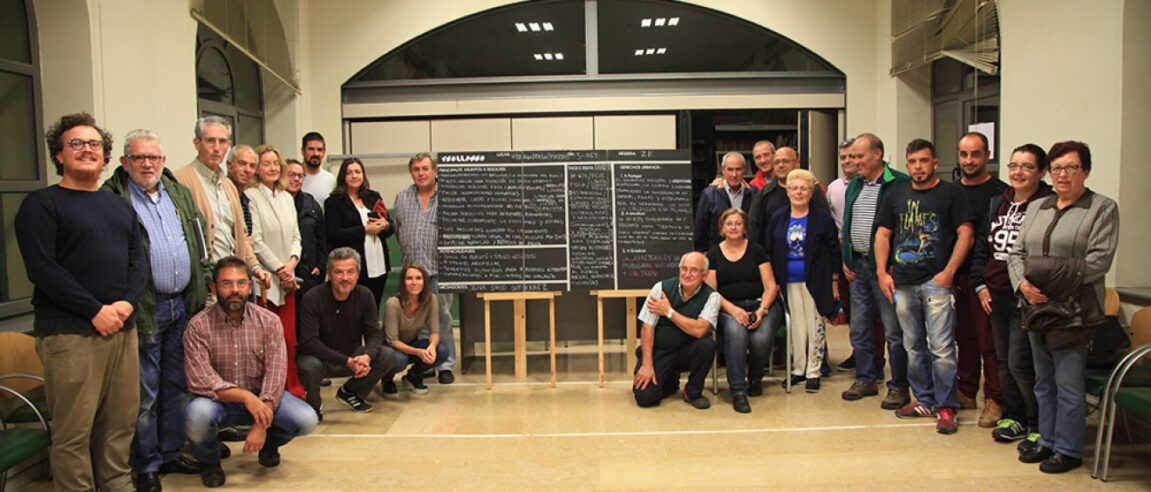
Between FEVE, motorway and coast: Vidiago, Riego and Puertas ask for clarity to grow and improve without being blocked by external infrastructure.
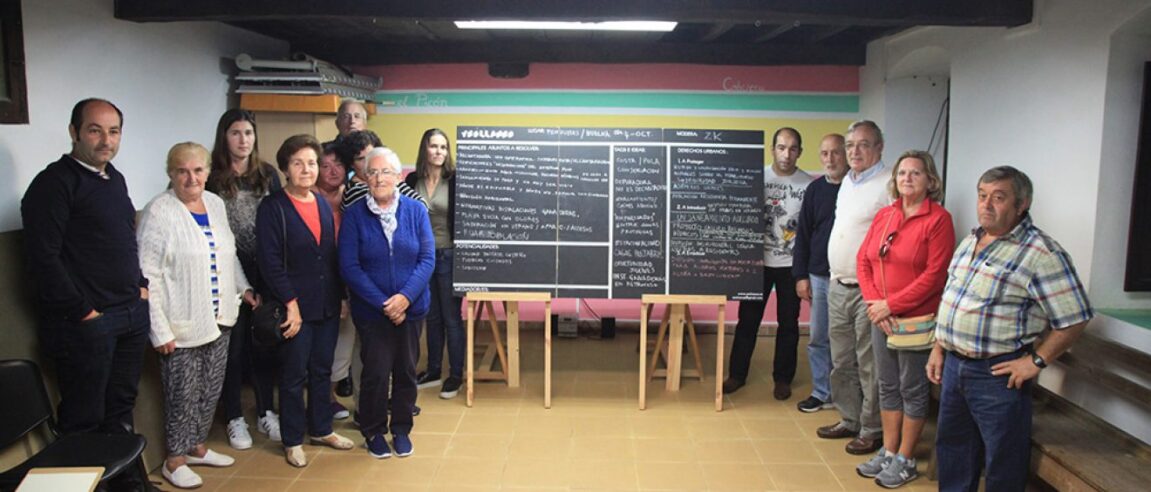
Pending sanitation and uncertain land: Pendueles and Buelna ask for clarity to remain in a territory caught between coast, mountains and motorway.
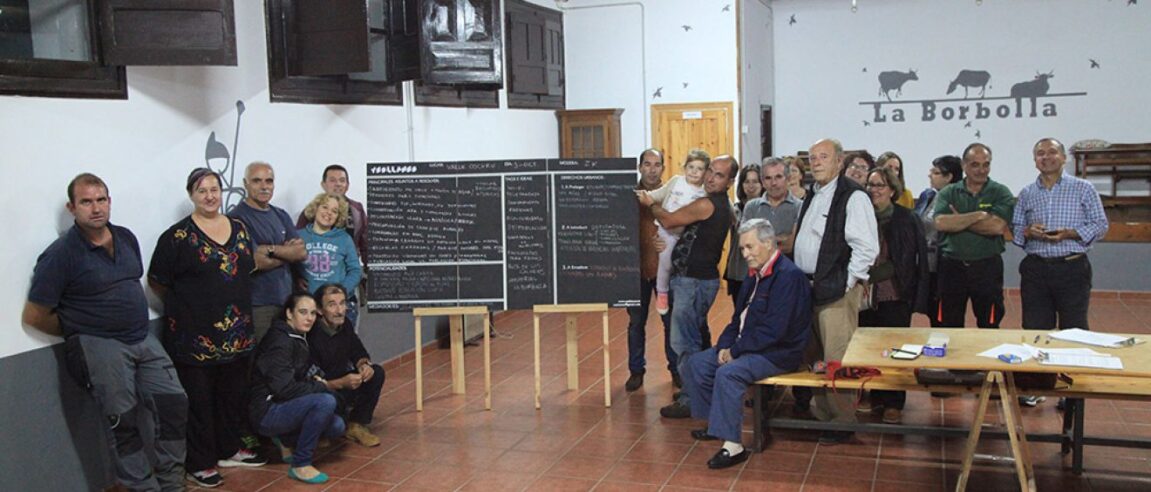
Sanitation, water and connection: Valle Oscuro opens the process by calling for basic services so that living in the valley remains possible.
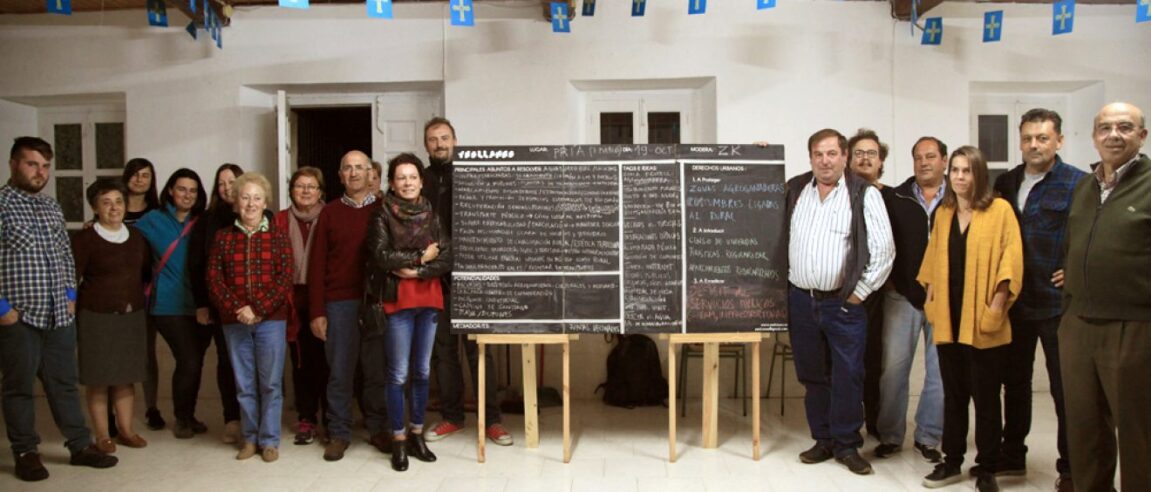
Pría, 19 Oct. 19:00h [Reunión 20/27] [Código: 20-P] Reunión celebrada en Escuelas de Pría. Convocados: Llames, Garaña, Villanueva, La Pesa, Silviella, Piñeres y Belmonte de Pría Asistentes: 21 Estos pueblos se encuentran en una zona de gran atractivo natural y ello comporta una lucha entre el proteccionismo y el beneficio turístico. Falta mejorar servicios de
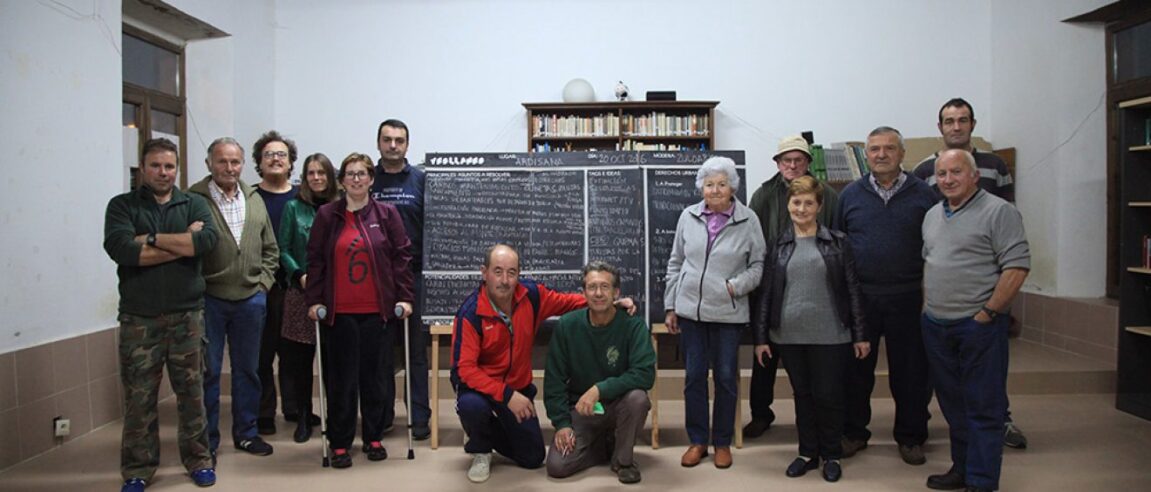
Isolation, services and permanence: Ardisana proposes mobile services to sustain social life in the most remote villages.
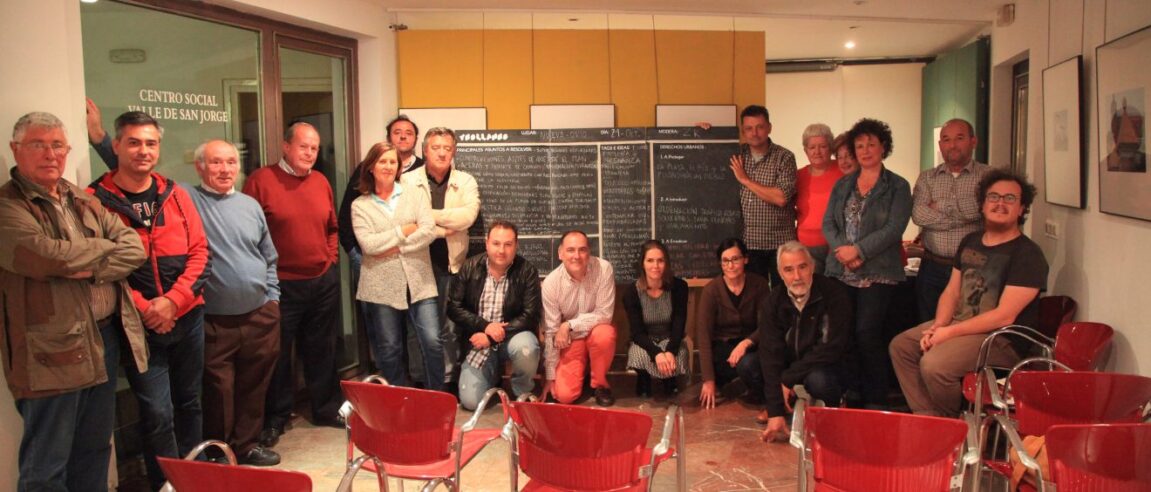
Construction, employment and local identity: Nueva, Ovio and Picones seek to organise growth without breaking the character of the place.
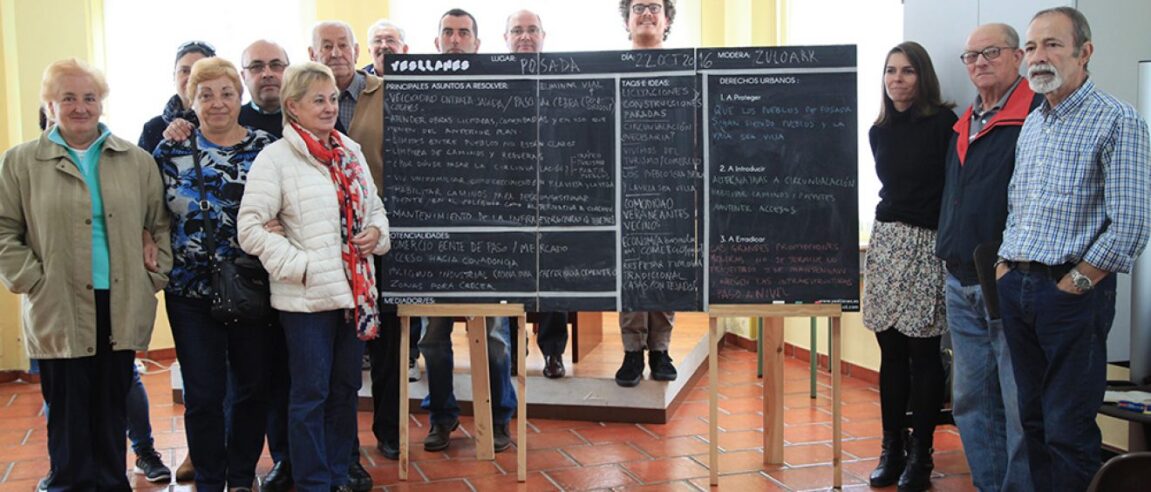
A commercial hub and transit point: Posada calls for stronger infrastructure and unfinished housing to be addressed before further growth.
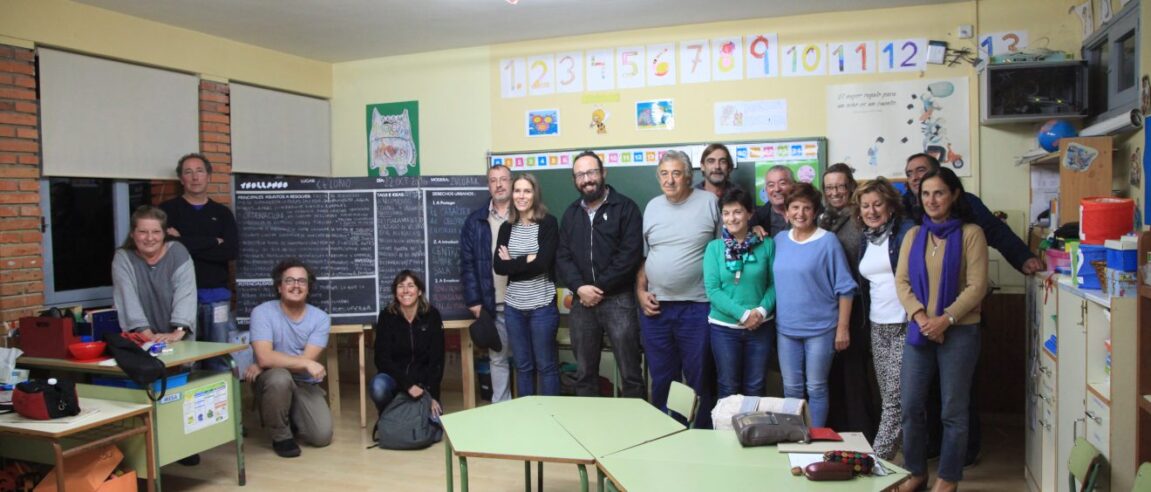
Venue: Casa de Conceyu de CelorioParticipants: 30 The Celorio meeting brought a strong contradiction to the surface: the village was classified as urban in the previous plan and now pays urban property tax, yet it still lacks essential services. The discussion described a territory under construction and tourism pressure before its structural needs have been
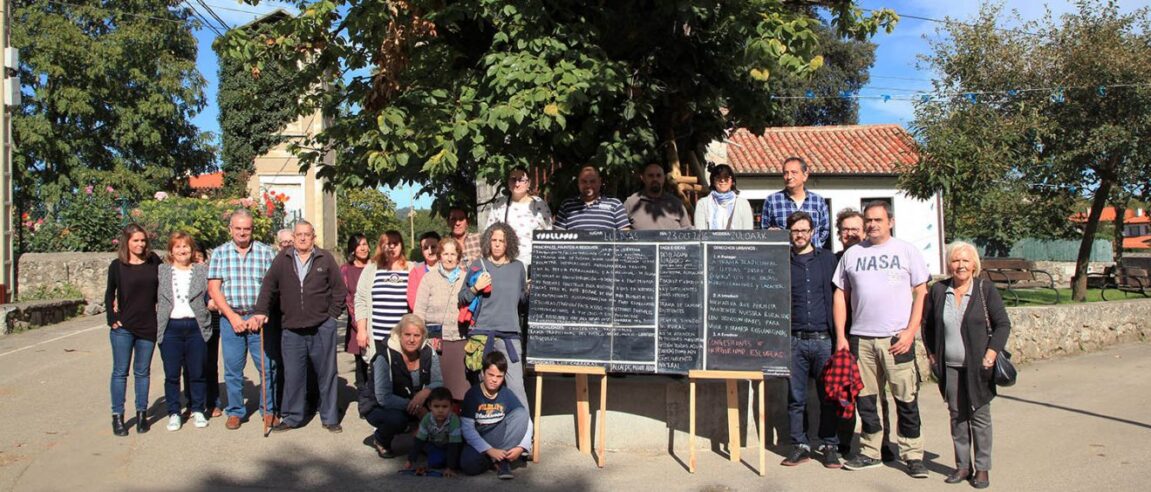
Property, sanitation and the preservation of village structure: Lledías calls for clear answers, protection of its rural fabric and conditions that make it possible to remain.
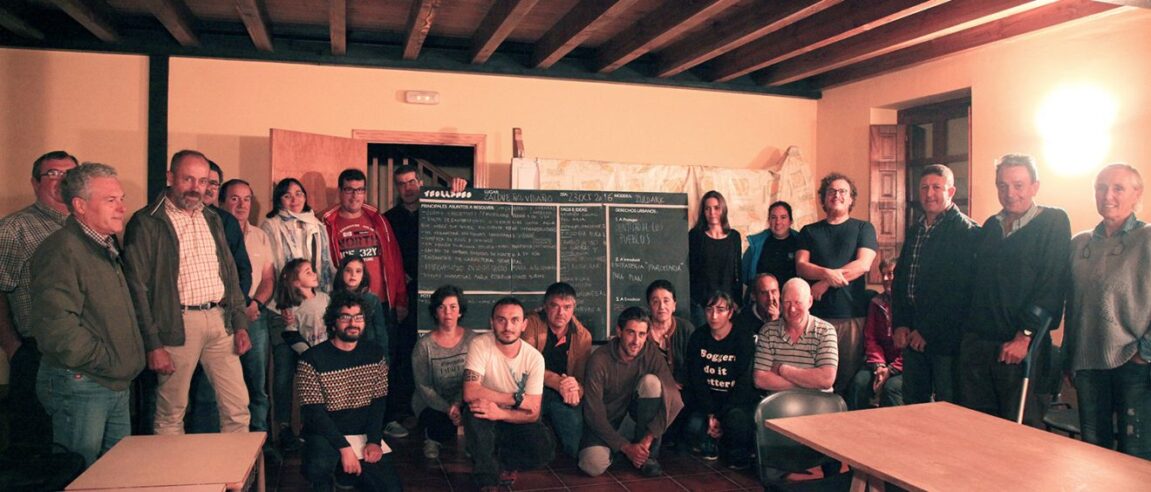
Rehabilitation, rural uses and local economy: Caldueño Valley reflects on how to keep the territory alive through more flexible regulations and diversified activities.
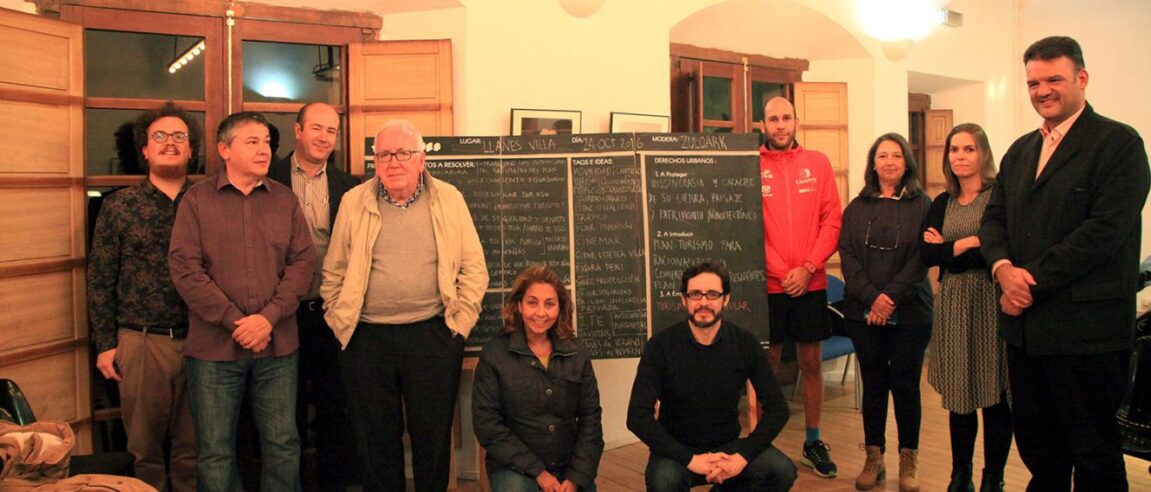
Tourism, traffic and economic diversification: Villa de Llanes reflects on how to balance everyday life with the long-term future of the municipality.
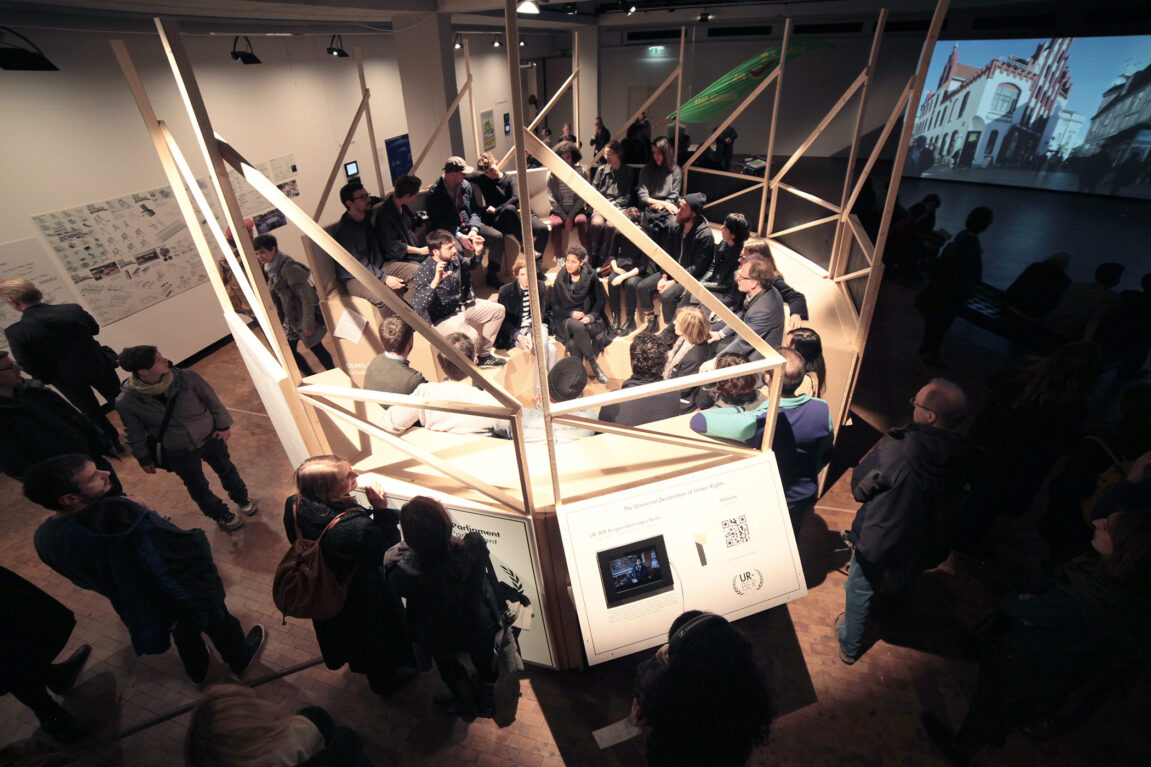
(Ur:be) Special video for DEMO:POLIS (12 March until 29 May, 2016) (DE/ENG) URL: http://berlin.urbanrights.org/ UR_Archive: Lista de reproducción Youtube
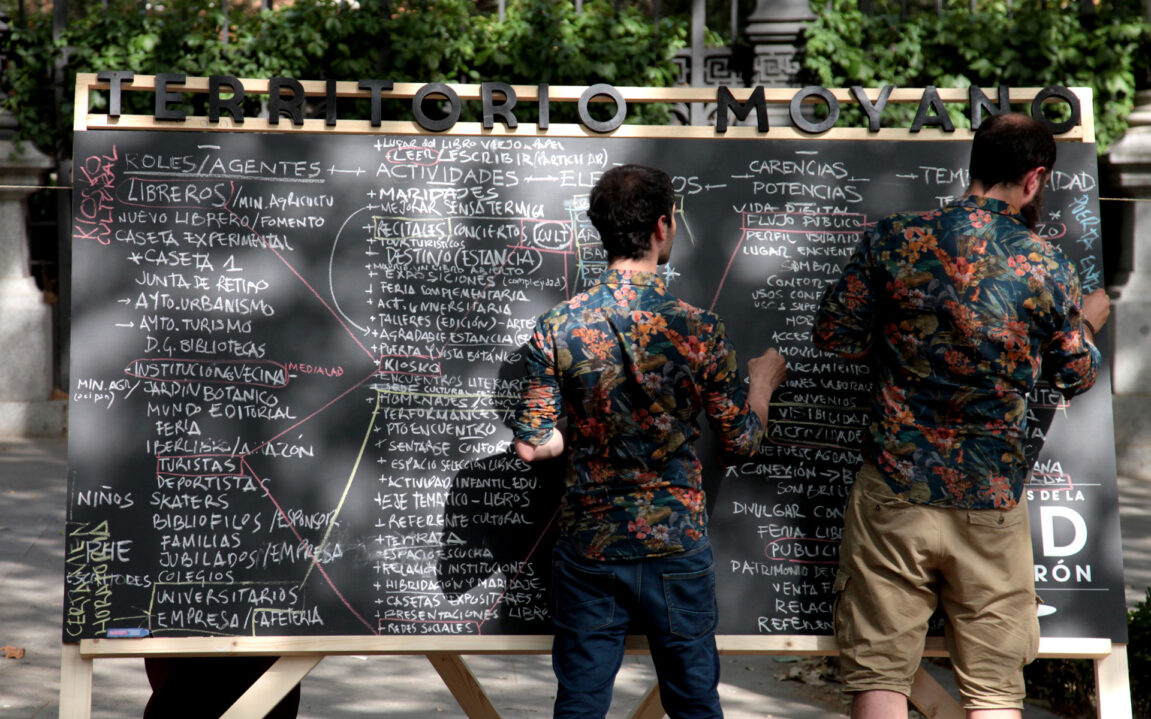
Territorio Moyano revitalizes Madrid’s Cuesta de Moyano as an outdoor cultural and reading space through a co-design process involving citizens and the Administration. It transforms this historic venue into a dynamic, community-driven area for book and culture enthusiasts. With about 70 participants including booksellers, local administration, and cultural agents, it fosters innovation in urbanism and social change. This project exemplifies how public spaces can creatively engage history, future, and sustainability.
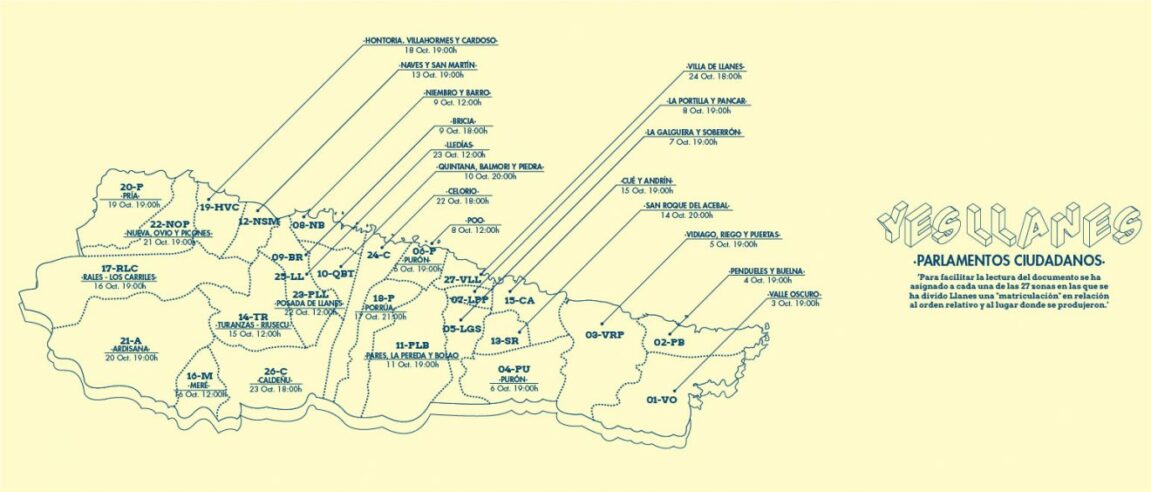
Strategic plan to introduce citizen participation in identifying future challenges for the council of Llanes (Asturias) and to guide the drafting of its new Urban Planning Document through a cycle of parliamentary sessions in the villages, reviving the tradition of communal meetings in the form of public rural councils.