
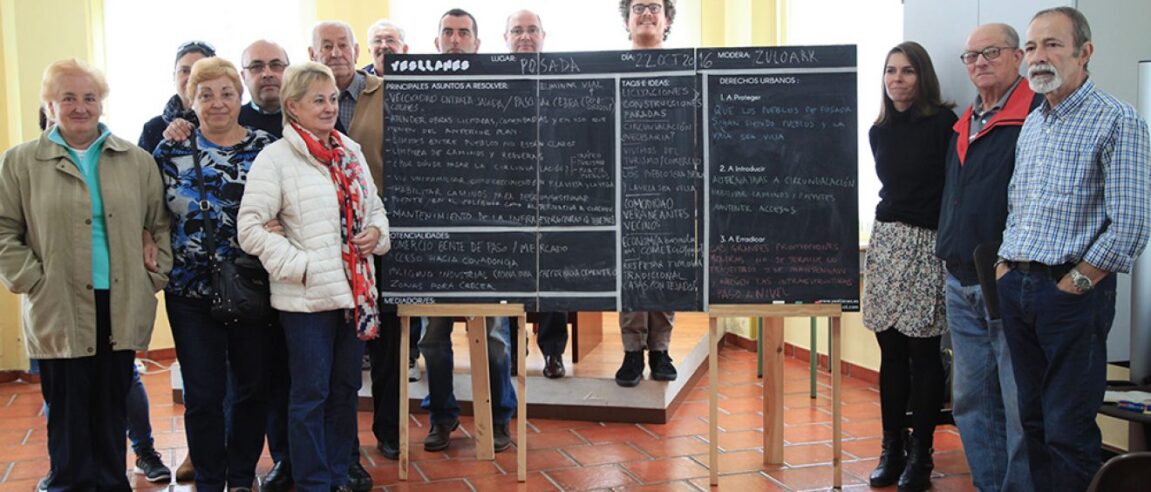
Venue: Centro Cívico de Posada de Llanes
Participants: 21
In the meeting, Posada de Llanes appears as a commercial hub and a place of transit. Its strategic position creates opportunities, but also raises tensions about the kind of growth that should be encouraged.
The debate sits between two forces: on the one hand, continuing to promote its commercial and connective role through new housing and road links; on the other, recognising that current infrastructure is not prepared for summer collapse. The population changes significantly: around 400 people in winter, around 700 at weekends and between 3,000 and 4,000 in summer.
This pressure is compounded by a stock of empty or unfinished homes that remain unsold. For this reason, the session sets out a clear priority: maintain and improve existing infrastructure, complete and sell the homes that were left unfinished, and only then consider new construction.
The conversation also recognises that Posada’s area of influence affects Bricia and Lledías, with which it maintains territorial tensions. This shows that decisions about Posada do not remain within its own boundaries; they alter the balance with nearby villages.
Regarding major infrastructure such as the bypass road, participants proposed looking for alternatives. Such works can involve high costs and attract more traffic to a system that is not currently prepared. The underlying question is how to strengthen Posada without accelerating growth that worsens its problems.
Key ideas
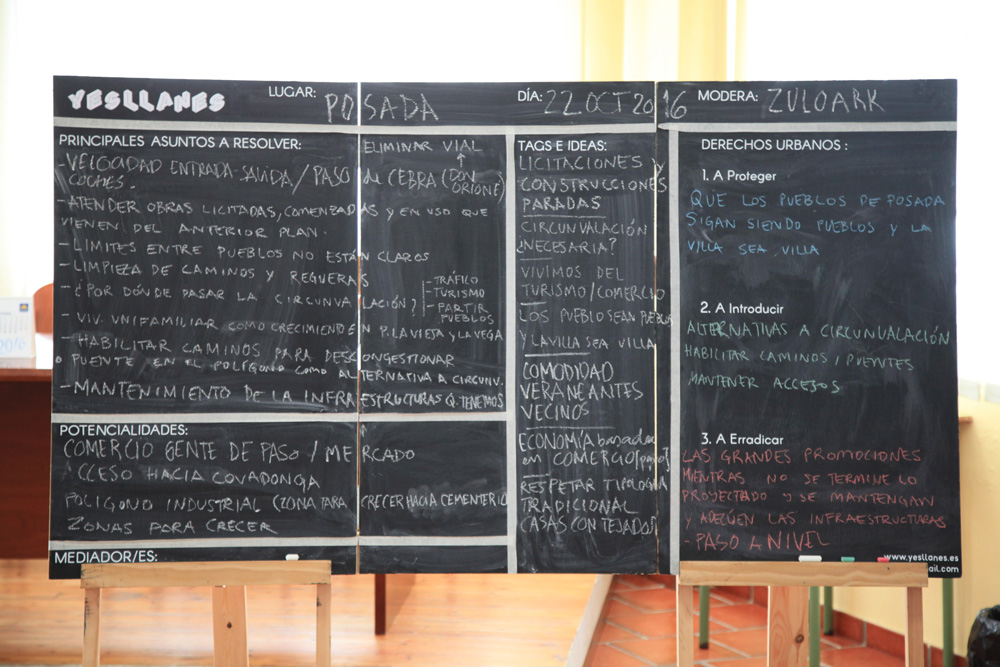
Situation: Posada concentrates commercial activity, transit and seasonal pressure.
Tension: Growth through new housing and road connections is being considered, but existing infrastructure already shows signs of saturation.
Learning: Before building more, unfinished housing should be completed, empty homes activated, and services and infrastructure strengthened.
Return: Review alternatives to the bypass road and coordinate decisions with Bricia and Lledías.
Urban beings and roles
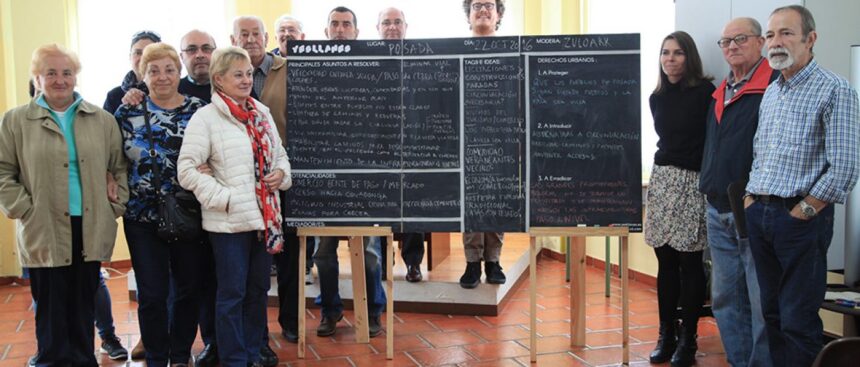
Residents of Posada: contribute experience of saturation, traffic, services and everyday life.
Local commerce: represents Posada’s role as an economic and transit centre.
Owners or people affected by empty or unfinished housing: bring in the debate on pending growth.
Villages in Posada’s area of influence: Bricia and Lledías appear as territories affected by decisions made in Posada.