Naves and San Martín
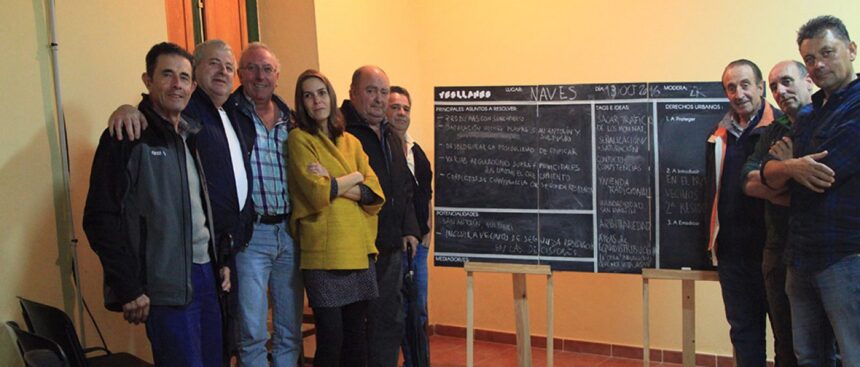
Venue: Casa de Conceyu de Naves, 13 October 2016 · 19:00 h
Participants: 16
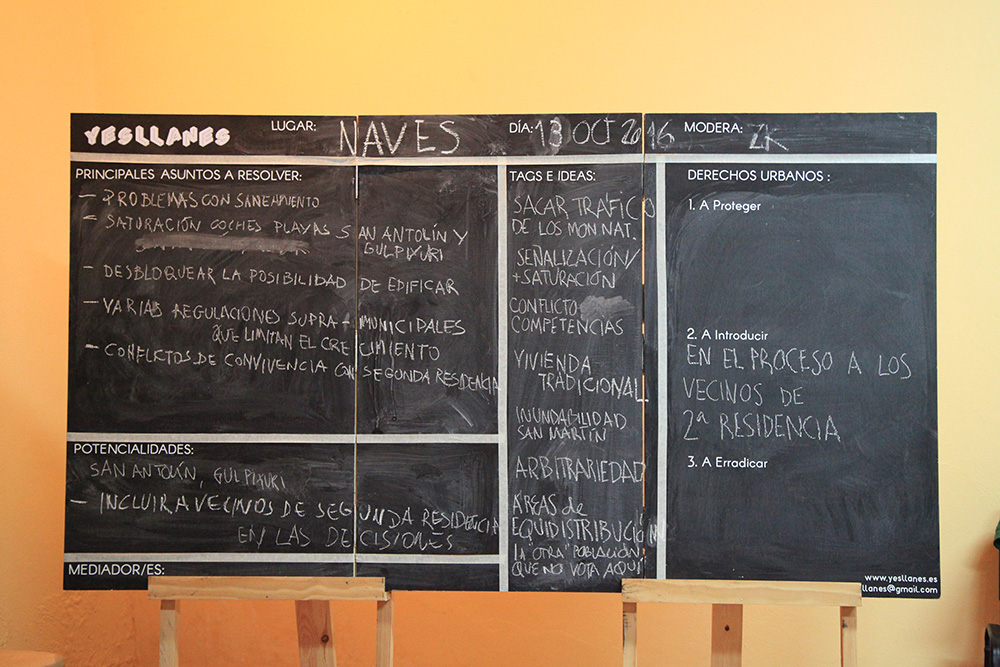
Naves and San Martín are located in an area of strong tourist attraction, marked by San Antolín beach and Gulpiyuri. The session raised the need to unblock the planning situation in order to build again or finish what was already underway.
The demand, however, is not to grow in any way. Participants asked for traditional housing, no land readjustment areas and rules that eliminate the perception of arbitrariness left by previous plans.
In infrastructure, problems of sanitation, service saturation, access and traffic reappear. Tourism pressure requires resources to be better sized without losing village scale.
A particularly interesting element of the session is the proposal to include second-home residents in village decisions. Seasonality should not erase the priority of those who live there year-round, but it does require thinking about how those who are also part of local life at certain times can participate.
Key ideas
Situation: Naves and San Martín combine tourist appeal, planning blockage and pressure on services.
Tension: Unblocking construction may be necessary, but it should not reproduce arbitrariness or disorderly growth.
Learning: Second-home residents can be included in certain local decisions if responsibilities and limits are defined.
Return: Clarify buildability, protect traditional housing and improve sanitation, access and traffic.
Urban beings and roles
Permanent residents: sustain everyday life and demand basic services.
Second-home residents: appear as actors to be included in village decisions.
Visitors to beaches and natural sites: create pressure on access and services.
Planning administration: must unblock situations without arbitrariness.
Rights to introduce
Right to unblock pending planning situations. Works and expectations cannot remain indefinitely paralysed.
Right to clear and non-arbitrary rules. Trust depends on explaining where building is possible and why.
Right to include seasonal residents in defined decisions. Second homes also carry responsibilities towards the village.
Right to services adapted to tourism pressure.
Rights or situations to eradicate
Eradicate perceived arbitrariness in plans. Planning must be understandable and coherent.
Eradicate saturation of access and services. Tourist appeal requires management.
Eradicate construction that ignores typologies. Growth must respect local scale.
Eradicate total exclusion of seasonal actors. Their presence also transforms the territory.
Rights to protect
Protect traditional housing. Built form sustains identity.
Protect the permanent population. It must remain the starting point of planning.
Protect tourist natural resources. San Antolín and Gulpiyuri need careful management.
Protect neighbourhood trust. Without clear rules, the plan is perceived as a threat.