Commons sense: the session redefines common sense as a sense of community, asking how urban life can rebuild local relations in increasingly global cities.
“Commons” Sense [MEDS_Reaction S.5]
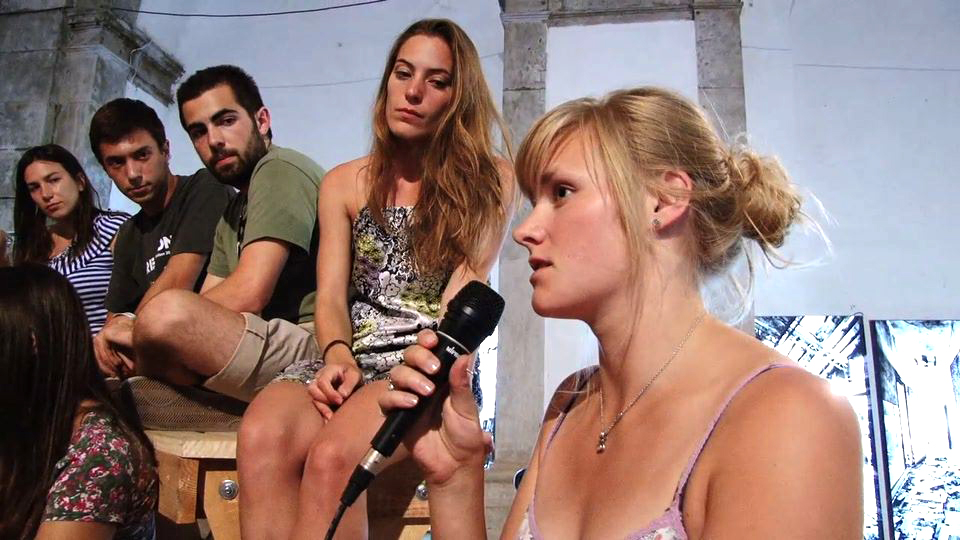
Commons sense: the session redefines common sense as a sense of community, asking how urban life can rebuild local relations in increasingly global cities.
Proposals for the agenda: Include new agents in the process of decision making (architects as a bridge between citizens and local power). There is a certain urgency in building mechanisms of communication amongst the different profiles of inhabitants of the public space. Strategies have to be taught in order to generate proximity between the decision-makers
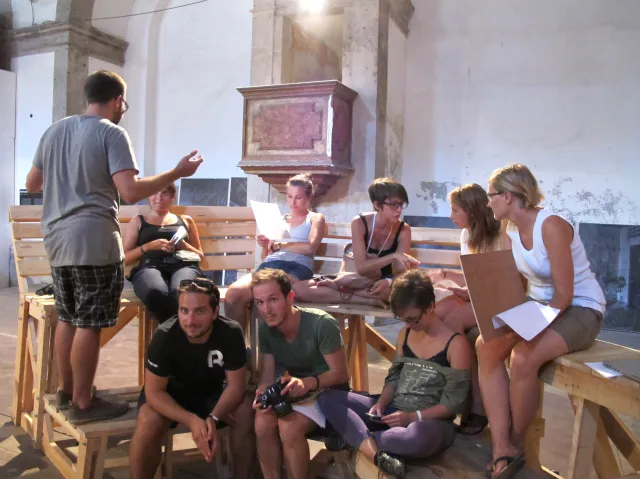
MEDS_Reaction Declaration of Urban Rights: the final session turns the workshop’s debates into a collective list of rights to preserve, introduce and abolish in urban life.
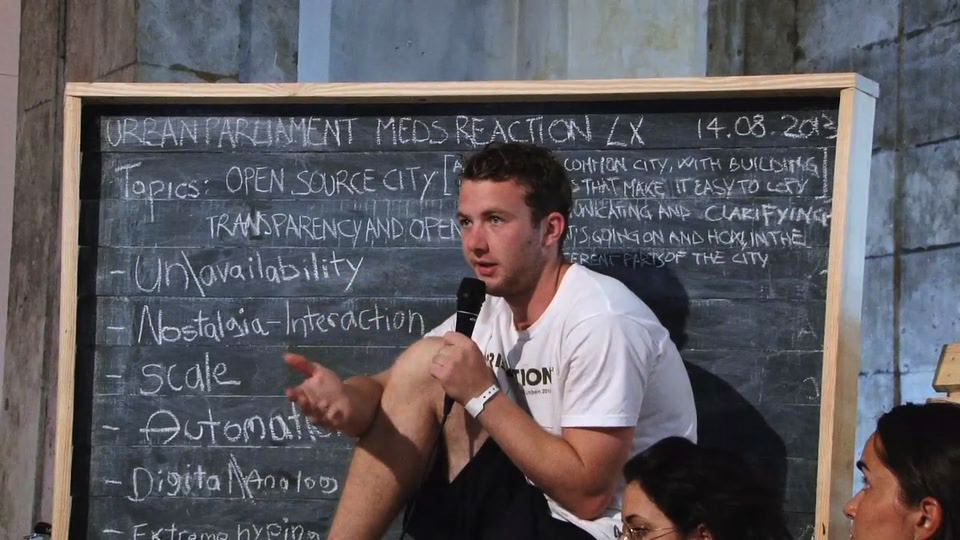
Open source city: the session asks what happens when urban data, designs and decisions become accessible, and why information still needs context, interpretation and local knowledge.
Half-done city: the session asks whether a city can ever be finished, and who gets to decide how unfinished spaces, empty buildings and inherited forms are adapted.
Handmade urbanism: the session asks whether people should build their own city, and what architects must do when self-made urban life needs safety, services and recognition.
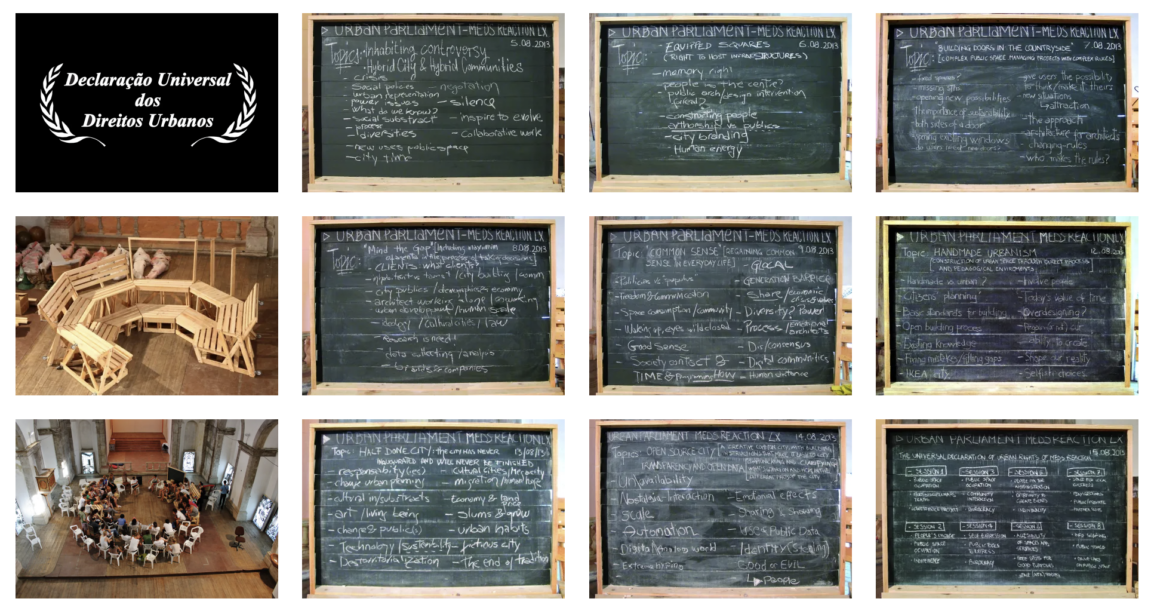
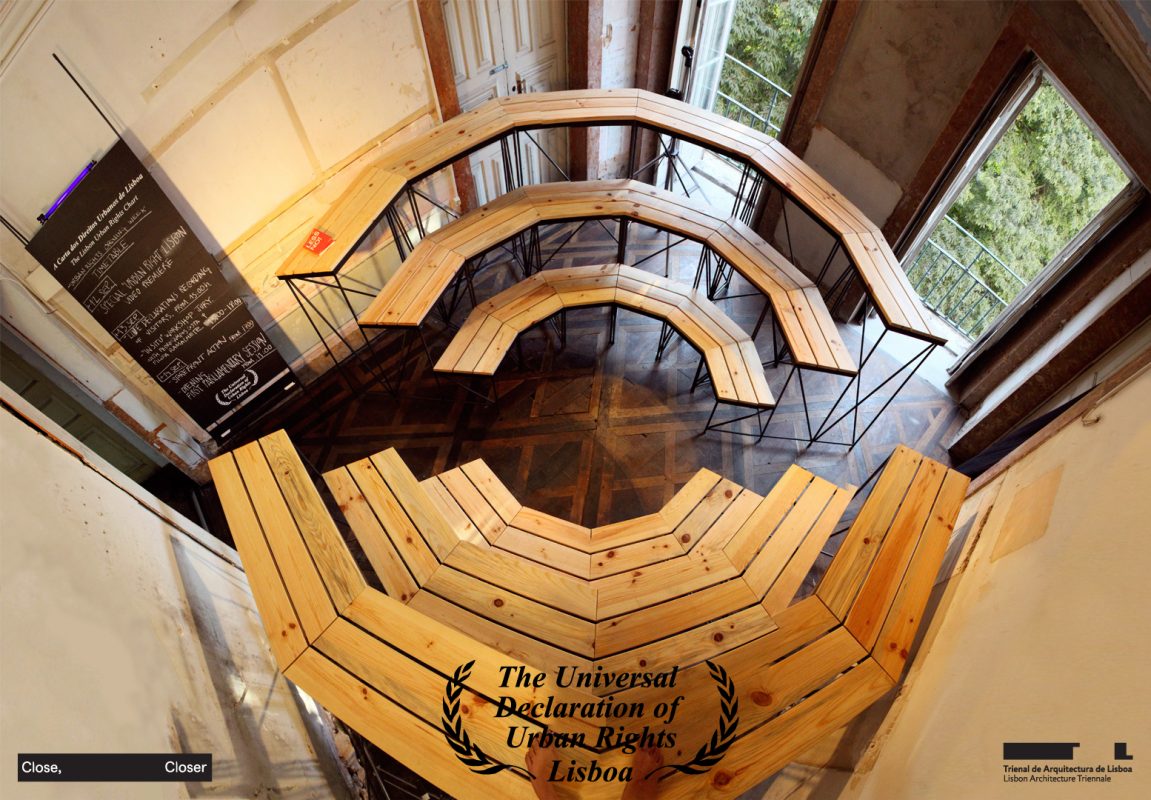
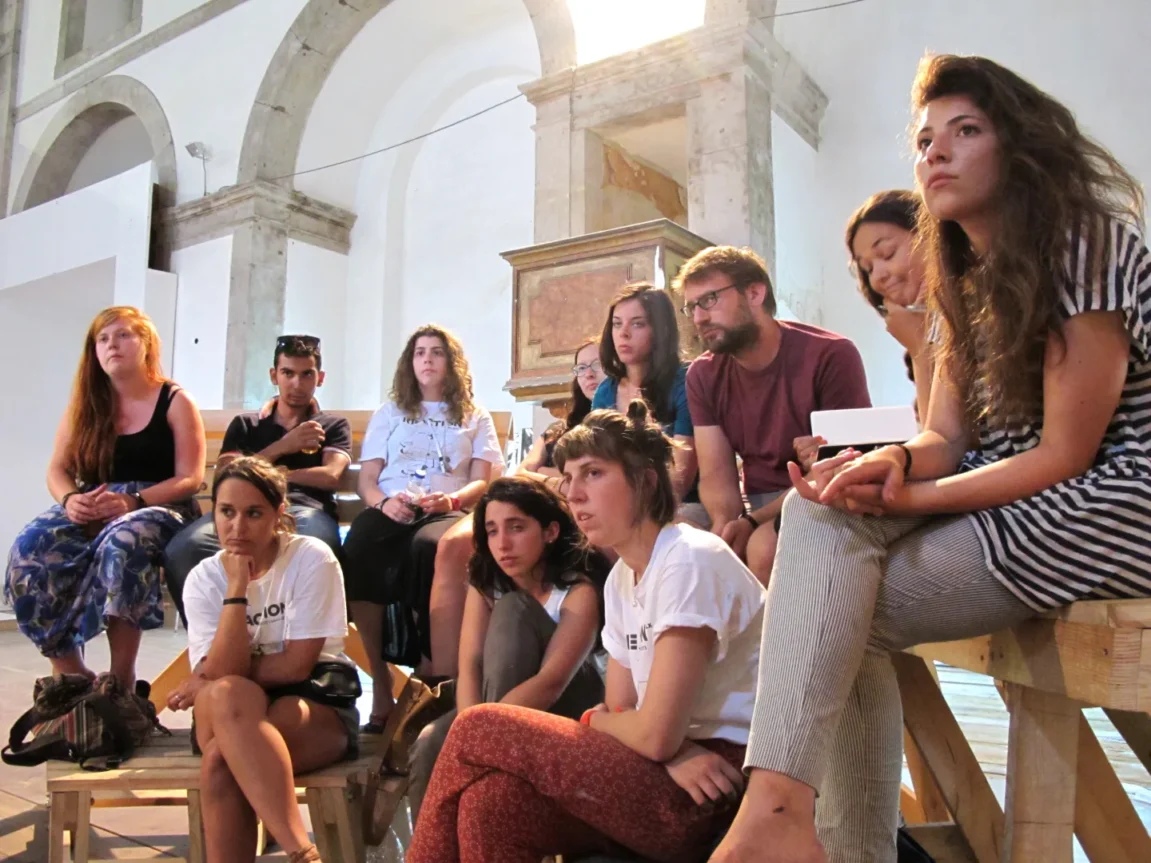
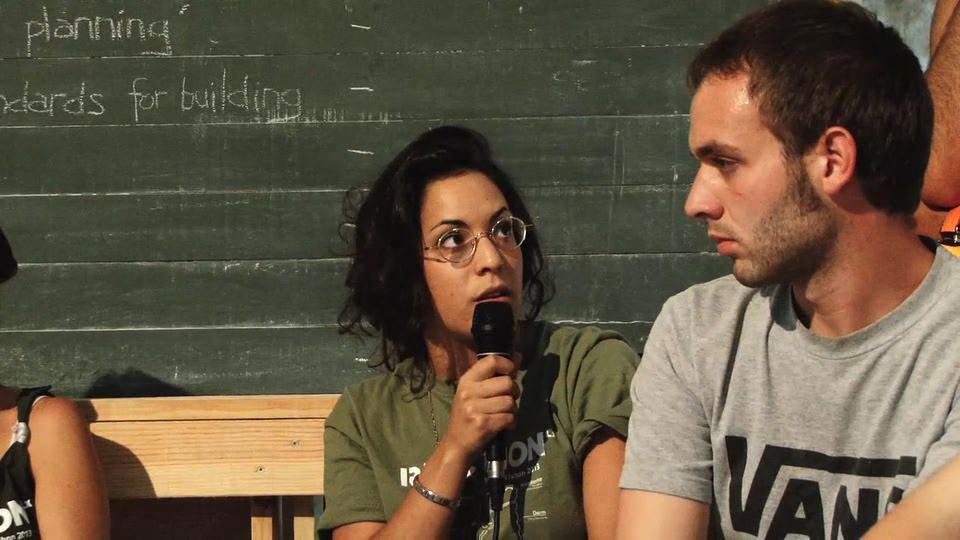
MEDS Reaction LX 2013 used the Urban Parliament as a temporary structure for collective debate, reflection and public learning. During the workshop, participants gathered around a series of thematic sessions to discuss urban space, public life, design practice, community agency and the possible formulation of urban rights. The MEDS Reaction sessions were convened around explicit
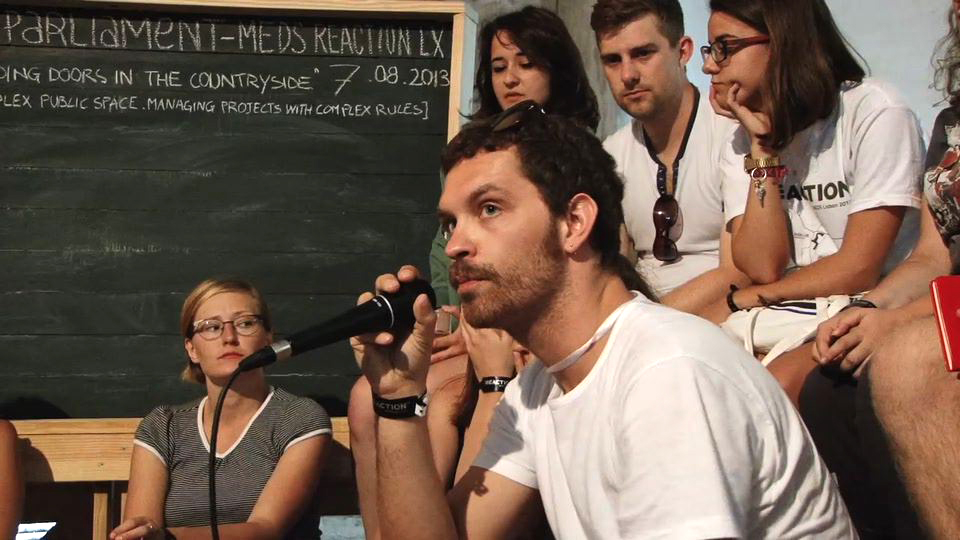
Building doors: the session asks whether design should create objects, open possibilities, or follow the rules that communities make for themselves.
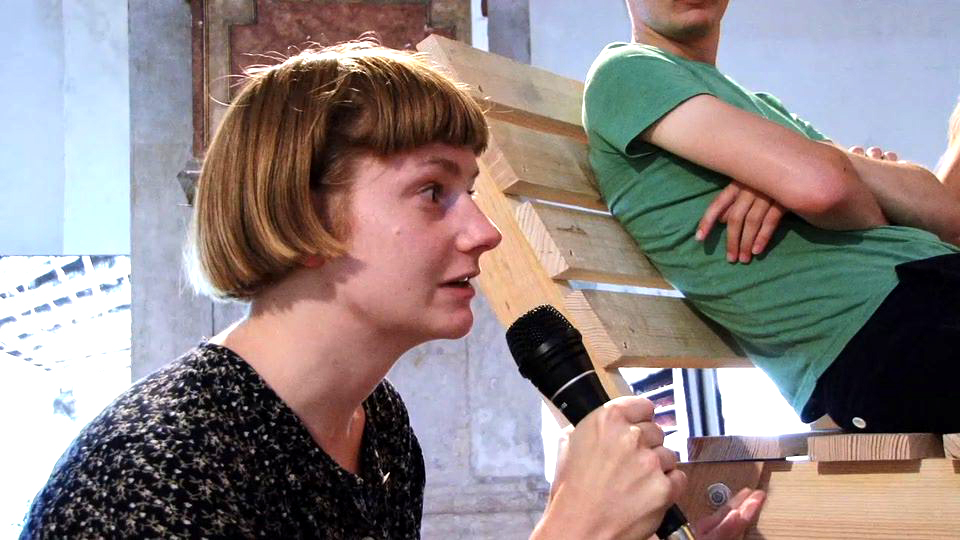
Mind the gap: the session questions who architects should listen to, what questions they should ask, and whether design can serve people without reducing them to clients.
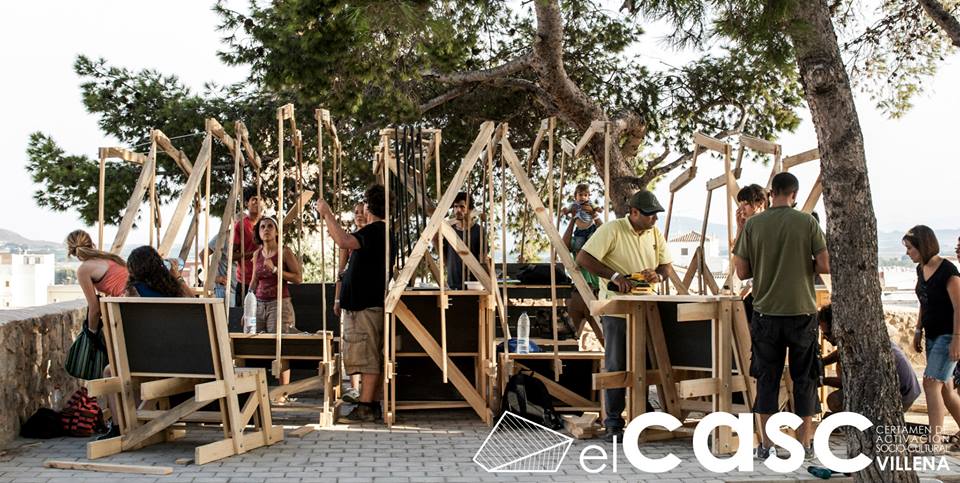
Author: anna buono Graça’s Urban Parliament Construction was a workshop designed with the intention of build up a better understanding of the urban space on the neighborhood of Graça by a hand, and to set an infrastructure that could assist on MEDS Reaction LX 2013 workshop, which was performed at this Lisboan district from Aug 3rd and
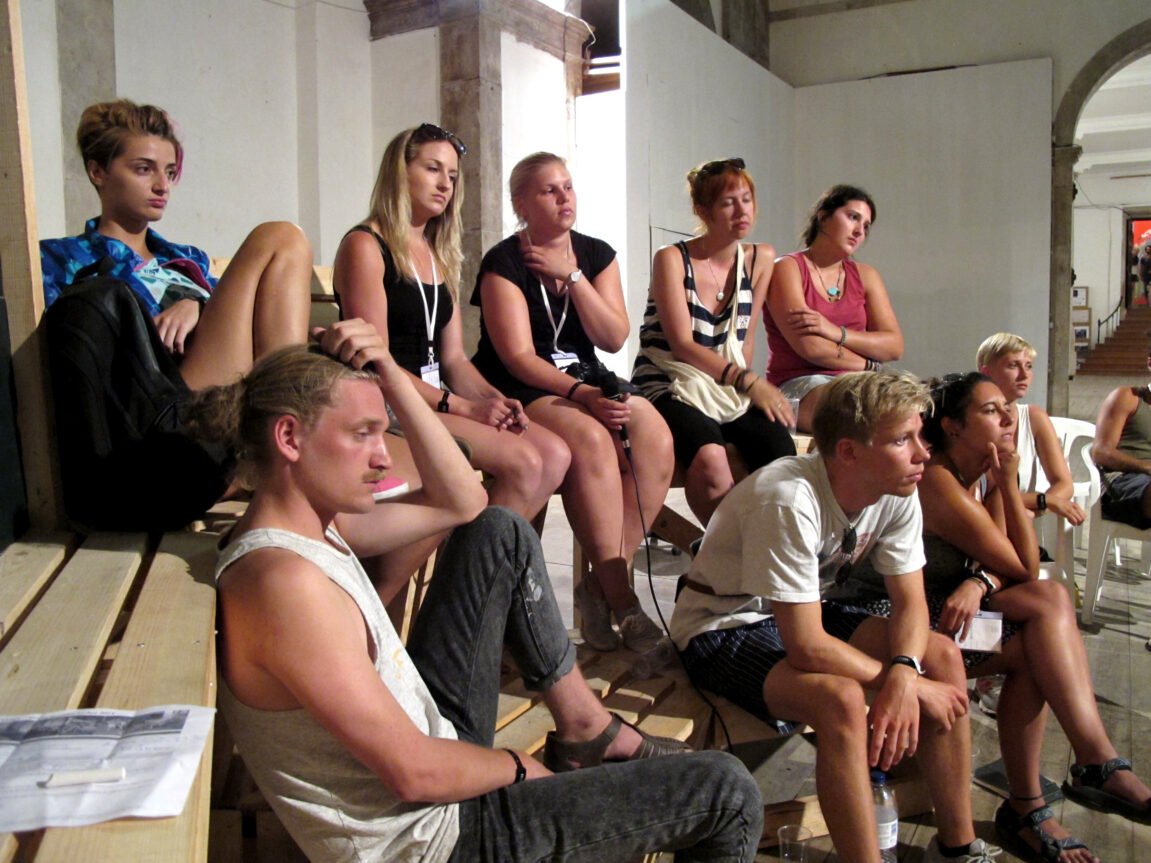
Inhabiting controversy: the session asks how architects, communities and public authorities can negotiate urban conflict without pretending that one solution can serve everyone.
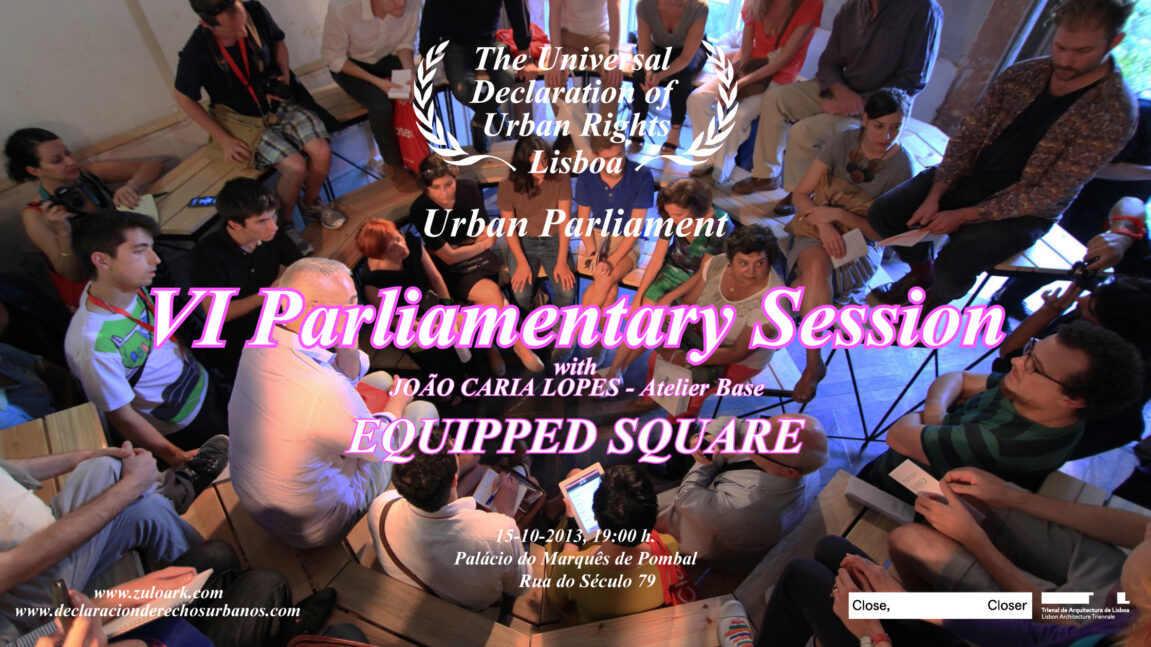
Equipped square: the session moves from asking what objects a square needs to asking who has the right to intervene, occupy and care for public space.