
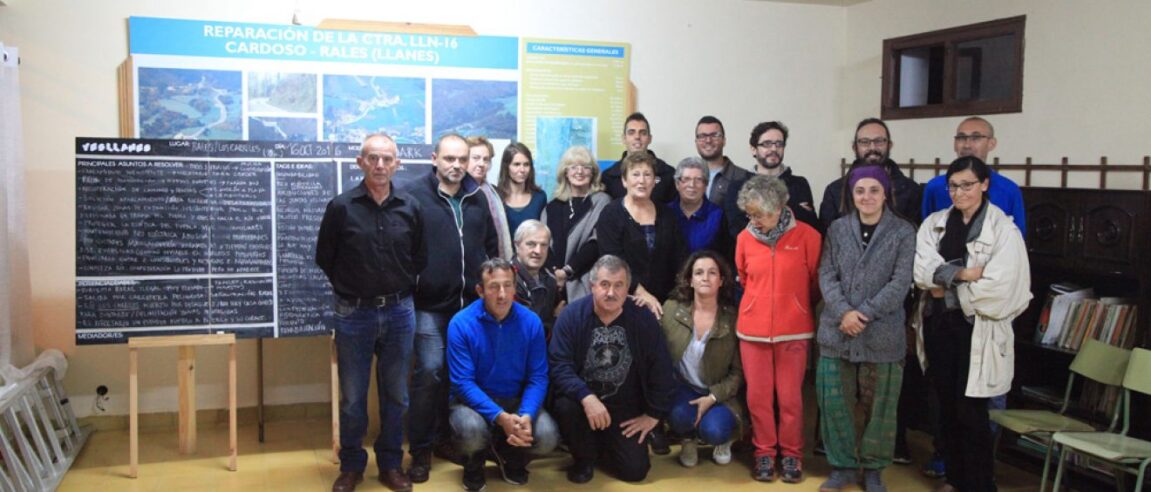
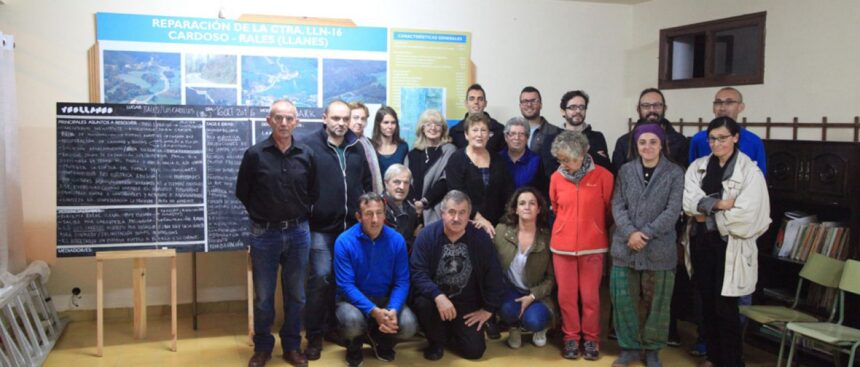
Venue: Casa de Conceyu de Rales, 16 October 2016 19:00
Participants: 33
Villages invited: Rales, Los Carriles, Riensena, Llamigu, Fresneu, Socueva y Priédamu.
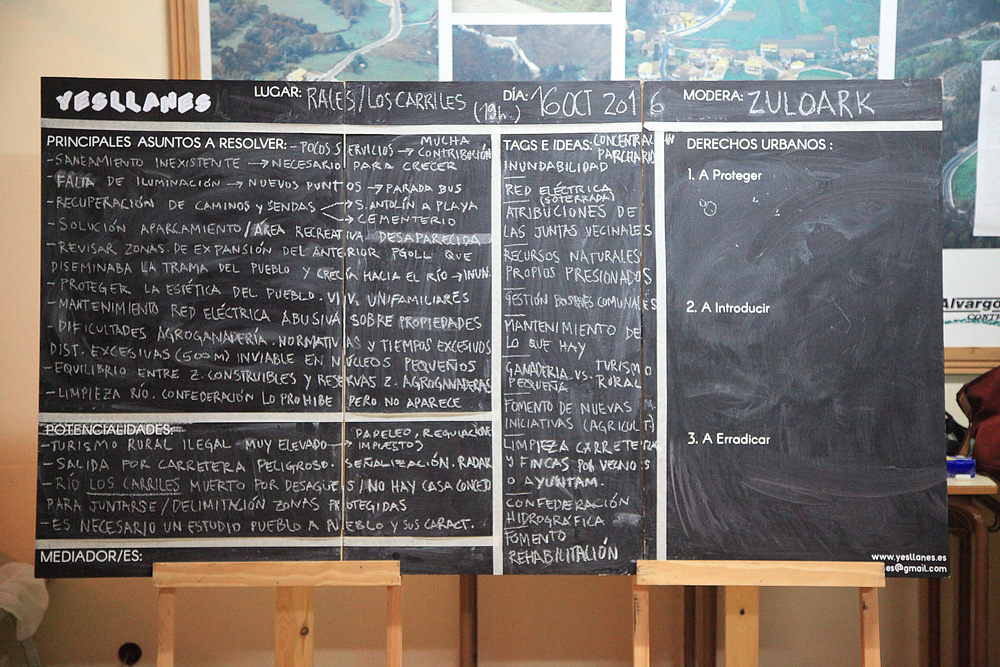
The meeting in Rales and Los Carriles was unusual within the process. The debate focused for a long time on the main issues to be resolved, leaving little room to formulate potentialities or urban rights explicitly.
That intensity reveals an accumulation of very concrete problems: lack of sanitation, wastewater discharge, damaged paths and roads, dirty rivers, deteriorated common spaces, insufficient maintenance, poor signage and payments for services that are not provided.
The underlying demand was to recover decision-making capacity for neighbourhood boards. Participants argued that many residents already have a real commitment to their villages, but need tools, powers and recognition to act more effectively.
The session shows a tension between community commitment and public responsibility. Local care should not replace municipal services, but it can provide a basis for more local, adjusted and shared management.
Key ideas
Situation: The area accumulates deficits in services, maintenance, sanitation, paths and common spaces.
Tension: Residents already care for part of the territory, but lack formal capacity to decide and manage.
Learning: Neighbourhood autonomy can improve management if accompanied by resources, recognition and clear responsibilities.
Return: Study the recovery of action capacity for neighbourhood boards and develop technical diagnoses village by village.
Urban beings and roles
Residents of the invited villages: contribute direct knowledge of everyday problems and local maintenance.
Neighbourhood boards: appear as possible structures for decision-making and shared responsibility.
People involved in caring for paths, plots and rivers: represent an existing community practice.
Municipal administration: must guarantee services and clarify what can be managed locally.
Rights to introduce
- Right to recover neighbourhood decision-making capacity. Local boards can bring management closer to real problems.
- Right to basic services being provided. People should not pay for services that do not arrive.
- Right to technical studies village by village. Each settlement has specific physical conditions and needs.
- Right to fair shared responsibility. Local commitment must be accompanied by resources and powers.
Rights or situations to eradicate
- Eradicate wastewater discharge and lack of sanitation. Rivers and aquifers cannot continue receiving untreated water.
- Eradicate neglect of paths and common spaces. Maintenance cannot depend only on residents’ goodwill.
- Eradicate fiscal ambiguity. Taxes and bills should correspond to real services.
- Eradicate the loss of local capacity. Villages need effective forms of decision-making.
Rights to protect
- Protect neighbourhood autonomy. Where commitment exists, it should be translated into action.
- Protect rivers, paths and common lands. They are environmental and community infrastructure.
- Protect rural life from administrative abandonment. Distance should not mean fewer rights.
- Protect small-scale farming as territorial care. It can generate employment and maintain landscape.